Book Appointment Now



What is glucose and why is it so important for your health?
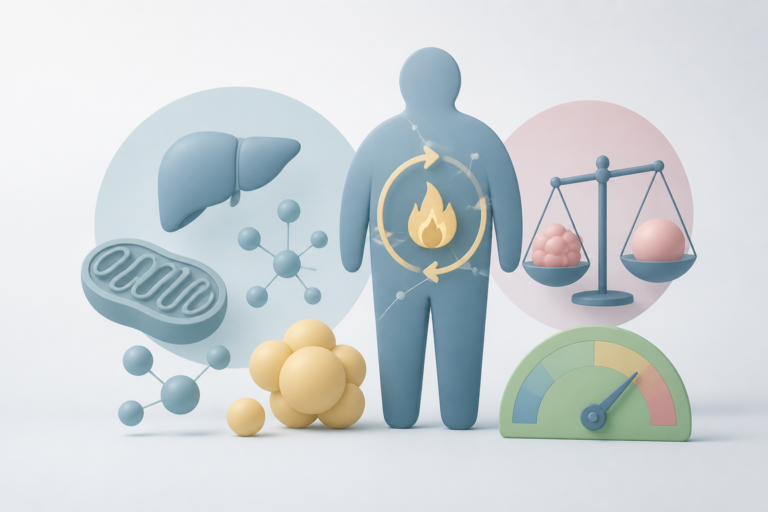
The role of glucose in our body is fundamental, and stable regulation of it is crucial for our overall health and vitality. Many people experience unexplained fatigue, weight fluctuations or concentration problems without making the direct connection to glucose in their blood. Understanding how glucose works not only provides tools for a better energy balance, but is also crucial for managing your weight and preventing various metabolic complaints. Discover how to learn to recognise your body's signals and how small adjustments to your daily routine can make a big difference to your wellbeing.
Table of contents

What is glucose and how does it act as fuel?
Glucose is a simple sugar, a carbohydrate, and functions as the primary energy source for the cells in your body. You obtain glucose mainly through your diet, with carbohydrates in food being broken down into this sugar form. From the intestines, the glucose is absorbed into the bloodstream, after which it is transported through the blood to all tissues and organs. This process is crucial for maintaining vital bodily functions. A stable supply of glucose is therefore crucial for your overall wellbeing.
Efficient glucose processing for brain function and cognition
For example, the brain is largely dependent on a constant supply of glucose for its functioning. Without sufficient glucose, brain cells cannot work optimally, which can affect your concentration, memory and cognitive abilities. Therefore, efficient glucose processing is of great importance for maintaining healthy brain function and for feeling mentally sharp. The body has mechanisms to regulate the glucose concentration in the blood so that it remains within healthy limits for optimal brain activity.
How do insulin and glucose work together in your body?
Glucose, a type of sugar, is the primary source of energy for the cells in your body and plays a crucial role in your overall health. You obtain glucose through the food you eat, particularly carbohydrates. Once you digest food, glucose is absorbed into your bloodstream, after which it circulates throughout the body. It is vitally important that your blood sugar level remains within certain limits, as both excessively high and excessively low glucose concentrations can have adverse effects on various bodily functions. A stable supply of glucose ensures that your organs, muscles, and brain can function optimally. The balance of glucose in your blood is therefore of great importance to your vitality.
Insulin as a transporter and the consequences of imbalance
When your blood glucose rises after a meal, your pancreas responds by releasing insulin. This allows glucose to be converted into energy or stored for later use, for example in the liver and muscles in the form of glycogen. Proper functioning of insulin is therefore crucial for a healthy metabolism. If this mechanism becomes disrupted, for example through insulin resistance, it can lead to elevated blood sugar levels and ultimately to conditions such as diabetes. Tailored lifestyle coaching can support you in maintaining a healthy glucose balance.
What are the normal blood glucose levels in 2026?
In 2026, the guidelines for blood glucose levels, which are crucial for your overall health, remain unchanged. A healthy blood glucose level is of great importance for the optimal energy supply to your cells and for preventing long-term complications. It is important to understand that the term ‘normal’ can vary depending on the time of measurement, for example fasting or after a meal. The Dutch Diabetes Fund emphasises that 1.2 million people in the Netherlands have diabetes, which underlines the importance of monitoring your glucose. Maintaining stable glucose levels contributes to your vitality and well-being, and helps to reduce the risk of conditions.
Optimal postprandial values for metabolic flexibility
To support your vitality and stimulate sustainable behavioural change, it is valuable to have a good insight into your blood glucose. The lifestyle coaching provided by IKARIA Clinics focuses on this, with a focus on sustainable adjustments that you can implement yourself. By gaining insight into how diet and exercise affect your glucose, you can actively contribute to maintaining healthy blood glucose levels. This insight not only helps you to keep your energy levels up, but also to recognise and address potential health risks in good time. It is a proactive approach to your health, where you take control of your own well-being.
Chemically speaking, what does this molecule consist of?
Glucose, a fundamental molecule for the human body, is chemically a carbohydrate, more specifically a monosaccharide, or simple sugar. The molecule has the chemical formula C₆H₁₂O₆, which means it is made up of six carbon atoms, twelve hydrogen atoms and six oxygen atoms. This specific configuration makes glucose an aldehyde sugar, also known as an aldohexose, and it is the primary source of energy for our cells. The structure of glucose, with its ring form in biological systems, is crucial for its function, allowing it to be efficiently absorbed and metabolised in the body.
Influence of molecular structure on metabolic processes
The molecular structure of glucose has a direct influence on the metabolic processes in the body. When you eat carbohydrates, such as starch or sucrose, these are broken down into smaller sugars, including glucose. This glucose is subsequently transported via the bloodstream to the cells. There it serves as fuel for various cellular functions, such as muscle contraction and brain activity. The ability of glucose to be rapidly absorbed and converted into energy is due to its simple chemical composition. The Endocrinology department of the LUMC deals, among other things, with metabolic diseases such as complex diabetes, in which the regulation of glucose in the body is disrupted Endocrinology Department.
How do you measure your blood sugar correctly?
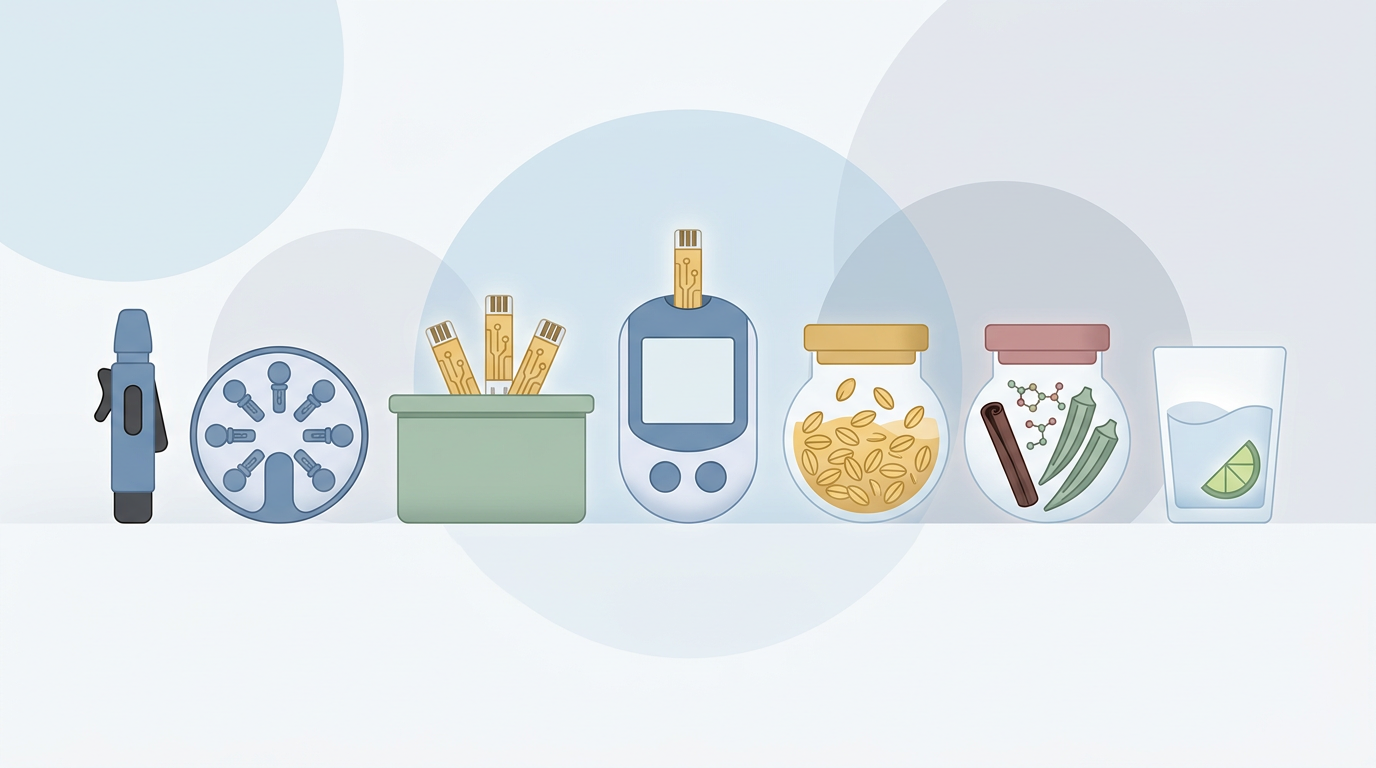
Accurately measuring blood sugar levels is a fundamental step in managing your metabolic health. The most common method for this is using a blood glucose meter, whereby a small drop of blood, usually taken from the fingertip, is analysed. These meters provide a snapshot of the amount of glucose in your blood. Although this is an effective way to monitor the acute impact of meals or physical activity on glucose, it does not provide a complete picture of blood sugar fluctuations throughout the day. For a more comprehensive insight into glucose levels over a longer period, continuous glucose monitoring (CGM) can offer a solution, a technique that is increasingly being applied.
Data interpretation for proactive lifestyle choices
Data interpretation for proactive lifestyle choices is of great importance once you have measured your glucose levels. It is not just about knowing the numbers, but above all about understanding what they mean for your specific situation. At IKARIA Clinics, for example, modern GLP-1 agonists are used in combination with medical supervision and lifestyle coaching, with the measured glucose values serving as a guide for personal adjustments. By linking the measurement data to your diet, exercise and sleep, you can discover patterns and make well-considered choices that promote your overall well-being. This enables you to proactively adjust your lifestyle and thereby achieve a more stable glucose balance.
Why is a stable mirror crucial for weight loss?
A balanced blood sugar level is of fundamental importance to anyone striving for weight management. When your blood glucose levels constantly fluctuate, this can lead to intense cravings and increased fat storage, which makes slimming down more difficult. Rapid peaks and troughs in glucose concentration, often caused by the consumption of refined carbohydrates and sugars, activate the body's insulin response. Insulin is a hormone that not only transports glucose to the cells, but also promotes the storage of fat. A continually high insulin level can therefore counteract weight loss and even lead to weight gain. It is therefore important to understand how glucose affects your weight.
Metabolic flexibility for efficient fat burning
Metabolic flexibility, the body's ability to switch efficiently between burning glucose and fat as an energy source, plays a key role in successful weight loss. A stable glucose balance contributes to this flexibility, meaning your body is not solely dependent on glucose for energy. When your blood sugar levels are stable, the need for constant insulin production decreases, giving your body the opportunity to tap into stored fats for energy. This process is fundamental to fat burning and contributes to sustainable weight loss. Hormonal optimisation can be a supportive factor here, especially for women, to harmonise metabolic processes and facilitate the weight-loss process.
What are the consequences if blood glucose remains too high?
When the concentration of glucose in the blood remains elevated for a prolonged period, which is known as hyperglycaemia, this can have significant negative effects on health. A continuously high glucose load can damage blood vessels and organs, ultimately leading to serious complications. The Diabetes Fund reported in 2026 that 1.2 million people in the Netherlands have diabetes, a condition that is often accompanied by chronically elevated glucose levels and causes a wide range of health problems, such as cardiovascular disease, kidney failure and nerve damage. Diabetes UK. It is therefore of great importance to keep glucose levels within a healthy range to prevent these long-term consequences.
Hyperglycaemia: glycation as a cause of organ damage
One of the mechanisms by which chronically elevated glucose causes damage is glycation. This process involves glucose binding to proteins and fats in the body, forming Advanced Glycation End products (AGEs). These AGEs accumulate in tissues and contribute to the stiffening of blood vessels and damage to organs such as the kidneys and eyes. Glycation plays a major role in the development of complications associated with diabetes, such as neuropathy and retinopathy. It is a progressive process that over time can impair the functionality of various tissues and organs, thereby contributing to a reduced quality of life.
What factors directly affect your glucose?
Carbohydrates from your meals are broken down into glucose, which subsequently enters your bloodstream. The speed and extent to which this happens depends on the type of carbohydrate and the presence of fibre, proteins and fats. Fast sugars, such as those in soft drinks or sweets, lead to a rapid rise in glucose, whereas complex carbohydrates, such as those in wholemeal products, provide a more gradual release. The timing of meals also has an effect, as the body then receives “fuel” at regular intervals.
Sleep and exercise: crucial influence on glucose control
Alongside nutrition, your lifestyle—including sleep and exercise—has a significant influence on your glucose levels. Adequate and quality sleep is of great importance, because sleep deprivation can lead to reduced sensitivity to insulin, the hormone that transports glucose from the blood to the cells. Regular physical activity, whether walking, cycling or working out, improves the uptake of glucose by the muscles and contributes to a more stable blood sugar level. These adjustments to your daily routine are crucial for maintaining a healthy glucose metabolism and can significantly lower the risk of conditions such as type 2 diabetes, as the Diabetes Fund emphasises in their work to prevention.
How do you recognise a lack of energy in your cells?
A lack of energy in your cells, often related to an imbalance in glucose metabolism, can manifest itself in various ways. For example, you might feel constantly tired, even after getting enough sleep, or have trouble concentrating. These symptoms are not just a sign of fatigue, but can indicate a reduced efficiency of the cells in converting glucose, their primary fuel, into usable energy. This can lead to a general sense of malaise and impaired functioning in daily life. It is important to take these signals seriously, as they can be an indication of underlying metabolic processes that require attention.
Physical signs of inefficient glucose processing
Physical signs of inefficient glucose processing often manifest through unexplained weight changes, such as difficulty losing weight despite a modified lifestyle or, conversely, unintentional weight loss. Mood swings, irritability and an increased craving for sweets may also point to fluctuations in blood sugar levels. In addition, frequent urination, especially at night, and constant thirst are possible indications that the body is struggling to process excess glucose. These symptoms, although they may seem harmless individually, form a pattern that can indicate inefficient energy supply at the cellular level and a disruption of the glucose balance. Recognising these signals is a first step towards better health.
How do you keep your metabolic balance healthy in the long term?
A healthy metabolic balance is essential for your overall well-being and vitality, and managing your glucose is an important factor in this. This means aiming for a stable blood sugar level, without major peaks or troughs. Although the term “glucose” is often associated with diabetes, it is crucial for everyone to keep an eye on these levels. A stable glucose balance not only supports your energy levels throughout the day, but also helps to reduce the likelihood of chronic conditions in the long term. By making conscious choices in your daily routine, you can support your body in processing glucose efficiently and thus contribute to resilient health.
IKARIA's guidance for complementary lifestyle factors
Maintaining a healthy metabolic balance requires an integrated approach, paying attention to various lifestyle factors. This includes a balanced diet with sufficient fibre and unprocessed products, regular exercise that helps with glucose uptake by the muscles, and adequate, quality sleep. Stress management is also important, as stress hormones can affect blood sugar. By consistently applying these elements, you create an environment in which your body can function optimally and glucose levels remain balanced, contributing to a sustainably healthy lifestyle and the prevention of metabolic disorders such as diabetes, a condition which, according to the Diabetes UK affects 1.2 million Dutch people.

Conclusion glucose
You have now gained a deep understanding of the crucial role of glucose as an energy source and its complex regulation in your body, with insulin as the key hormone. Monitoring your blood glucose levels, whether via a blood glucose meter or with continuous glucose monitoring (CGM), provides you with valuable information about your metabolic health. A stable blood sugar level is not only important for your energy levels and concentration, but also indispensable for effective weight management. Understanding these processes enables you to take proactive steps. Should you have any further questions about how to optimally regulate your glucose and improve your vitality, IKARIA Clinics is ready to provide you with reliable information and personal guidance.
Frequently asked questions
What is glucose and why is it important for my body?
Glucose is a simple sugar and the primary energy source for the cells in your body. You obtain it through carbohydrates in your diet, after which it is absorbed into the bloodstream to fuel your body.
How do insulin and glucose work together in my body?
Insulin helps transport glucose from the bloodstream into the cells, where it is used as energy. This cooperation is crucial for maintaining a stable blood sugar level and overall energy supply.
What are the normal blood glucose levels that I should look out for?
Normal blood glucose levels will remain unchanged in 2026 and are crucial for optimal energy supply and the prevention of long-term complications. Specific values vary by situation, such as fasting or after a meal.
What is the chemical composition of the glucose molecule?
Chemically, glucose is a monosaccharide, or simple sugar, with the formula C₆H₁₂O₆. The molecule is composed of six carbon, twelve hydrogen and six oxygen atoms, which form a ring structure.
How do I measure my blood sugar correctly?
You measure your blood sugar accurately with a blood glucose meter. To do this, you apply a small drop of blood, usually from your fingertip, to a test strip which the meter then analyses to determine your current blood sugar level.
Why is a stable blood sugar level crucial if I want to lose weight?
A stable blood sugar level is crucial for weight loss because fluctuations can lead to intense cravings and increased fat storage. Large peaks and troughs in glucose hinder weight loss and can stimulate appetite.