Book Appointment Now



What is a cortisol belly and how does belly fat form due to stress?
Many people today experience an unexplained increase in belly fat despite a relatively healthy lifestyle. This phenomenon, often referred to as a cortisol belly, can be frustrating and may indicate an underlying hormonal imbalance. Chronic stress, a constant factor in our modern society, plays a crucial role in this. It is more than just a cosmetic issue; it is a signal from the body that something is wrong with the internal processes. Understanding the complex interplay between stress hormones and fat storage is essential to understand this and effectively address it. In this article, we explain how prolonged stress specifically affects belly fat and which mechanisms play a role in this.
Table of contents

What is a cortisol belly and how do you recognize it?
A cortisol belly refers to the accumulation of visceral fat, the fat that resides deep within the abdominal cavity around the organs and is often associated with prolonged stress. This type of belly fat does not just appear by itself; it is often the result of increased and persistent production of the stress hormone cortisol. When your body is under prolonged stress, it produces more cortisol, which can stimulate the storage of fat, particularly in the abdominal region.
The frustration and additional complaints with a cortisol belly
The frustration associated with a cortisol belly is often great, as traditional methods for weight loss, such as diets and more exercise, sometimes appear less effective. Despite efforts, it is often not possible to get rid of this specific belly fat, which can lead to despair. In addition to the visible fat accumulation, people with a cortisol belly often experience additional symptoms such as persistent fatigue, sleep problems, mood swings, and reduced resistance. These symptoms reinforce each other and can form a vicious cycle. It is important to understand that these symptoms are not only physical but also significantly affect your overall well-being and vitality.
How does chronic stress cause visceral abdominal fat?
Chronic stress activates the adrenal glands to produce more of the hormone cortisol, a natural body response to perceived danger. Although this response is necessary for survival in the short term, long-term elevated cortisol levels can lead to a buildup of visceral abdominal fat. This type of fat, which lies deep in the abdominal cavity around the organs, is metabolically more active and more harmful than subcutaneous fat. The body responds to persistent stress by storing energy, often in the form of this abdominal fat, in preparation for a prolonged period of scarcity or exertion, which contributes to the formation of a cortisol belly.
The vicious cycle of cortisol, appetite, and delayed metabolism
This increase in visceral fat due to chronic stress can set off a vicious cycle. Elevated cortisol levels not only affect fat storage, but can also stimulate appetite, especially for foods high in sugar and fat. At the same time, cortisol can slow down metabolism, making the body less efficient at burning calories and storing more of them. This mechanism makes it even more difficult for people with persistent stress to lose weight, especially around the abdomen. IKARIA Clinics Emphasizes the importance of a medically-based approach to understanding and effectively addressing these hormonal mechanisms.
What is the role of insulin in stress-related fat?
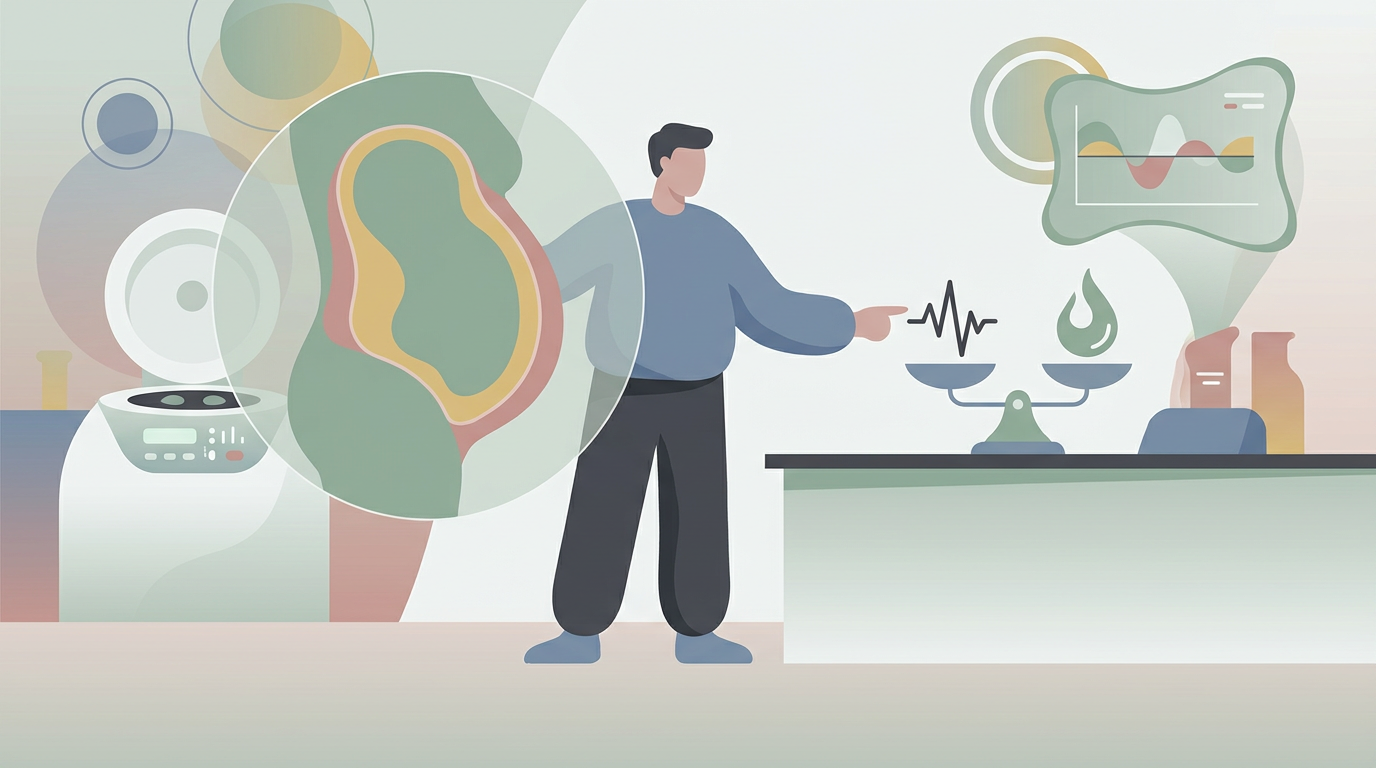
When your body is under prolonged stress, it produces more cortisol. This stress hormone has a complex interaction with insulin, a hormone that regulates blood sugar levels. An elevated cortisol level can lead to insulin resistance, meaning your body responds less well to insulin. As a result, the pancreas has to produce more insulin to maintain stable blood sugar levels. These higher insulin levels promote fat storage, particularly around the abdomen. This mechanism significantly contributes to the development of a cortisol belly, with understanding of these complex hormonal processes being central.
Fat cell differentiation and fat displacement by cortisol
The interaction between cortisol and insulin also affects the differentiation of fat cells and the movement of fat in the body. High insulin levels, stimulated by chronic stress and elevated cortisol, can accelerate the growth and maturation of pre-adipocytes into mature fat cells. Moreover, this hormonal imbalance leads to fat being preferentially stored in the abdominal region, specifically as visceral fat. This type of fat, which is located around the organs, is metabolically more active and is associated with various health risks. Understanding these processes is fundamental to tackling a cortisol belly.
How is visceral fat different from subcutaneous fat tissue?
Visceral fat and subcutaneous fat are both forms of fat in the body, but they differ significantly in location and effects on health. Subcutaneous fat is located directly under the skin, for example on your hips or thighs, and is visible and palpable. This type of fat serves as energy storage and insulation, and is to a limited extent less harmful to health. Visceral fat, on the other hand, is located deeper in the abdominal cavity, around your organs such as the liver, pancreas, and intestines. This makes it more difficult to see or feel, but it is precisely this type of fat that is often associated with the term “cortisol belly” and carries significant health risks.
The higher metabolic activity of visceral fat
A crucial difference between these two types of fat lies in their metabolic activity. Visceral fat is much more active than subcutaneous fat and produces various hormones and inflammatory substances. These substances affect blood sugar regulation, blood pressure, and cholesterol levels and can lead to an increased risk of chronic conditions such as type 2 diabetes and cardiovascular diseases. The presence of a lot of visceral fat, as in a cortisol belly, often indicates a disruption in the hormonal system, which goes beyond just cosmetic concerns and requires a deeper understanding of your metabolic health. These underlying mechanisms therefore deserve serious attention.
What effect does cortisol have on your fat distribution?
Cortisol, a hormone that your adrenal glands produce in response to stress, has a direct and significant impact on how your body stores and distributes fat. When you are under prolonged stress, the levels of this hormone remain elevated. This stimulates your body to store energy, primarily in the form of fat, and preferentially sends it to the abdominal region. This shift in fat distribution is an evolutionary mechanism intended to provide rapid access to energy reserves in times of scarcity or danger. In modern society, however, chronic stress leads to a buildup of abdominal fat rather than a benefit.
Cortisol receptors and abdominal fat storage
This preference for abdominal fat storage, which often results in a cortisol belly, is partly due to the higher density of cortisol receptors in the fat cells around the organs. When cortisol binds to these receptors, it promotes the growth and differentiation of fat cells in this specific area. This means that even at a constant weight, the ratio between abdominal fat and fat in other parts of the body can change. This mechanism underscores why stress management is so crucial for maintaining a healthy fat distribution and preventing the adverse effects of excess abdominal fat.
Why does the body store fat around the organs?
The storage of fat around the organs, known as visceral fat, is a complex biological process that is influenced by various factors, including hormonal signals and metabolic processes. When stress persists in your body, you produce more of the stress hormone, which stimulates the fat cells in the abdominal area. This specific type of fat storage serves as a quick energy source for the body in times of perceived danger or scarcity.
It is an evolutionary mechanism that enabled us to survive in challenging conditions. In the modern world, however, where chronic stress is more common than acute scarcity, this can lead to unwanted accumulations and health risks.
Evolutionary advantages versus modern health problems
This specific fat storage around the organs, such as in a cortisol belly, has an evolutionary origin that now clashes with the modern lifestyle. In the past, the body’s ability to quickly store energy as visceral fat was a crucial survival mechanism during periods of scarcity. It provided an efficient fuel reserve that could be quickly mobilized. Nowadays, however, many people experience chronic psychological stress without the associated physical exhaustion or food shortages. This continuous signal of ‘danger’ activates the fat storage around the organs, leading to an excess of this metabolically active fat. This earlier evolutionary advantage thus transforms into a contemporary health problem, with potential consequences for metabolic health.
When is a cortisol belly medically relevant?
A cortisol belly becomes medically relevant when the extent of abdominal fat, particularly the deeper-lying fat, is accompanied by health risks and underlying hormonal imbalances. Although the presence of abdominal fat can also result from, for example, dietary habits and hereditary predispositions, the specific accumulation caused by elevated cortisol levels is an indication of a dysfunctional system. It is no longer a cosmetic problem, but a signal that the body requires attention. This situation requires a thorough analysis to determine the cause, prevent further complications, and work towards targeted recovery and vitality.
Increased risk due to excess abdominal fat
Excess abdominal fat, particularly the type stimulated by stress hormones, increases the risk of insulin resistance, which can be a precursor to type 2 diabetes. Additionally, this type of fat is associated with an increased risk of cardiovascular diseases such as high blood pressure and cholesterol problems. Therefore, it is crucial to have relevant medical parameters checked in the case of a suspected cortisol belly, so that timely intervention is possible and long-term health is protected.
How does lack of sleep affect your hormonal balance?
Sleep deprivation has a significant impact on your hormonal balance, which can contribute to the development of a cortisol belly. When you sleep too little, your body experiences this as a form of stress. In response, the adrenal gland produces more cortisol, the stress hormone. This increased cortisol production not only disrupts the stress response but also affects other hormones involved in your metabolism and appetite. Your natural circadian rhythm, or circadian rhythm, is disrupted, triggering a cascade of effects that can undermine your health in the long term. Therefore, consistent, quality sleep is fundamental for maintaining a balanced hormonal balance and overall well-being. For more background information, see Abdominal aneurysm.
Cortisol-induced appetite and metabolism due to sleep deprivation
Lack of sleep not only disrupts cortisol production, but also stimulates a cortisol-induced appetite and slows down your metabolism. When you are tired, your body produces more ghrelin, the hormone that stimulates your hunger, while the production of leptin, the satiety hormone, decreases. This leads to you getting more cravings for calorie-dense, sugary foods, which can further trigger fat storage in the abdominal area. Moreover, the persistently high cortisol level causes your body to burn fewer calories efficiently and store more fat, especially visceral fat. The result is a vicious cycle in which sleep deprivation, hormonal imbalance, and weight gain reinforce each other.
What is the impact of nutrition on stress hormones?
Nutrition plays a crucial role in regulating your stress response and the production of stress hormones. What you eat can directly affect the stability of your blood sugar levels, which in turn affects the production of hormones such as adrenaline and cortisol. Irregular meals or foods that cause rapid fluctuations in your blood sugar can trigger a stress response, even without an external stressor. This is because your pancreas has to produce extra insulin to compensate for the sugar spike. This hormonal dance can contribute to increased stress sensitivity and ultimately the formation of a cortisol bulge.
Blood sugar spikes due to high glycemic index foods
Foods with a high glycemic index (GI) are an important factor in this regard. These products, such as refined sugars, white bread, and processed snacks, are quickly broken down into glucose and cause a sudden increase in blood sugar. In response, your pancreas rapidly produces a lot of insulin to remove the glucose from the blood. This rapid drop in blood sugar, also known as a ‘sugar crash’, is experienced by your brain as a form of stress. To counteract this, your brain sends a signal to your adrenal glands to release extra cortisol. These repeated blood sugar peaks and dips contribute to chronically elevated cortisol levels.
How do you restore the natural hormone balance in the long term?
Restoring natural hormone balance, especially in the presence of a cortisol bulge, requires an integrated approach that goes beyond just nutrition and exercise. You focus on reducing the causes of chronic stress, which stimulate cortisol production. This includes creating adequate rest periods throughout the day, implementing stress management techniques such as mindfulness or breathing exercises, and revising your daily routine to avoid overexertion. These steps are crucial for breaking the cycle of high cortisol levels and fat accumulation and stabilizing your energy levels. A stable hormone balance contributes to healthy fat distribution and overall well-being.
Light physical activity and medical supervision
For effective recovery of the hormone balance, and thus addressing a cortisol plateau, light and regular physical activity is of great importance. Intense training can sometimes work counter-productively by further activating the stress response. Therefore, opt for activities such as walking, swimming, or yoga, which reduce stress and help regulate the cortisol level. Additionally, medical guidance is an important pillar. A doctor or specialist can provide insight through diagnostics into the exact hormonal status and develop a personalized plan. This can range from lifestyle advice to, if necessary, targeted interventions to correct the imbalance, always with an eye to your unique situation. Targeted diagnostics and guidance by a doctor or specialist can play a valuable role in this.
Conclusion cortisol belly
The cause of a cortisol belly lies deeper than just diet or exercise; it is a complex interplay of chronic stress and hormonal imbalances. Long-term high cortisol levels stimulate the production of visceral fat around your organs, slow down your metabolism, and can even lead to insulin resistance. This type of belly fat is not only cosmetic but also carries real health risks, such as an increased risk of type 2 diabetes and cardiovascular diseases.
It is crucial to understand that your body reacts to stress, and that this reaction affects your fat distribution. If you suspect that chronic stress is contributing to your cortisol bulge and you want to better understand the underlying hormonal mechanisms, it makes sense to have the underlying hormonal processes further investigated by a doctor.
Frequently asked questions
What is a cortisol belly and how do you recognize it?
A cortisol belly is an accumulation of visceral fat deep in the abdominal cavity, often associated with prolonged stress and increased cortisol production. You can recognize it by a relatively hard belly that protrudes prominently, in contrast to subcutaneous fat.
How does chronic stress cause visceral abdominal fat?
Chronic stress activates the adrenal glands to produce more cortisol. Long-term elevated cortisol levels stimulate fat storage, particularly in the abdominal area, and promote the conversion of sugar into fat, leading to visceral abdominal fat.
What is the role of insulin in stress-related fat?
Elevated cortisol due to stress can lead to insulin resistance, causing the body to produce more insulin. This stimulates fat storage, especially in the abdomen, and makes it harder to burn fat, which contributes to stress-related abdominal fat.
How is visceral fat different from subcutaneous fat tissue?
Visceral fat is located deep in the abdominal cavity around the organs and is metabolically more active and more dangerous. Subcutaneous fat is located directly under the skin, is visible and palpable, and serves primarily as energy storage and insulation.
What effect does cortisol have on your fat distribution?
Cortisol has a direct effect on fat distribution by stimulating the storage of fat, primarily visceral fat, around the organs. This can lead to an increase in abdominal circumference, even at a normal weight, and increases the breakdown of muscle tissue.
How do you restore the natural hormone balance in the long term?
Restoring the hormone balance requires an integrated approach focused on stress reduction. This includes creating relaxation moments, adequate sleep, and adjusting diet and regular exercise to normalize cortisol production and regulate hormones.