Book Appointment Now


Hormone balance after 40: what changes and why.
When women pass the age of 40 or enter perimenopause, many experience a range of uncomfortable changes that affect their daily functioning. Unexplained fatigue, unexpected mood swings and persistent sleep problems are common signs that are often directly related to fluctuations in oestrogen and progesterone. These hormonal shifts are a natural part of ageing, but their impact on wellbeing can be significant. Understanding these complex processes and their influence on hormone balance is essential to regaining control over your vitality. Without this insight, the search for a stable hormone balance can feel like working in the fog.
Table of contents
Around perimenopause: what happens to your hormones?
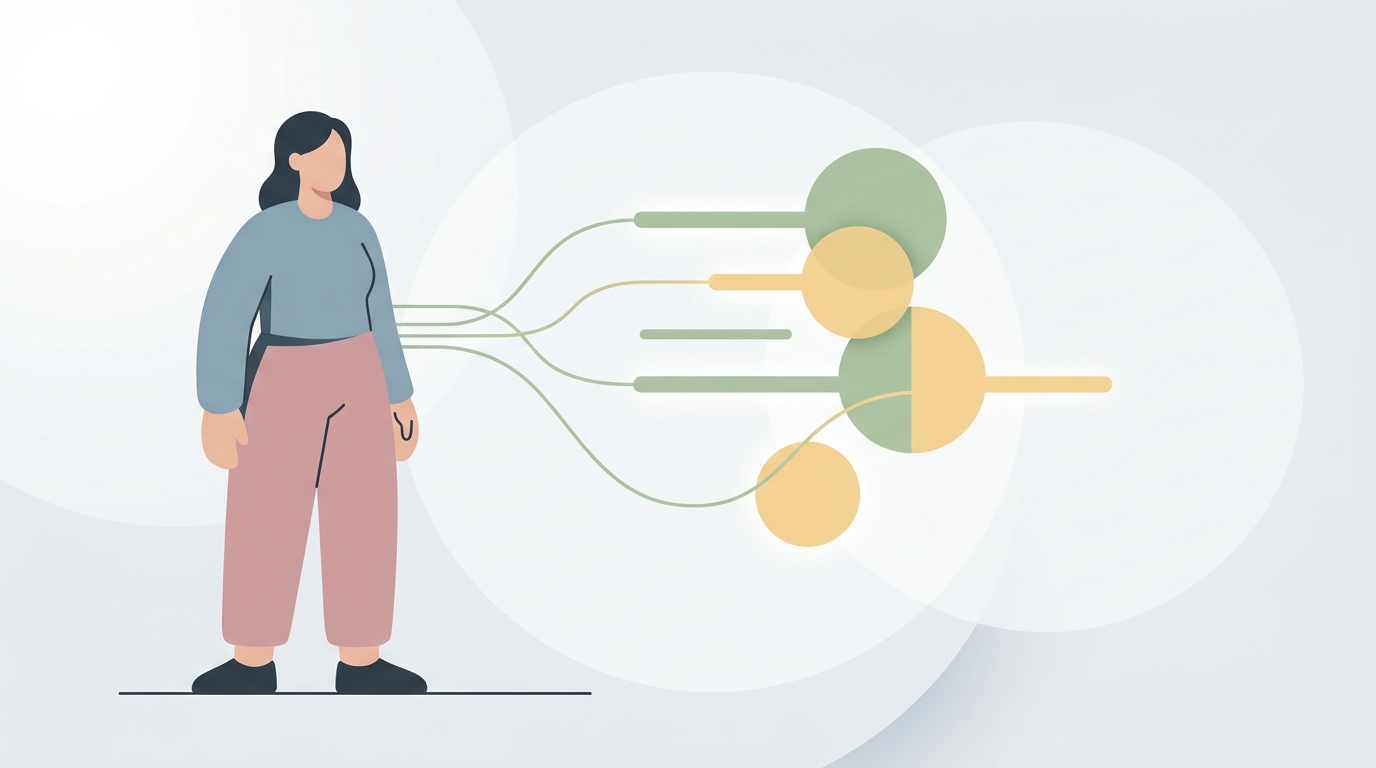
Around perimenopause, your body gradually begins to change. This has a direct impact on your hormone balance. This phase is characterised by fluctuations in the production of key hormones. You may notice that your menstrual cycle becomes more irregular, which is a common sign that your body is preparing for the transition. It is essential to understand that these changes are normal, but they can lead to various symptoms that affect your wellbeing. A proactive approach to your hormone balance is therefore important to keep feeling vital.
How oestrogen and progesterone affect your cycle and wellbeing
An important change you may experience concerns the decrease in estrogen and progesterone. Before perimenopause truly begins, these hormones work together in a delicate balance that regulates your cycle. Estrogen helps build up the uterine lining, while progesterone prepares it for a potential pregnancy and subsequently breaks it down if no fertilisation occurs. During perimenopause, the production of both hormones can decline, which disrupts the stability of your hormonal balance. This can lead to symptoms such as mood swings, sleep problems and hot flushes, which many people deal with during this phase. Understanding these processes is the first step towards finding solutions.
Recognising the symptoms of perimenopause
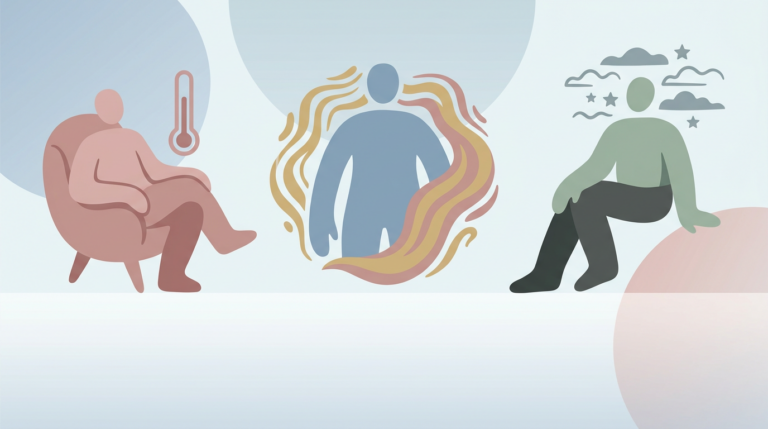
Perimenopause is the period before menopause and is accompanied by hormonal fluctuations that can cause various symptoms. Recognising these signs early is important for your well-being and for finding the right support in time. Common symptoms include changes in the menstrual cycle, such as irregular bleeding or an unusual duration and intensity. In addition, hot flushes, night sweats and sleep problems can be an indication. Psychological changes such as mood swings, irritability and feelings of anxiety also occur regularly. Impaired focus, memory issues and an overall feeling of fatigue are likewise signals that point to the influence of the fluctuating hormonal balance during this period. It is useful to take these indications seriously and to understand that they are a natural part of a biological process.
The varying intensity of perimenopausal symptoms
The intensity of perimenopausal symptoms can vary greatly from individual to individual, which can sometimes make them difficult to recognise. Some people experience mild discomforts that barely affect their daily lives, whilst others deal with severe complaints that have a significant impact on their quality of life. This variation is partly influenced by individual genetic predisposition, lifestyle factors and general health. A healthy hormonal balance can make the transition smoother. Tailored lifestyle guidance can play an important role in this, with personal needs and circumstances taking centre stage to reduce symptoms. It is all about learning to listen to your body and the signals it gives off, however subtle or pronounced they may be, in order to take the right steps towards better well-being.
The influence of oestrogen and progesterone on fatigue
Oestrogen and progesterone are hormones with a significant influence on energy levels and overall wellbeing, especially when the hormonal balance begins to change. A drop in progesterone, often one of the first signs of the perimenopause, can for example cause sleep problems and increased stress, which directly contributes to fatigue. Oestrogen also plays a role in energy metabolism and the functioning of mitochondria, the powerhouses of cells. When the levels of these hormones fluctuate, this can disrupt energy production and have considerable consequences for daily vitality. Understanding this intricate relationship is essential for maintaining a stable hormone balance and for combating persistent fatigue.
The vicious circle of hormonal imbalance and stress
The interaction between oestrogen, progesterone and stress often creates a vicious circle that sustains fatigue. A disturbed hormone balance can make the body more sensitive to stress, which increases the production of cortisol, the stress hormone. Chronically high cortisol levels can, in turn, further disrupt hormone production. This again leads to greater fatigue and a further disruption of the hormone balance. This can manifest as symptoms such as less deep sleep, mood swings and a general feeling of exhaustion. IKARIA Clinics emphasises that breaking this cycle requires a holistic approach, addressing both the hormonal aspects and the stress factors in order to restore vitality.
A restless night: the influence of hormonal fluctuations
An unstable hormonal balance can have a significant impact on the quality of night-time sleep, especially as the age of 40 approaches or perimenopause has already set in. Hormones such as oestrogen and progesterone play a crucial role in regulating sleep patterns. If these hormones become unbalanced, this can lead to sleep problems such as difficulty falling asleep, frequent waking during the night or a general feeling of restlessness. It is essential to understand how these internal processes affect wellbeing, so that targeted steps can be taken to support hormonal balance and thus improve sleep quality. IKARIA Clinics emphasises the importance of this coherence.
The impact of REM sleep disruption on wellbeing
The impact of REM sleep disruption caused by hormonal fluctuations is an aspect that is often overlooked. REM sleep, the phase in which dreaming occurs and which is essential for cognitive functions and emotional processing, can be severely disrupted by a changing hormone balance. When REM sleep is insufficient, this can lead to daytime fatigue, concentration problems and mood swings. Hormone optimisation for women, and attention to the hormone balance in general, often focuses on restoring these delicate balances in order to promote a deeper, more restorative sleep. After all, a good night's sleep is fundamental to overall vitality and long-term health, and can be one of the keys to maintaining a healthy hormone balance.
The importance of protocols in medicine
Medical guidelines form the backbone of responsible care, especially when it comes to the complex subject of hormone balance. They offer a standardised framework for diagnosis and treatment, based on the most recent scientific insights and clinical experiences. This ensures you know that the advice and treatments you receive are thoroughly substantiated and focused on safety and effectiveness. This is crucial for achieving and maintaining a stable hormone balance, particularly when your body changes and you may have to deal with the perimenopause. IKARIA Clinics closely follows these guidelines to provide reliable information and support.
Individualised hormone therapy according to NAMS guidelines
An example of such guidelines is that of the North American Menopause Society (NAMS), which make specific recommendations for the treatment of hormonal symptoms in women. These guidelines emphasise the importance of an individualised approach, where treatment is tailored to your unique situation, symptoms and medical history. This means that there is no ‘one-size-fits-all’ solution for optimising your hormone balance, but rather that careful consideration is given to what is most appropriate and effective for you. The focus is on restoring balance so that you feel more vital and your well-being improves.
How do you create your own hormonal profile?
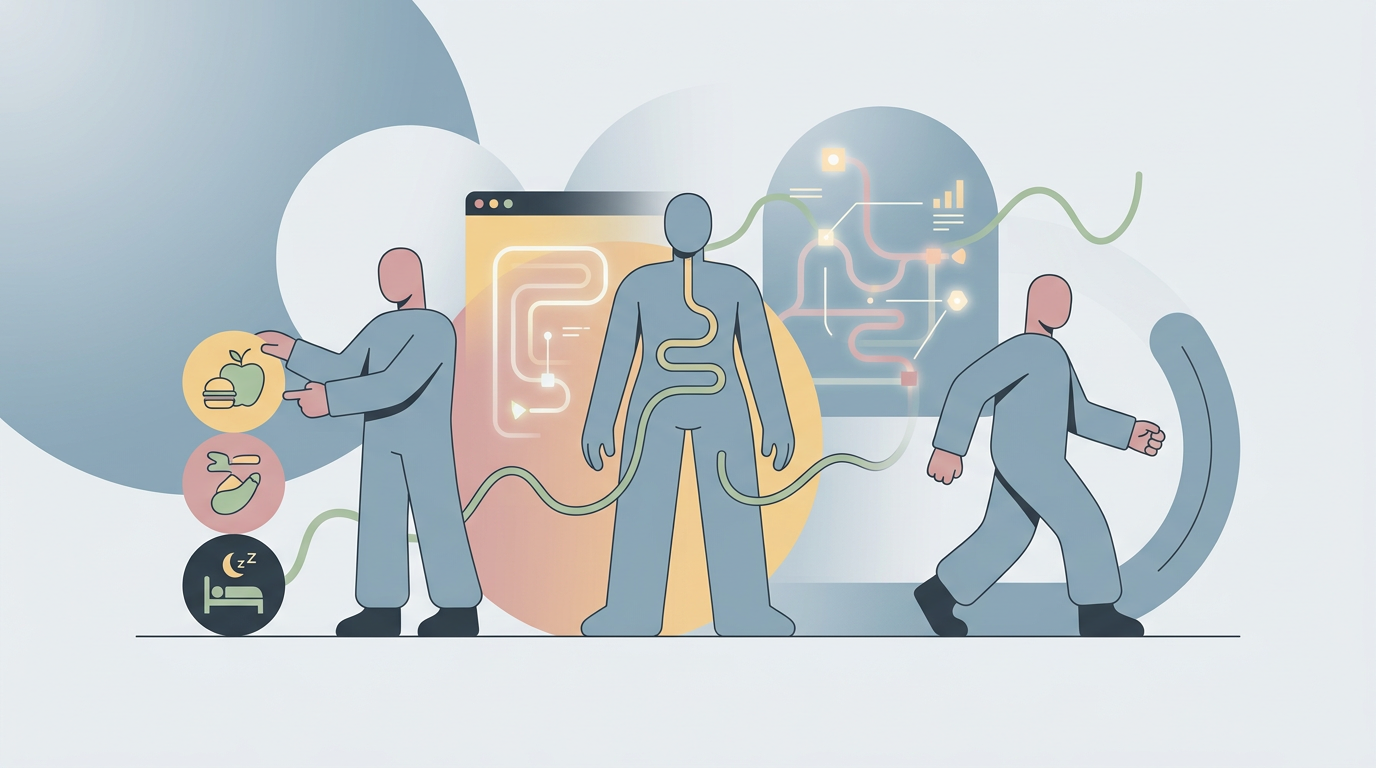
Beginning to create your own hormonal profile starts with a thorough look at your health and daily habits. This involves not only looking at physical complaints, but also delving into your eating habits, stress factors, sleep pattern and how much you exercise. This complete approach is essential, as various daily influences play a strong role in hormone balance. By carefully gathering this data, a more complete picture of the unique biochemical processes in your body emerges. This subsequently forms the basis for a targeted approach to your hormone balance. IKARIA Clinics emphasises that an integral approach to your lifestyle is essential to uncover the underlying causes of hormonal imbalance.
From hormonal profile to personal treatment plan
Based on the gathered information, an expert can draw up a personal hormonal profile, with the emphasis on the interpretation of the data. This profile is the stepping stone to a tailored plan aimed at restoring your hormone balance and improving your overall vitality. A personal treatment plan often includes recommendations in the areas of nutrition, exercise, stress management and, if necessary, specific supplements, always tailored to your individual needs and the findings from the profile. The goal is to support your body in regaining its natural balance so that you feel energetic and resilient again. IKARIA Clinics strives to provide you with the knowledge needed to make well-considered decisions about your health.
The benefits of hormonal stability
A balanced hormonal equilibrium contributes significantly to your overall vitality and quality of life, especially as you approach 40 or are in perimenopause. When the hormones in your body work together harmoniously, you generally experience more energy, a clear mind and a more stable mood. This balance helps you to deal with daily challenges with greater resilience and to feel better within yourself. It enables you to approach life with a more positive attitude and to function optimally, both physically and mentally. IKARIA Clinics underlines the importance of this internal stability for a sustainably healthy life.
The broad impact of a balanced hormone balance
The benefits of a stable hormonal balance extend beyond just your daily mood and energy level. It has a profound impact on various bodily functions, including the health of bones, the heart and blood vessels, and metabolism. A balanced hormone system can help maintain a healthy weight, support strong bone density, and regulate blood sugar levels. This reduces the risk of certain long-term health problems, contributing to a vital and active life. IKARIA Clinics helps you understand these complex connections so that you can proactively work on your health.
Supplements and nutrition: a symbiosis
A balanced hormone level is of crucial importance and is directly connected to your diet. What you consume has a direct influence on the production and regulation of hormones, which in turn impacts your energy level, mood, and overall vitality. It is therefore essential to choose a varied diet rich in unprocessed foods, fibre, healthy fats, and proteins. Think of generous amounts of vegetables, fruit, wholegrain products, nuts, seeds, and high-quality protein sources, which provide the necessary building blocks for optimal hormone production. These nutrients contribute to a stable blood sugar level and support liver function, which is indispensable for the elimination of excess hormones.
The selection of supplements and personal advice
Alongside a solid nutritional foundation, supplements can be a valuable addition to compensate for specific deficiencies or to support bodily processes, especially when your hormone balance requires extra attention. However, it is not a matter of taking them at random; the effectiveness of supplements depends heavily on your individual needs and the quality of the product. Careful consideration of the type of supplement, such as a product from Supplementen check, and its integration into your diet is important. An expert can help determine which supplements, such as magnesium or vitamin D, suit your personal situation and contribute to a better hormone balance.
The effects of stress management on your overall health
Stress has a major impact on the overall hormone balance and therefore on your well-being. Prolonged stress stimulates the adrenal glands to produce stress hormones such as cortisol. Although cortisol is important for quick responses to stress, a continuously high production can lead to disruptions in other hormone systems, such as those of thyroid and sex hormones. This can manifest as various complaints, including fatigue, mood swings and sleep problems. Effective stress management is therefore essential to break this negative cycle and support hormone balance, which contributes to a better sense of well-being and vitality.
Practical techniques for cortisol normalisation
Managing stress contributes to a healthy hormone balance by regulating cortisol production. By applying techniques such as mindfulness, breathing exercises and regular physical activity, you can influence the way your body responds to stressors. This not only helps to reduce high cortisol levels, but also promotes balance with other hormones. IKARIA Clinics emphasises that this approach not only reduces symptoms, but also contributes to a more resilient system that is better able to cope with the challenges of daily life. This results in more energy and a more stable mood.
Supporting long-term health and vitality
Maintaining your energy and vitality over the longer term, particularly around and after forty, requires a well-considered and proactive approach to your health. This is relevant because hormonal balance gradually changes during this phase of life, which affects your energy level, sleep quality and overall wellbeing. By investing in a healthy lifestyle, including a balanced diet, adequate exercise and stress management, you lay a solid foundation for a stable hormonal balance. This integrated approach helps you to remain resilient and effectively absorb the challenges that hormonal shifts bring. It is about actively steering factors that positively influence your energy level.
The role of monitoring and personalised guidance
To sustainably support this resilience and optimal hormonal balance, personalised guidance is of great importance. IKARIA Clinics’ lifestyle coaching is specifically aimed at sustainable behavioural change and strengthening vitality. This means that not only are the symptoms addressed, but the underlying causes of imbalance are also identified and treated. By means of an individually tailored plan, based on a thorough analysis of your situation, you learn which adjustments to your daily routine are most effective. This targeted support helps you to consistently make healthy choices, which is essential for maintaining your energy and wellbeing in the long term.
Conclusion hormone balance
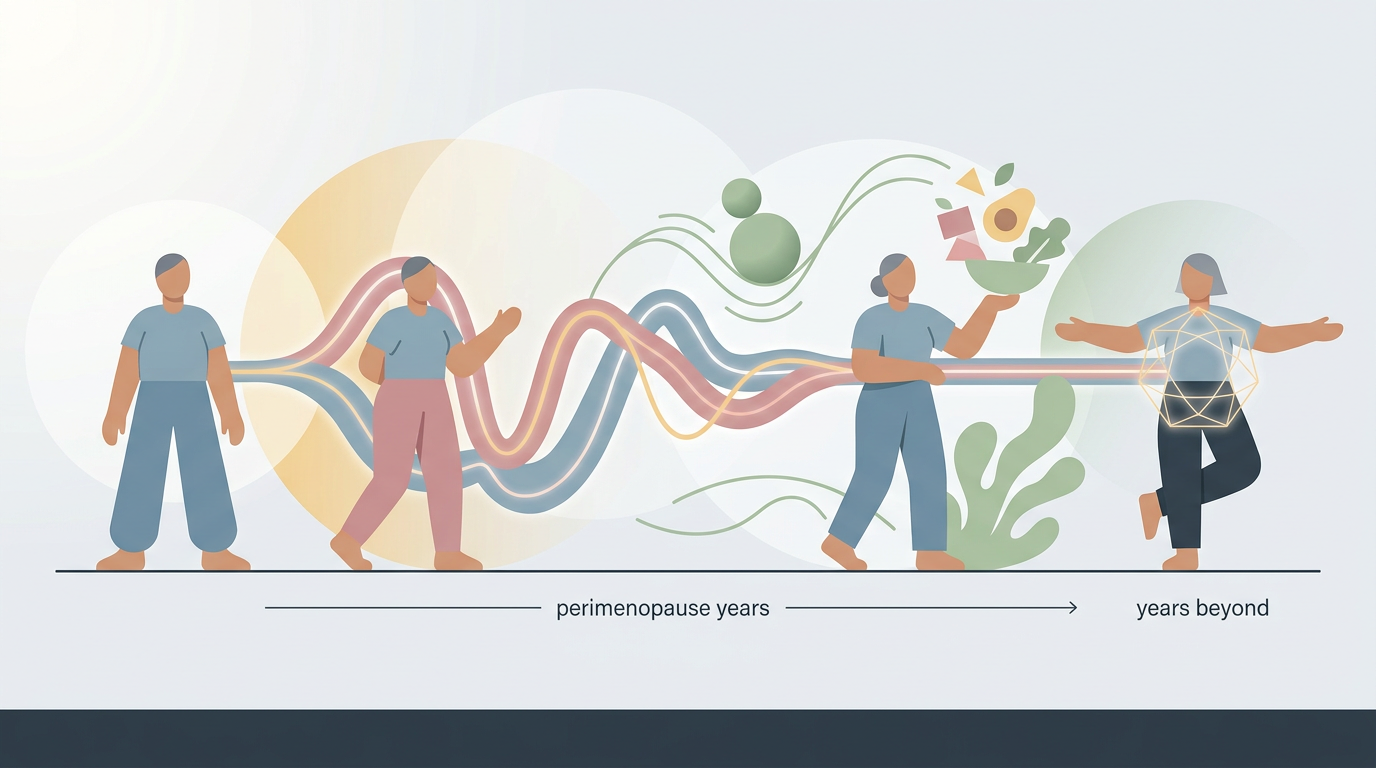
The journey through perimenopause and the years beyond brings many hormonal changes, particularly in oestrogen and progesterone, which have a direct impact on your hormone balance. This can lead to various symptoms such as mood swings, fatigue and sleep problems, with stress and hormonal fluctuations also reinforcing one another. The good news is that you do not have to stand by passively. Insight into these processes and a proactive approach, based on medical guidelines, are essential to maintaining your vitality. At IKARIA Clinics, we understand the complexity of hormone balance and, with our Hormone Optimisation for Women treatment, we offer a scientifically backed, personalised approach.
Frequently asked questions
What happens to my hormone balance after I turn forty?
After the age of forty, perimenopause begins, characterised by fluctuations in hormone production, such as irregular menstrual cycles. Your body undergoes gradual changes that directly impact your hormonal balance.
How do I recognise the signs of perimenopause?
Perimenopause can be recognised by hormonal fluctuations that cause various symptoms, such as changes in your period. It is the transitional phase leading up to menopause and recognising the signs is important for your wellbeing.
What role do oestrogen and progesterone play in fatigue?
Oestrogen and progesterone affect your energy levels; a drop in progesterone can lead to sleep problems and increased stress, which causes fatigue. These hormones are crucial for your overall wellbeing.
How do fluctuating hormones affect my night's sleep?
Fluctuating hormone levels, especially of estrogen and progesterone, can significantly disrupt your sleep. These disruptions often lead to sleep problems, particularly around and after the age of 40.
Why are medical guidelines important in the treatment of hormone balance issues?
Medical guidelines are important because they provide a standardised framework for the diagnosis and treatment of hormone balance problems. They ensure that you receive advice and treatments that are based on scientific insights and clinical experiences.
How do I compile a personal hormonal profile?
A personal hormonal profile is compiled through a thorough inventory of your health and lifestyle. This includes your diet, stress levels, sleep quality and exercise habits to get a complete picture.