Book Appointment Now


What is hormone replacement therapy?
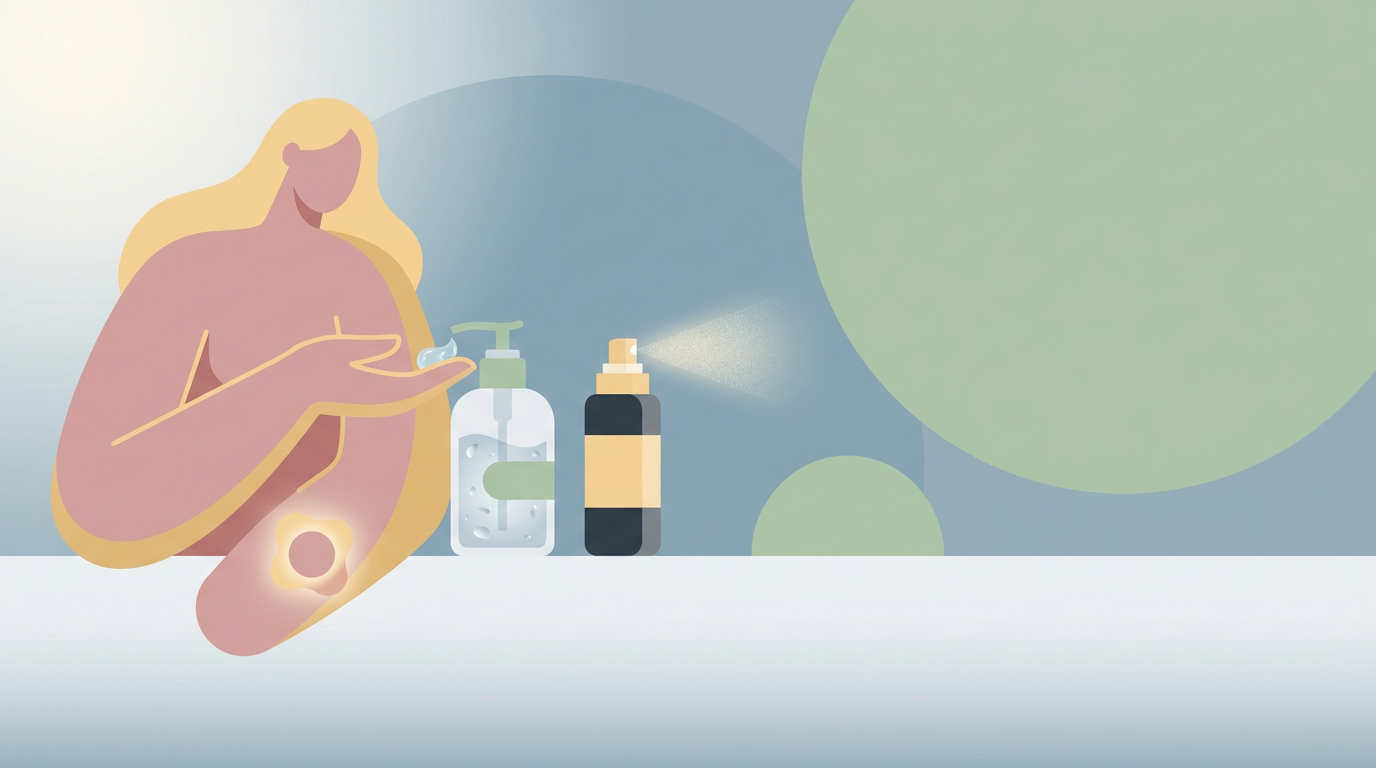
In recent years, more transdermal estrogen delivery forms have entered the market, expanding the applications of hormone replacement therapy (HRT). In addition to estrogen patches, there are now a gel and a spray, making hormone replacement therapy increasingly accessible. These recent changes in guidelines for menopausal symptoms, as found on Thuisarts.nl, emphasize broader acceptance of hormonal interventions. In men, similar symptoms may be a reason to investigate testosterone, but that falls outside the scope of the NHG update on menopause. This requires a careful consideration of the options, which go well beyond conventional assumptions. A thorough diagnosis and personalized approach form the basis for informed choices regarding vitality and well-being.
Table of contents
What does hormone replacement therapy involve?
Hormone replacement therapy (HRT) is a medical treatment designed to supplement hormones that the body no longer produces in sufficient quantities. This therapy can be used to treat various hormonal imbalances, such as those that occur during the transition in women, but also in men with a testosterone deficiency. The main aim is to alleviate symptoms arising from these deficiencies, such as hot flushes, fatigue or a reduced libido. The treatment is always carefully tailored to individual needs and hormone levels, following a thorough diagnosis by a specialist. It is a comprehensive process that requires close monitoring to restore balance and promote general well-being.
The physiological role of hormones in men
In men, testosterone plays an important role in energy levels, muscle mass, bone health, libido and mental function. A deficiency of this hormone can lead to various symptoms, including chronic fatigue, mood swings and impaired cognitive function. Understanding the actual cause of these symptoms is the first step before deciding on potential hormone replacement therapy. It is important to understand that such therapy aims to optimise the natural hormonal balance, which contributes to improved vitality and quality of life.
How do you recognise low testosterone levels?
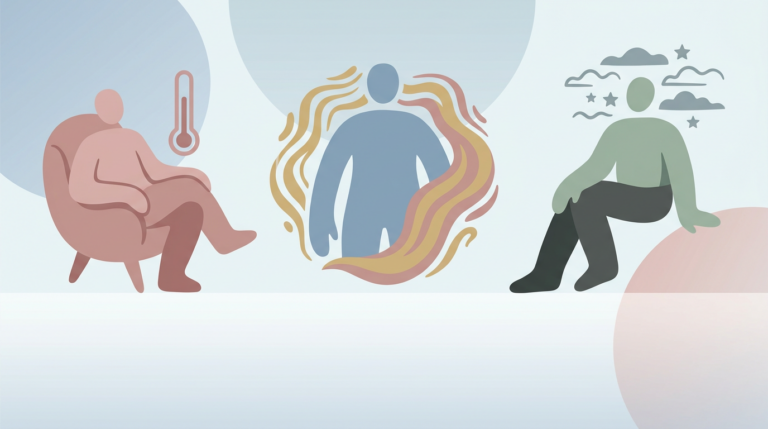
Low testosterone levels (hypogonadism) can manifest as changes in energy levels, libido and body composition. For example, there may be a noticeable decrease in energy levels, making everyday tasks feel more strenuous. In addition, a reduced libido is a common sign, as are problems with erections. Changes in body composition, such as an increase in body fat and a decrease in muscle mass, can also indicate a low level of this important hormone. It is important to take these signs seriously and not dismiss them as normal age-related ailments — early recognition enables targeted follow-up.
Physical and emotional consequences of low testosterone levels
The consequences of low testosterone levels affect both the physical and emotional aspects of wellbeing. Physically, in addition to the symptoms mentioned earlier, one may also experience weaker bones, which increases the risk of osteoporosis. Hair loss and reduced beard growth are also possible indicators. On an emotional level, low levels can lead to mood swings, irritability, a lack of motivation and even feelings of depression. These symptoms can significantly affect day-to-day functioning and quality of life. A thorough analysis helps to identify the actual cause.
Why is a medical diagnosis necessary?
Before a decision is made regarding hormone replacement therapy, an accurate medical diagnosis is crucial. This allows the actual cause of the symptoms to be identified — whether they are linked to hormonal fluctuations such as andropause or the menopause, or to other underlying conditions. These stages of life can have a significant impact on a person’s mood, energy levels, libido and even hair growth, but similar symptoms may also have other causes (Hormone Replacement Therapy). A thorough diagnosis ensures that the chosen treatment is tailored to the individual’s specific situation and needs — a prerequisite for an effective and safe approach. This prevents unnecessary treatments and focuses attention on the right solution.
The role of blood tests and differential diagnosis
Blood tests and differential diagnosis play a crucial role in this regard. A thorough blood test, such as the DUTCH test, can provide insight into hormone levels and identify any imbalances (Hormone replacement therapy). However, interpreting these results requires medical expertise. A differential diagnosis involves a doctor considering various possible conditions that cause similar symptoms, in order to arrive at the most accurate diagnosis. This process, which involves, for example, internists and endocrinologists, ensures a multidisciplinary approach and guarantees that other conditions, such as thyroid problems or diabetes, are not overlooked (Endocrinology Department). An accurate picture of a patient’s health is the basis for any well-considered treatment decision.
Which substances are used in this course of treatment?
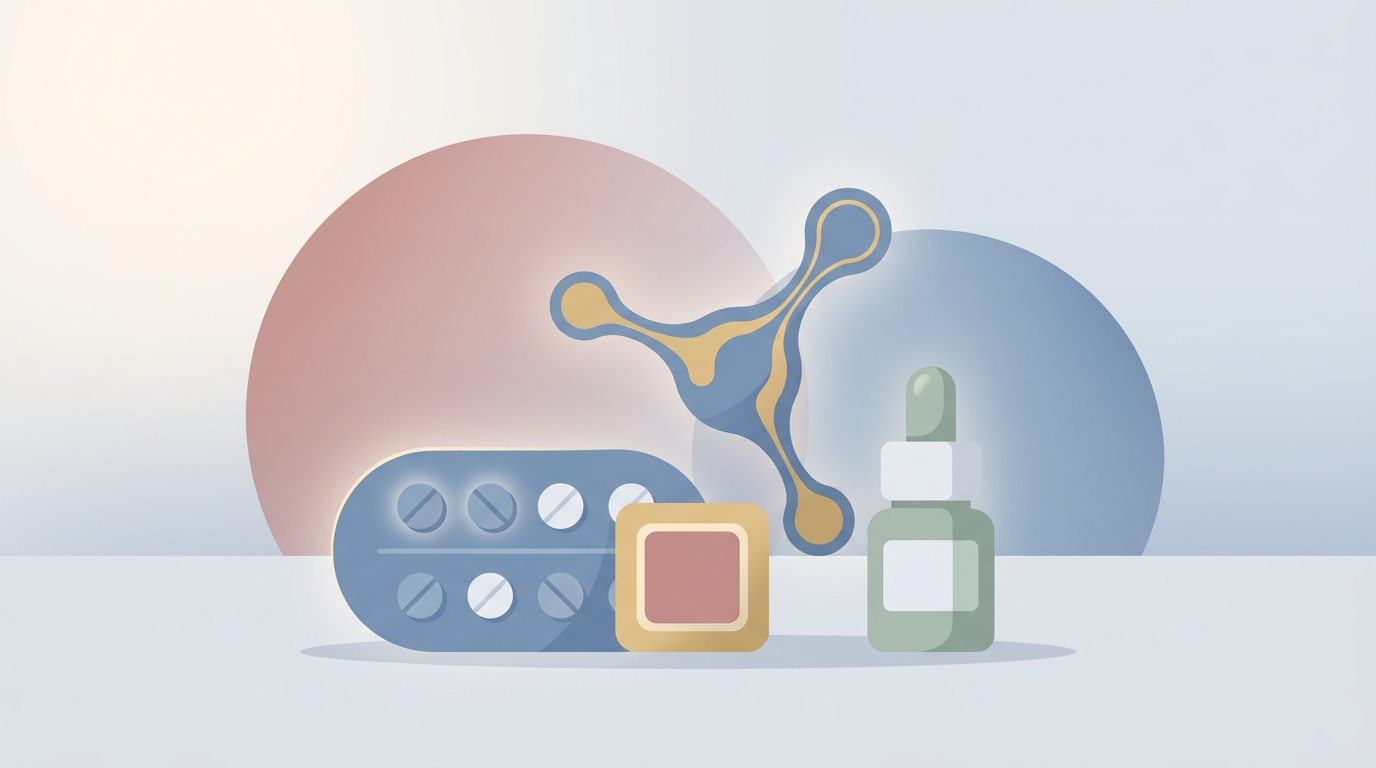
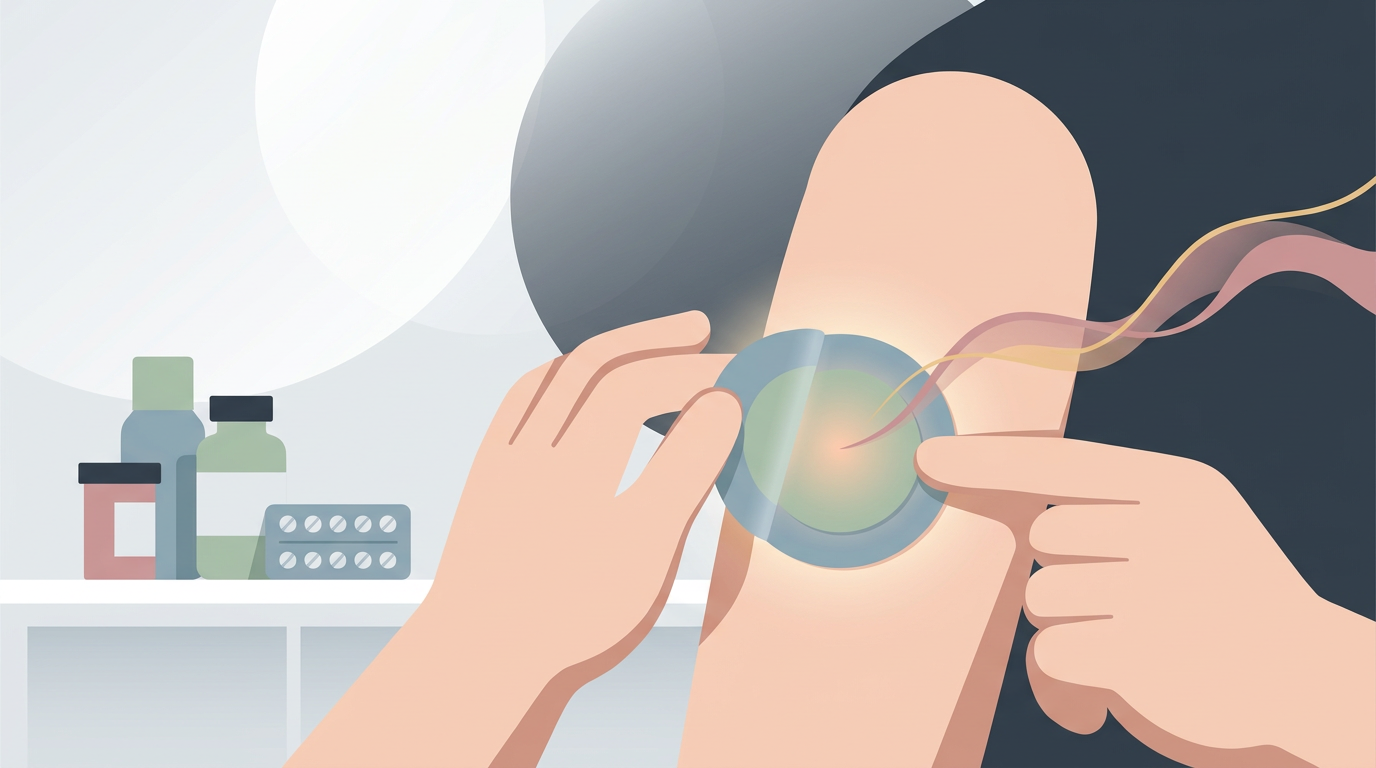
Hormone replacement therapy mainly uses oestrogen, which helps to alleviate symptoms such as hot flushes. This hormone can be administered in various ways, including oral tablets and transdermal methods, such as patches, gels or sprays. As the guidelines state that oestrogen may increase the risk of breast cancer, if you still have a uterus, a progestogen is added to reduce the risk to the uterus. Some progestogens are used to protect the uterus; the specific medication is determined by the treating doctor. The NHG Standard states that only the effectiveness of hormone therapy has been conclusively demonstrated. The choice of a specific route of administration depends on the individual’s situation and preferences, and is determined in consultation with a doctor.
Choice of hormones and route of administration
In addition to oestradiol and progestogens, various methods of administering oestrogen through the skin have become available, such as patches. These offer flexibility in the way the hormones are administered. The indications for transdermal use have been broadened in the new version of the guideline; where relevant, an oral progestogen remains necessary to protect women with a uterus. It is important to establish the underlying cause of the symptoms before making an informed decision about hormone replacement therapy, so that the care provided is optimally tailored to the patient’s needs and health status.
How do you combine treatment with sport?
Hormone replacement therapy and exercise can go hand in hand, provided you adopt the right approach. Although non-hormonal treatments such as black cohosh or phyto-oestrogens have no proven effect on hot flushes, stress-reducing therapy may have some benefit. In contrast, hormone therapy is the cornerstone of treatment for menopausal symptoms, and its effectiveness has been conclusively demonstrated. With proper guidance, sporting performance and recovery can be optimised, which contributes to a greater sense of vitality.
Next: treatment plan, adjustment and monitoring
With IKARIA Clinics We tailor the treatment plan to your personal situation, including your sporting ambitions. This means we adjust the hormone replacement therapy so that it supports your body during physical exertion and recovery. You will always need regular monitoring so that the dosage can be adjusted if necessary, ensuring you derive the maximum benefit with minimal risks. The standard recommends discussing with you which care option is most suitable, depending on the impact your symptoms have on you and your need for hormone therapy. This ensures that your sporting activities remain safe and effective, supporting your overall vitality.
How do you store the medication correctly?
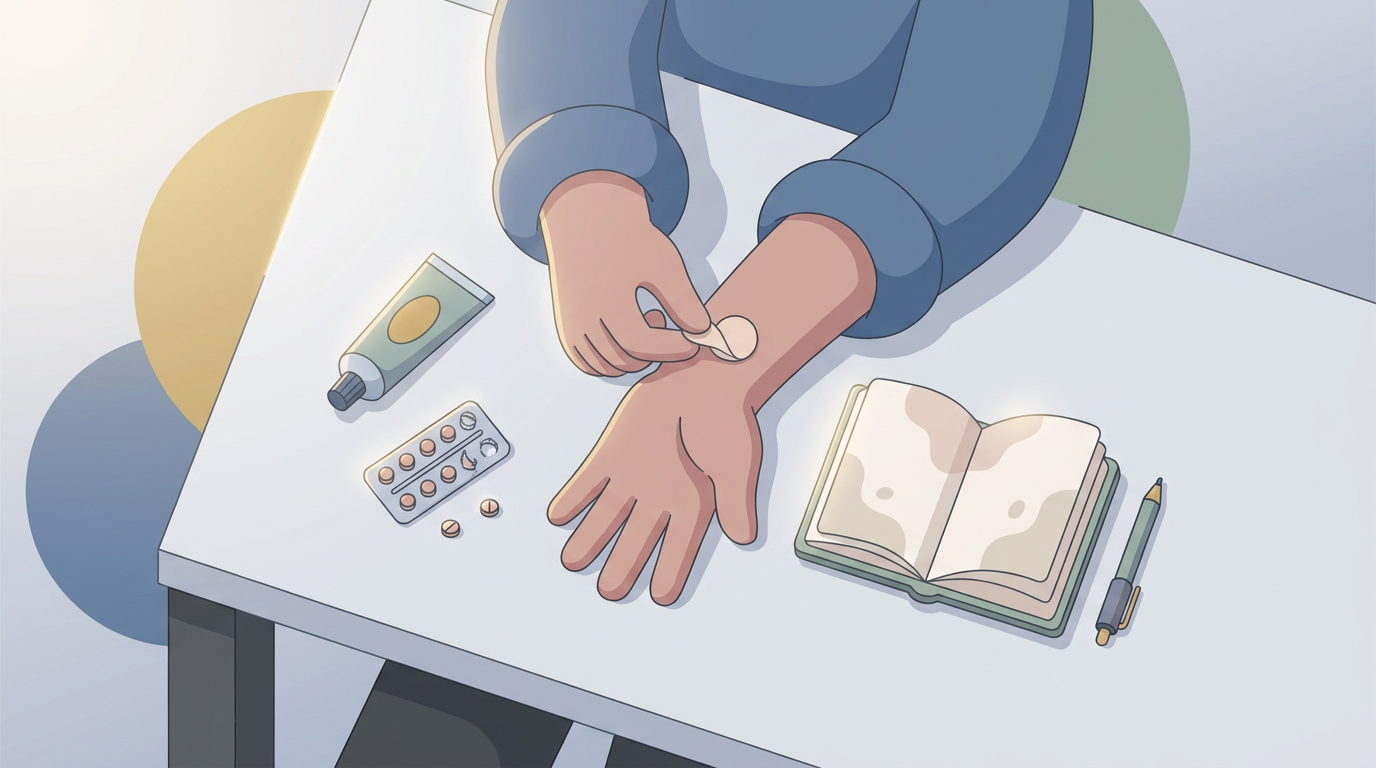
Storing medication used as part of hormone replacement therapy correctly is of great importance for its efficacy and safety. The instructions on the packaging or the advice given by the pharmacist should always be followed carefully, as the specific storage conditions may vary from one medicine to another. Generally speaking, most hormonal preparations are best stored in a cool, dry place, away from direct sunlight and out of the reach of children. Extreme temperatures, whether too high or too low, can affect the stability of the active ingredients, reducing their effectiveness or altering their composition. Also, check the expiry date and do not use medicines after this date, even if they still look fine.
Storing and carrying medication
Some types of medication may require specific storage conditions; always check the patient information leaflet or ask your pharmacist. Always check whether this applies to your medication, and if so, ensure that the temperature remains constant and does not fall below freezing. It is also advisable to keep medication in its original packaging, as this often provides protection against light and moisture and contains important information, such as the name of the medicine, the dosage and the expiry date. When travelling, consult your doctor or pharmacist about the best way to store and carry your medication, so that its quality is maintained throughout your journey.
How does hormone replacement therapy work?
Hormone replacement therapy, often referred to as hormonal substitution therapy, is a careful process that begins with a thorough assessment of your health and symptoms. The aim is to replenish a deficiency in specific hormones in order to alleviate symptoms and improve your wellbeing. The therapy is always tailored to an individual’s personal needs and hormone levels, which are determined through comprehensive blood tests. This process involves a detailed medical history, during which the doctor assesses your medical history and lifestyle. A treatment plan is then drawn up to suit your unique situation, with the focus on restoring hormonal balance and optimising your vitality. It is a process that requires careful monitoring and regular adjustments.
Timeline for specific improvements
Once hormone replacement therapy has begun, the first changes may become noticeable over time; the pace varies from person to person. Some women notice a reduction in hot flushes within a few weeks to months; the time it takes varies from person to person. From around three months onwards, it is realistic to expect a significant reduction in these symptoms, which means a clear improvement in your day-to-day comfort (From 3 months). This timeline for noticeable effects applies to various forms of hormone replacement therapy. Regular check-ups with your GP or gynaecologist, usually once a year, are necessary to assess the medication and the progress of your symptoms and to adjust the treatment if necessary. This ensures the safe and effective continuation of your treatment.
What are the benefits for your focus and strength?
Some people report improvements in energy levels and concentration; the evidence for this is less clear than for the alleviation of menopausal symptoms. This treatment focuses on restoring optimal hormone levels, which has a direct impact on your energy levels and cognitive functions. Concentration may improve, decision-making may feel easier and general mental clarity may increase. Some people experience an improvement in energy levels or a return to normal, which may help with physical activity. This can contribute to a sense of renewed vitality and wellbeing.
Exercise and nutrition to maximise the effects of HRT
As well as the direct effects of hormone replacement therapy on your hormone balance, you can maximise the benefits for focus and strength by paying close attention to your training and diet. A consistent training programme, incorporating both strength training and cardiovascular exercise, supports the hormonal processes in your body and stimulates muscle growth and energy production. At the same time, a diet rich in essential nutrients, such as protein, healthy fats and complex carbohydrates, is crucial for maintaining your energy levels and mental sharpness. By combining these elements, the positive effects of the therapy can be enhanced and you can work towards a lasting improvement in your overall health.
When will you start to see the first physical results?
The hormones usually begin to have an effect on the body after about two to three weeks. This initial period is characterised by subtle changes, which gradually become more noticeable. It is a process during which the body adapts to the new hormonal balance. During this phase, it is advisable to pay attention to your general well-being and to keep track of any changes, so that the treatment can be optimally tailored to your needs. The positive effects of the treatment continue to build up as time goes on.
Effects, adherence and monitoring
Effects may develop over a period of weeks to months; treatment and response are assessed periodically. By this stage, the hormones will have taken full effect and you can expect a marked reduction in your symptoms. For example, if you were experiencing hot flushes, you may notice that they occur much less frequently; women who had ten hot flushes a day may then see this reduced to around two a day. This illustrates how important it is to adhere to your treatment in order to achieve the desired results and restore your vitality. Regular consultations with your doctor are necessary to discuss your progress and adjust the treatment if necessary.
How do you safely start an initial project?
Thorough preparation is essential to ensure a safe start to a programme aimed at restoring hormonal balance. A comprehensive medical assessment accurately maps out your current state of health and any underlying conditions. This involves a thorough review of your medical history, supplemented by a physical examination and blood tests to measure current hormone levels and identify the source of any symptoms. Based on this information, a doctor will determine whether restoring hormonal balance is appropriate, taking into account individual circumstances and goals. Open communication about expectations and any concerns is valuable, so that the treatment plan can be tailored as effectively as possible.
Personalised treatment plan and assessment
Following this initial evaluation, a personalised treatment plan will follow, in which the choice of hormones and method of administration is carefully considered. Hormone therapy, such as with estradiol, can have side effects such as fluid retention, tender breasts or headaches in the first few months. Effects build up over weeks to months; clients and practitioners evaluate the response periodically. Hormone therapy helps. Periodic evaluations with the treating physician, initially after three months and annually thereafter, are a fixed part of the process to monitor progress, discuss any side effects and adjust the dosage where necessary.
Conclusion on hormone replacement therapy
It is clear that hormone replacement therapy can be a valuable approach to restoring vitality, provided it is applied carefully. A deficiency in hormones, such as testosterone in men, can lead to various symptoms, ranging from fatigue and mood swings to a reduced libido and loss of muscle mass. An important factor lies in an accurate medical diagnosis, supported by thorough blood tests, to uncover the true cause of your symptoms. Treatments, often involving estradiol and progestogen in various delivery forms, are always tailored to the individual and can work well alongside an active lifestyle.
Therefore, close consultation with an experienced doctor is essential. You discuss your symptoms and blood test results, formulate realistic goals, and tailor the treatment plan to your situation. During the treatment, you and your practitioner monitor the effects together and adjust the approach if necessary, so that you notice results in your energy and well-being. Furthermore, continue to pay attention to your lifestyle, as this supports the effectiveness of the therapy and contributes to sustainable recovery.
Frequently asked questions
What does hormone replacement therapy actually involve?
Hormone replacement therapy is a medical treatment that replenishes hormone deficiencies in the body. This therapy helps with hormonal imbalances, such as during the menopause in women or a testosterone deficiency in men, to reduce symptoms and improve well-being.
How can you recognise a testosterone deficiency?
A shortage of testosterone is often recognised by a decrease in energy levels, reduced libido and mood swings. Muscle weakness, an increase in body fat and concentration problems can also indicate hypogonadism.
Why is a medical diagnosis so important for this therapy?
A medical diagnosis is necessary to find out the true cause of your symptoms before starting hormone replacement therapy. This ensures that the treatment is safe and effective, and that other underlying conditions are ruled out.
What substances are used in hormone replacement therapy?
With hormone replacement therapy, oestrogen is generally used, often combined with a progestogen when there is an indication for this, in order to prevent cancer of the womb. These hormones can be administered as pills, patches, gels or sprays, depending on individual needs and medical advice.
How do you combine hormone replacement therapy with exercise?
Hormone replacement therapy and exercise go brilliantly together, because the treatment restores hormonal balance and increases your energy levels. This makes it easier to be active, which further promotes general health.
When do you notice the first physical results of the therapy?
Some people notice improvement within a few weeks; for others, it takes longer. The hormones then begin to show their effect, which gradually leads to more noticeable physical results.