Book Appointment Now


Understanding transition complaints and knowing what to expect
The transition marks a significant phase with various physical and mental changes, in addition to the well-known symptoms of menopause. Many women experience menopause symptoms, ranging from subtle signals to significant symptoms that affect daily functioning. Think of unexpected hot flashes, disruptive night sweats, sleep problems that undermine your energy, and mood swings that disrupt your emotional balance. These experiences can raise questions about what is normal, how long this period lasts, and what scientifically-based options are available to improve your well-being. Understanding what is happening in your body helps you make informed choices for your well-being.
Table of contents
What are the first symptoms of menopause in women?
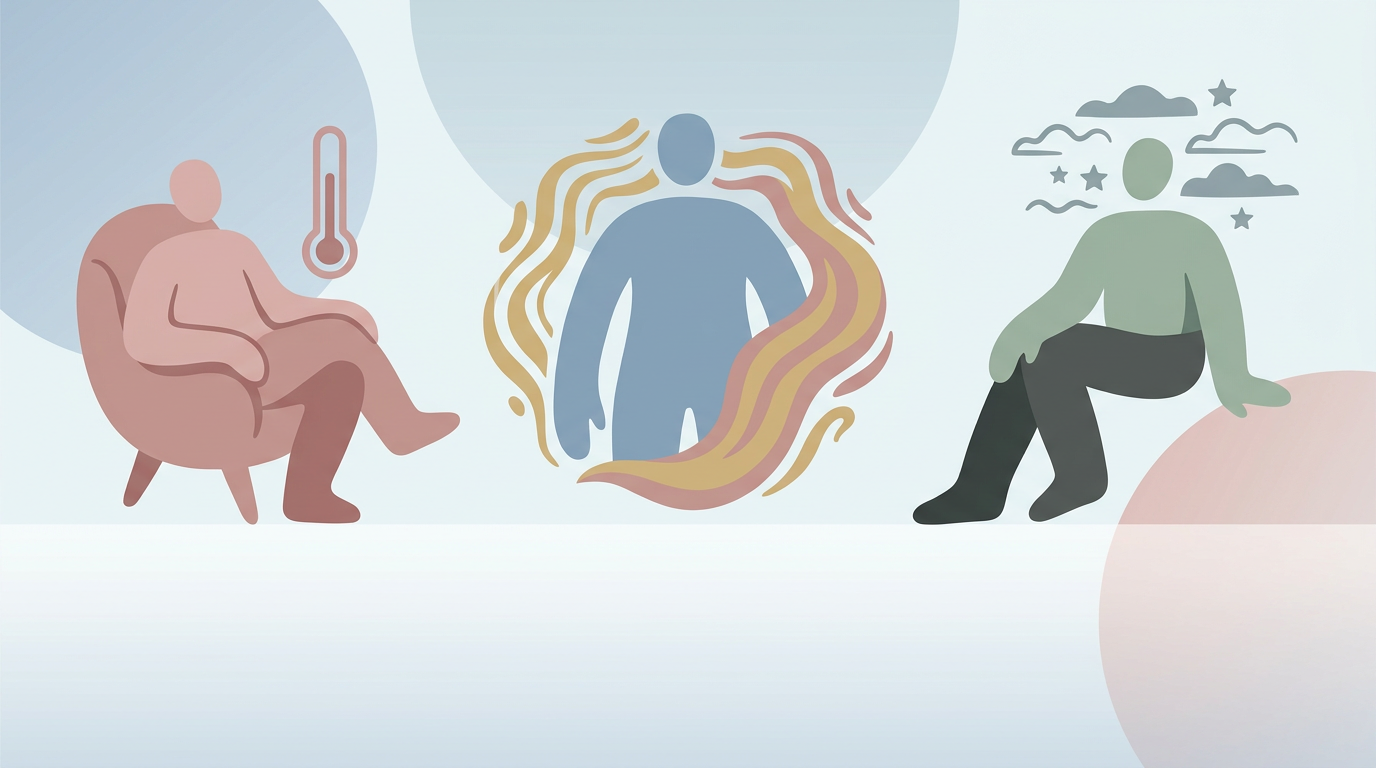
The transition It is accompanied by hormonal changes that can manifest in various ways. Often, the first signs are subtle and are not immediately linked to menopause. Common early menopause symptoms include hot flashes, night sweats, sleep problems, and mood swings. You may find yourself more irritable, more tired quickly, or have difficulty concentrating. Irregular periods, in which the cycle becomes shorter or longer or the intensity changes, are also indicative. The nature and severity of these symptoms vary greatly from person to person, but they are part of this phase of life.
The crucial role of fluctuating hormone levels
Fluctuating hormone levels are at the root of most complaints. In particular, the decline and fluctuations of estrogen and progesterone are responsible for the changes you experience. These hormones influence numerous bodily functions, including your temperature regulation, sleep patterns, and emotional stability. The brain responds sensitively to these fluctuations, leading to the well-known hot flashes, sleep problems, and mood swings. A better understanding of these hormonal processes helps explain why these symptoms arise and how to manage them.
How do hormones change your body during this phase?
During the transition, your body undergoes significant hormonal changes, primarily due to the ovaries becoming less active. This leads to a decrease in hormones such as estrogen and progesterone, which trigger various physical and sometimes mental changes. These shifts can cause transition symptoms such as hot flashes, night sweats, and mood swings. It is a natural phase, but the intensity of the changes can vary greatly from person to person. Understanding this hormonal dynamics helps place the associated symptoms and understand why your body reacts differently than before.
The multifaceted influence on specific organs
Hormonal changes during menopause have a multifaceted impact on specific organs and bodily functions. For example, the decline in estrogen can lead to changes in bone density, which can increase the risk of osteoporosis. The skin, hair, and mucous membranes, including those of the vagina, can also become thinner and drier. This can lead to discomfort or pain during sexual activity, a common complaint. For vaginal complaints For example, ointment and gel without hormones are an option that you can buy at the pharmacy and apply twice daily. These remedies can provide immediate relief, although the effect is often short-lived, as mentioned in the revised NHG Standard on the Transition.
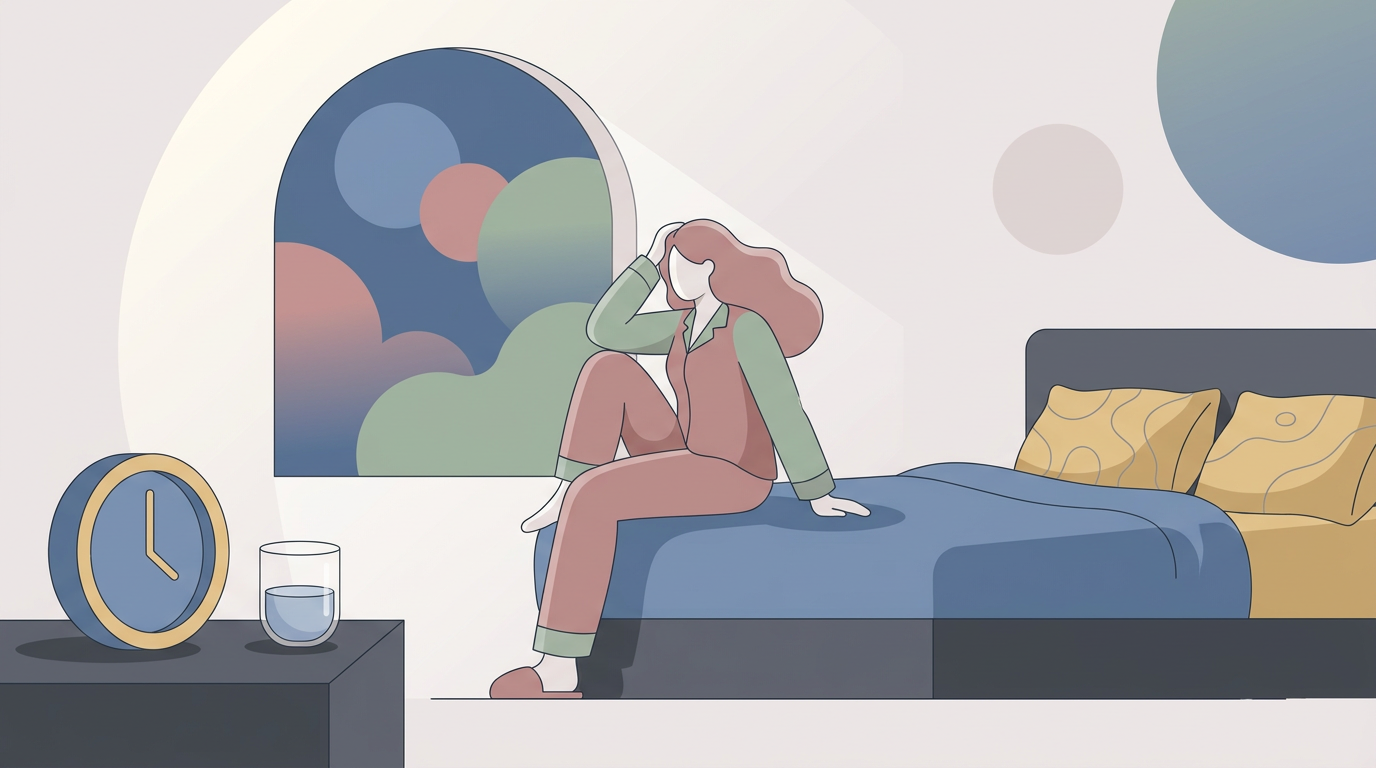
What role does estrogen play in your sleep?
Estrogen, a crucial female hormone, has a significant impact on your sleep patterns, especially during menopause. A decrease in estrogen levels can lead to various sleep problems, such as difficulty falling asleep, waking up more often at night, and a less deep sleep. This hormonal shift affects the body’s thermoregulation, which can manifest as hot flashes and night sweats, factors that significantly disrupt nighttime rest. Additionally, estrogen plays a role in regulating mood and anxiety, which indirectly can also affect sleep quality. Understanding this relationship helps you better assess the changes and seek targeted support.
The physiological link with sleep-regulating neurotransmitters
The physiological link between estrogen and sleep-regulating neurotransmitters is complex and multifaceted. Estrogen influences the production and activity of neurotransmitters such as serotonin and melatonin, which are essential for a healthy sleep-wake cycle. Serotonin contributes to a sense of well-being and can be converted into melatonin, the hormone that prepares the body for sleep. When estrogen levels decline, this can disrupt the balance of these neurotransmitters, resulting in sleep problems. This disruption can also lead to an increased sensitivity to stress, further complicating sleep. Understanding these physiological mechanisms provides a foundation for a targeted approach to sleep problems during menopause.
How do you recognize mental fluctuations caused by hormones?
Mental fluctuations due to hormonal changes, as is typical during the menopause, often manifest in a wide range of emotional and cognitive symptoms. It is valuable to recognize these signals as possible expressions of hormonal changes, rather than attributing them solely to stress or external factors. By identifying these symptoms, a clearer picture emerges of the impact of the menopause on mental well-being.
The influence on neurotransmitters and self-confidence
The impact on neurotransmitters and self-confidence during the transition is significant. The declining estrogen levels directly affect the functioning of neurotransmitters in the brain, such as serotonin and dopamine, which play a crucial role in mood, motivation, and pleasure. This can lead to feelings of gloominess, lethargy, and a decreased sense of self-worth. If you notice that you have less self-confidence, uncertainty about decisions, or withdrawing from social interactions, this may be a direct result of these biochemical changes. Understanding these connections helps to interpret experiences and makes it easier to seek targeted support.
What helps with transition symptoms according to science?
When dealing with menopausal symptoms, hormone therapy (HT) offers a scientifically proven option to alleviate the discomforts. This treatment focuses on replenishing hormones such as estradiol, which decrease during menopause. Hormone therapy can start to have an effect after two to three weeks, with a noticeable improvement after about three months. The number of hot flashes can significantly decrease during that period. Provided it is carefully tailored to the individual's situation, hormone therapy can alleviate the intensity of symptoms and support overall well-being.
Possibilities of hormone therapy
There are several ways to use estradiol, often in combination with a progestin to protect the uterus against a slightly higher risk of uterine cancer. estradiol. You can choose from pills that contain both hormones, or estradiol via pills, patches, sprays, or gels, supplemented with a separate progestogen. This can be a pill or a progestogen-only hormonal contraceptive. Annual check-ups with your GP or gynecologist are necessary to evaluate the medication and your symptoms. Although hormone therapy carries a slightly increased risk of certain conditions such as thrombosis, the current medications are safer and contain fewer hormones than in the past, making the risks smaller than often thought.
Can you keep taking the pill for more balance?
Irritability and other symptoms during the transition can noticeably affect quality of life. The question of whether you can continue taking the contraceptive pill to alleviate these discomforts often arises. Although the pill contains hormones, it is primarily designed to prevent pregnancy and not specifically to treat menopausal symptoms. The composition and dosage of the hormones in the contraceptive pill differ from those in hormone therapy, which is aimed at replenishing declining hormone levels to alleviate symptoms. This distinction is relevant when discussing symptom relief options with a doctor. Careful consideration with a doctor is necessary in this case.

Hormone replacement therapy as a proven medical option
For effectively addressing menopausal symptoms, hormone therapy, also known as hormone replacement therapy (HST), is a proven medical option. This treatment involves administering estrogen, often in combination with progestin, and is specifically aimed at reducing symptoms such as hot flashes. Although the effectiveness of HST has been convincingly demonstrated, it is important to know that long-term use of some hormones can increase the risk of certain diseases, such as breast cancer (after 3 years of use, the additional risk is estimated at 2 per 1,000 users) and venous thromboembolism. Therefore, it is advisable to avoid using hormone therapy for longer than five years, and always in consultation with a doctor to weigh the benefits and risks. hormone therapy.
How long do complaints about the transition usually last?
The duration of complaints during menopause varies greatly from person to person. In general, you can assume that hormonal changes and the associated discomforts can last several years or even more than ten years. Although the intensity and nature of the symptoms vary from woman to woman, the first signs often begin in the perimenopause, the phase before the last menstrual period. Some women experience only mild and short-term discomforts, while others experience a wide range of more intense discomforts for an extended period. It is a process that develops gradually and rarely ends abruptly.
Influence of hormone therapy on symptoms
In addition to the natural variation in the duration of the transition, there are several factors that influence the experienced duration. Lifestyle, genetics, and overall health play a role here. Hormone therapy can help shorten the duration of symptoms such as hot flashes or reduce their intensity. Often you notice an effect within a few weeks, and after a month or three, hot flashes are usually significantly less frequent. Hormone therapy is usually helpful. Regular check-ups with the GP or gynecologist, for example annually, are important to evaluate the medication and symptoms. You will receive the appropriate support throughout the entire process.
Which diet supports your natural hormone balance?
During the transition, nutrition plays an important role in managing various discomforts and supporting your overall well-being. Although diet is not a direct solution for all transition symptoms, a balanced diet can help better cope with the hormonal shifts your body undergoes. A varied intake of unprocessed foods — such as whole grains, fresh vegetables and fruits, lean meats or plant-based proteins and healthy fats — contributes to stable blood sugar levels and can reduce energy dips.
Specific nutrients for symptom relief
For the reduction of specific transitional symptoms, you can focus on certain nutrients. Calcium and vitamin D are crucial for maintaining strong bones, as bone density can decline with the decline of hormones. Foods rich in phytoestrogens, such as flaxseed, soy, and legumes, are sometimes suggested as support, although the effectiveness and safety are still being fully researched and there is no clear medical advice to use these remedies for symptoms of transition. from the store. Hydration through drinking enough water and limiting caffeine and alcohol can also help reduce hot flashes and improve sleep.
How do you care for dry skin during menopause?
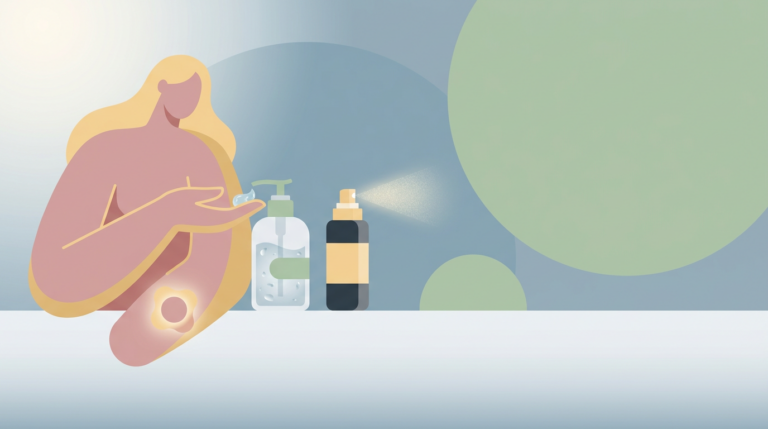
This is because the production of estrogen decreases, a hormone that is essential for maintaining skin hydration and elasticity. As a result, your skin can become thinner, less supple, and more sensitive. It is then important to adjust your skincare routine and choose products that intensively hydrate and support the skin barrier. Examples include creams with ingredients such as hyaluronic acid, glycerin, and ceramides that attract and retain moisture. It is also advisable to use gentle cleansers that do not strip the natural skin oils.
Skin care during the transition
For effective skin improvement during this period, a consistent approach is essential. In addition to using moisturizing creams, you can support the skin further with oil serums and night creams rich in antioxidants. These help the skin recover and protect it from external influences. Additionally, it is important to drink enough water, which contributes to hydration from within. While the focus here is on skin care, it is worth noting that joints can also benefit from an overall healthy lifestyle, including sufficient exercise and a balanced diet. All of these measures can support overall well-being during menopause.
When is medical help advisable for symptoms?
The moment to seek medical help for symptoms that may be associated with menopause is often a personal decision. If the physical or mental discomforts seriously affect your daily functioning, such as persistent sleep disorders, debilitating hot flashes, or significant changes in mood that affect your well-being, a consultation with a doctor is recommended. Medical advice is also useful when you are unsure about the nature of the symptoms, or when self-care measures do not yield sufficient results. Your doctor can then make a diagnosis and work with you to find suitable treatment options. You can find reliable information about illness and health, for example, on Thuisarts.nl, a platform created by doctors for doctors.
Advantages of a specialized treatment plan
A specialized treatment plan offers various benefits when experiencing transition symptoms. First, an expert provides an accurate diagnosis and exclusion of other conditions, which can provide reassurance. Next, a doctor can develop a treatment strategy specifically tailored to your unique symptoms and health profile. This can range from lifestyle advice to medication support, such as hormone therapy. A personalized plan not only helps effectively address the discomfort but also gives you back control over your health. It enables you to make informed decisions and actively work towards regaining your vitality, supported by medical expertise.
Conclusion on transition complaints
The transition often causes significant symptoms such as hot flashes, sleep problems, and mood swings due to fluctuating estrogen and progesterone levels. Understanding how these hormones affect your sleep, bones, skin, and emotional balance helps you identify your transition symptoms and take more targeted action. There are scientifically proven options, such as hormone therapy, that can provide relief. If symptoms affect your daily functioning, contact your GP or gynecologist to discuss a customized treatment plan together.
Note when symptoms appear, what aggravates or alleviates them, and what impact they have on work and personal relationships. Discuss your medical history and preferences so that the plan truly suits you. Keep track of progress so that you and your healthcare provider can assess effectiveness and adjust as needed. This will help you approach it practically and take control of your situation and quality of life.
Frequently asked questions
What are the first signs of menopause in women?
The first signs of the transition are often subtle and include common complaints such as hot flashes, night sweats, sleep problems, and mood swings. These are not always directly linked to the transition, but are early indicators of hormonal changes.
What role does estrogen play in my sleep during menopause?
Estrogen has a significant impact on your sleep patterns, especially during menopause. A decrease in this hormone can lead to sleep problems such as difficulty falling asleep, waking more often, and a less deep sleep, which affects your night’s rest.
How do I recognize mental fluctuations caused by hormones during menopause?
Mental fluctuations due to hormones are often characterized by irritability, a faster emotional response, and inexplicable mood swings. These emotional and cognitive symptoms are characteristic of the hormonal changes during menopause.
What helps against transition symptoms according to science?
According to science, hormone therapy (HT) offers an effective option for reducing menopausal symptoms. This treatment replenishes hormones such as estradiol, which decrease during menopause and can provide relief from symptoms after just a few weeks.
How long do transition symptoms usually last?
The duration of transition symptoms varies from woman to woman, but they can last from a few years to more than a decade. Although the intensity varies, the first signs often begin around the age of 45 and can continue into post-menopausal years.
When is it advisable to seek medical help for transition symptoms?
It is advisable to seek medical help when physical or mental discomfort seriously affects your daily functioning. This includes persistent sleep disorders, debilitating awakenings, or severe mood swings that affect your quality of life.