Book Appointment Now


Why do older adults fall asleep during the day and when is it a sign of something more
Why do older adults fall asleep during the day and when is it a sign of something more
When elderly people fall asleep during the day, it often happens because your sleep-wake cycle changes due to hormonal shifts and adjustments in your metabolism. If the sleepiness is frequent, sudden, or interferes with your daily activities, it is a sign that there may be an underlying disturbance and not a normal consequence of ageing.
It indicates disruptions in your energy balance and the regulation of sugars and hormones. Take it seriously if you want to maintain your long-term health and wellbeing and continue to live an active life.
Table of contents
Why is falling asleep during the day in older adults a metabolic signal?
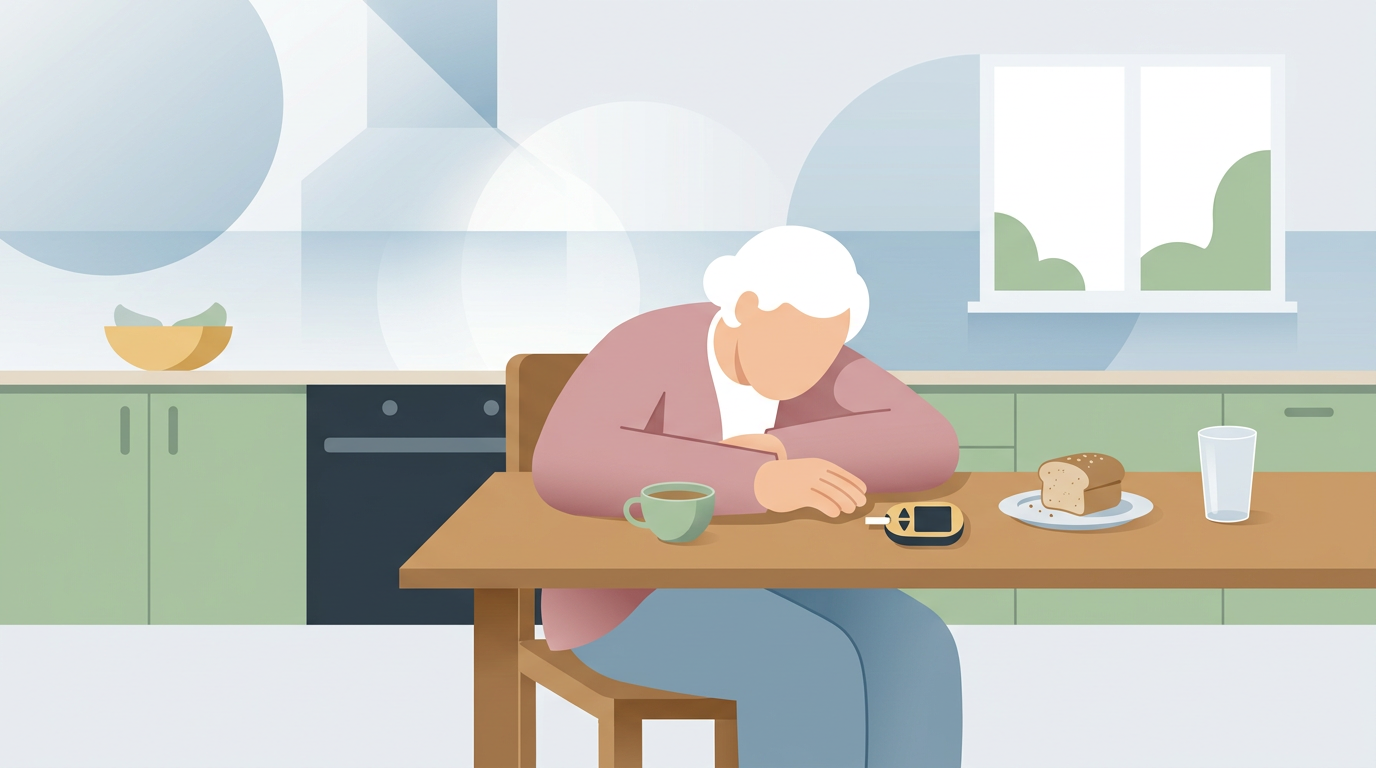
Falling asleep during the day in older people can be an indication of underlying metabolic dysregulations, such as insulin resistance or abnormalities in blood sugar regulation. This phenomenon, often referred to as excessive daytime sleepiness, is not always a normal part of ageing. The body may be trying to correct or recover from an imbalance through sleep. Disturbed sleep quality at night can lead to a greater need for sleep during the day, which in turn can further affect metabolic health. You see this in some people who are overweight or have metabolic complaints.
Sleep-wake cycle disturbance
The disruption of the sleep-wake cycle, where as an older person you fall asleep during the day, may be directly related to the efficiency with which your body uses and stores energy. When your metabolism is not functioning optimally, for example due to fluctuations in blood sugar levels, this can lead to energy dips and extreme fatigue during the day. This may mean that you struggle to maintain a stable energy supply, which in some people manifests as a strong urge to sleep.
How do hormones affect the sleep cycle during ageing?
Hormones play a crucial role in regulating the sleep-wake cycle, and changes in hormone balance can lead to older people falling asleep more often during the day. Melatonin, the ‘sleep hormone’, may change with age, which can disrupt the internal body clock and affect sleep quality at night. This often results in an increased need for rest during the day. Thyroid hormones, cortisol and growth hormone can also play a role in energy levels and alertness. An imbalance in these hormones can contribute to fatigue and the tendency to fall asleep during the day, which significantly affects an individual's vitality.
Sleep quality and daily vitality
When sleep is fragmented at night or of insufficient depth, this can contribute to persistent fatigue and reduced functioning during the day. This manifests not only as a tendency to fall asleep during the day, but also as concentration difficulties, mood swings and a lower resistance that you experience. Our lifestyle coaching focuses on sustainable behavioural change and vitality, with attention to a balanced hormone system and sleep rhythm forming an important pillar for optimising energy throughout the day. Live more actively and healthily.

What is the role of insulin in daytime fatigue?
Insulin plays a crucial role in the body's energy regulation and can indirectly contribute to excessive daytime sleepiness, particularly in older adults. When the body becomes less sensitive to insulin, a condition known as insulin resistance, cells are less efficient at absorbing glucose. This leads to fluctuations in blood sugar levels: high spikes after meals followed by subsequent dips. Such irregularities can contribute to energy slumps and a feeling of fatigue, which in some increases the likelihood of nodding off during the day. Especially in older individuals, this can affect daily activity and reduce quality of learning. Understanding falling asleep during the day in older adults is necessary to address it effectively.
Inefficient metabolism and inflammation
Inefficient metabolism and chronic inflammation are closely linked to insulin resistance and contribute to daytime fatigue. When your metabolism does not function optimally, for example due to an unbalanced diet or lack of exercise, this can further impair insulin sensitivity. This creates a vicious circle in which an inefficient energy balance leads to increased fatigue. Furthermore, chronic inflammation, often associated with insulin resistance and metabolic dysfunction, can release inflammatory mediators that directly affect your central nervous system and cause a feeling of sleepiness. Together, these factors explain why excessive daytime sleepiness is a complex problem in older people that goes beyond mere sleep quality.
How do you recognise excessive sleepiness caused by a slow metabolism?
Excessive daytime sleepiness, particularly in older people, can be a sign of a slow metabolism. You often recognise this by constant fatigue, even after sufficient sleep at night, and a tendency to fall asleep during the day. Other indicators are difficulty concentrating, weight gain despite normal eating habits and a general lack of energy. These symptoms can start subtly and in some cases gradually become more severe, which may affect your daily functioning. It is of great importance to take these signs seriously, as they indicate underlying processes that undermine your vitality and health. Early recognition helps to address the cause in good time.
Metabolic inefficiency and cellular ageing
Metabolic inefficiency and cellular ageing play a crucial role in daytime sleepiness in older adults. As you get older, metabolism naturally slows down, which affects energy production within your cells. When your cells convert energy less efficiently, this can contribute to a feeling of constant exhaustion and, in some, a need to sleep during the day. This inefficiency is exacerbated by factors such as chronic inflammation, hormonal imbalances, and a less active lifestyle. Optimising cellular function and supporting a healthy metabolism, for example through targeted lifestyle adjustments and medical guidance where appropriate, can help to break this vicious cycle and improve your energy levels.
Why does an altered cortisol level disrupt sleep?
A disrupted cortisol level, particularly when it remains too high in the evening, can significantly disrupt sleep. Cortisol, also known as the stress hormone, naturally peaks in the morning to give you energy and gradually decreases throughout the day. When this rhythm becomes disrupted in older people, for example due to chronic stress, medication or underlying conditions, the body can remain in a state of heightened alertness for longer. This makes it difficult to fall asleep and sleep deeply, which can lead to insufficient recovery. Such a disruption contributes to the phenomenon of daytime somnolence in older people, as you try to compensate for the missed rest, often at inconvenient times.
Catching up on sleep debt during the day
Compensating for sleep deprivation during the day can be linked to a disrupted cortisol cycle that hinders nighttime recovery processes. If you do not get enough deep sleep at night, your body will try to make up for these deficits during the day. This manifests as unwanted sleepiness, concentration problems, and an overall feeling of exhaustion. For older people, this is particularly problematic, as overall sleep quality often already declines with age. Addressing the causes of elevated cortisol levels, such as stress management and optimising lifestyle factors, is therefore crucial to improving night-time sleep and reducing daytime falling asleep in older adults.
Are short naps healthy for the hormonal balance of older adults?
Short naps can be a double-edged sword for the hormonal balance of older adults. Although a short power nap can temporarily improve alertness and performance, it is important to distinguish whether these naps stem from fatigue that indicates an underlying issue. When it frequently happens that older adults during the day in sleep falling, can this point to disturbances in the circadian rhythm or other health issues that affect sleep quality at night. A healthy hormonal balance is primarily supported by consistent night-time sleep and not by compensatory naps that can further disrupt the sleep cycle.
Need for medical evaluation
The need for medical evaluation is crucial when you notice that you or your loved ones frequently fall asleep during the day. This unintentional falling asleep can be a sign of more than just fatigue; for example, it may indicate conditions such as sleep apnoea, thyroid problems or diabetes, which can affect the hormonal system. It is very important to discuss this pattern with a healthcare professional. A doctor can investigate the cause of the excessive daytime sleepiness and, if necessary, offer targeted advice or treatments to optimise overall health and thereby the hormonal balance. This can contribute to a better quality of life and help to limit potential complications.
When is daytime napping in older adults medically concerning?
If napping during the day becomes a pattern and is accompanied by other symptoms, such as memory problems, mood swings or unexplained weight loss, then there is cause for medical attention. Although an occasional nap can be completely normal, persistent daytime sleepiness indicates a possible underlying condition that requires further investigation. This could include sleep apnoea, thyroid problems or even neurological conditions. You take these signs seriously because they can significantly affect the quality of life and early diagnosis is necessary for effective intervention. Pay attention to whether the frequency or intensity of the naps increases.
Inflow of light and vitamin D status
Natural light and vitamin D status play an important role in regulating the sleep-wake cycle and overall energy, which influences daytime napping in older people. Insufficient exposure to daylight can affect the regulation of melatonin, the hormone that makes you sleepy in the evening, and thus reduce daytime alertness in some people. A vitamin D deficiency, which is common in older people, is also associated with fatigue and sleep problems. Sufficient daylight and an optimal vitamin D level are therefore necessary for a healthy energy balance, which can reduce the tendency to doze off during the day.
How does nutrition affect alertness during the afternoon hours?
Diet has a direct influence on how alert you are, especially as you get older and may suffer from daytime sleepiness. Foods high in fast-acting sugars cause a rapid rise and fall in blood sugar levels, resulting in an energy crash. These fluctuations can worsen frequent dozing off in older people. A stable blood sugar level can contribute to a more constant supply of energy and help to stay awake and concentrated throughout the day. Therefore, you should choose foods that affect blood sugar gradually, such as complex carbohydrates, proteins and healthy fats. This supports steady alertness and reduces the tendency to doze.
Role of nutrition in sleep and rhythm
The composition of your meals can play an important role in preventing afternoon drowsiness. A meal containing protein and fibre can slow down the absorption of glucose, which can help reduce spikes and troughs in blood sugar levels. This can be particularly valuable for older people who struggle with unwanted falling asleep. Furthermore, the timing of your meals influences your circadian rhythm, the internal clock that regulates your sleep-wake cycle. Regular meals at fixed times can support this rhythm, whereas irregular eating patterns can disrupt it and increase the likelihood of unwanted naps. A personal health check can give you insight into which dietary strategies best suit your specific needs to optimise alertness.
How does less daylight affect the internal body clock?
Reduced exposure to daylight can significantly disrupt the body's internal clock, also known as the circadian rhythm. As a result, you fall asleep more easily during the day, especially if you are older. Without sufficient light signals to correctly set the day and night cycle, this internal clock becomes desynchronised. The consequence is a shift in sleep patterns, whereby the need for sleep presents itself at undesirable times. A lack of bright light, particularly in the morning, reduces the production of hormones that stimulate alertness. This can lead to a groggy feeling and a tendency to doze off easily, even after a night of sufficient rest.
Influence of daylight on melatonin
When the biological clock is disrupted by too little daylight, this can be linked to a disturbed regulation of melatonin, the hormone that promotes sleep. Normally, melatonin follows a clear day-night pattern, but in the absence of daylight this cycle may deviate in some cases. This can result in less deep sleep during the night and an increased tendency to daytime drowsiness. Consistent exposure to sufficient daylight, particularly in the morning, helps support the internal clock and can reduce unwanted falling asleep during the day.
How do you improve sleep quality via metabolic support?
Improving your sleep quality through metabolic support focuses on optimising the processes that produce and consume energy in your body. This can offer a solution when you struggle to stay awake during the day. A stable blood sugar level throughout the day and night is crucial here; fluctuations can disrupt your sleep cycle and lead to fatigue. By focusing on nutrition rich in fibre, protein and healthy fats, you can reduce those peaks and troughs in your blood sugar. A more consistent energy supply ensures that you wind down better in the evening and sleep more deeply at night. A well-functioning metabolism is the foundation for a restorative night's sleep.
Personal coaching and vitality
Personal guidance and vitality play a crucial role in addressing unwanted daytime sleepiness, especially among older people. With an expert approach, you can gain insight into your specific metabolic needs and learn how to adapt your lifestyle accordingly. This includes not only nutritional advice, but also guidance on exercise and stress management, components that directly influence your metabolism and sleep. The goal is sustainable change, where you learn to listen to your body's signals and proactively support your vitality. In this way, you build a healthier sleep pattern and reduce the tendency to doze off unwantedly during the day, which benefits your overall well-being.
Sources: I might want to start on hormones use for hot flushes going through the menopause | Thuisarts
Conclusion: older adults falling asleep during the day
The tendency for older adults to fall asleep during the day is often more than just fatigue; it can be an important sign of underlying metabolic and hormonal imbalances. Think of insulin resistance, disruptions in melatonin and cortisol, and a slowed metabolism due to chronic inflammation. These factors significantly affect your sleep-wake cycle and your energy level throughout the day. It is essential to take these signals seriously. If you notice that you nod off unintentionally during the day or remain persistently fatigued, it is worth investigating this further. A first step is to map out your personal situation. Make a note of when and for how long you sleep during the day, what you ate shortly beforehand, and which medicines you use. Also observe your mood and how much exercise you get. With this information, you can consult your GP or a sleep specialist more effectively and determine subsequent steps together.

