Book Appointment Now


Lowering cholesterol by understanding what LDL and HDL do
Lowering cholesterol plays a crucial role in various bodily processes, from hormone production to the formation of cell walls. However, an imbalance in this process can indirectly affect your energy levels and metabolic health. It is therefore important to understand what lowering cholesterol actually means, what types there are, and how to promote a healthy balance. Discover the facts behind the values that matter and how lifestyle adjustments contribute to your vitality. Table of contents
- What is cholesterol and how does it affect your energy?
- How can you effectively lower your cholesterol in 2026?
- What is LDL cholesterol and what is a normal value?
- How do HDL and non-HDL cholesterol work together in your blood?
- Which fats form the foundation of a healthy diet?
- How do you combine movement with a busy and tiring life?
- Why does fiber-rich diet help lower cholesterol?
- How does prolonged stress affect your cholesterol levels?
- What is the role of heredity in high cholesterol levels?
- How do you keep your barrels clean and smooth in the long term?
What is cholesterol and how does it affect your energy?
Cholesterol is a fatty substance that is essential for various body processes. This includes the production of hormones and vitamin D, as well as the formation of cell walls. It is therefore not a harmful substance in itself, but is essential for your well-being. The body produces cholesterol on its own, but you also get it from food. There are different types of cholesterol, and we often talk about LDL and HDL cholesterol levels. A good understanding of the function of LDL and HDL cholesterol is fundamental for maintaining a healthy cholesterol balance.
It is important to emphasize that a high cholesterol level, although invisible, can have significant consequences for overall health, even if someone feels fit. The overall mission of IKARIA Clinics is to make this type of complex medical information accessible, so that informed choices about health can be made.
Hormone production and energy levels
Although cholesterol itself does not provide direct energy in the sense of calories, it plays a crucial role in hormone production, which indirectly affects energy levels. Cholesterol is, after all, the building block of steroid hormones such as testosterone, estrogen, progesterone, and cortisol. These hormones regulate numerous bodily functions, including metabolism, stress response, and energy levels. A disruption in cholesterol metabolism may therefore potentially affect the hormone balance, which can manifest as fatigue or a general sense of low vitality.
It is therefore important to not only look at total cholesterol, but also at the ratio between the different cholesterol levels, such as LDL and HDL cholesterol, to get a comprehensive picture of metabolic health and how this can affect energy.
How can you effectively lower your cholesterol in 2026?
To effectively lower your cholesterol, it is important to understand the different types of cholesterol. Cholesterol is a fatty substance that your body needs for things like the production of hormones and cell walls. However, too much of the wrong type can cause problems. LDL cholesterol, often referred to as ‘bad’ cholesterol, transports cholesterol from the liver to the rest of the body. When its concentration is too high, it can accumulate in the blood vessels, which can eventually lead to blockages and cardiovascular diseases. It is therefore important to pay attention to this, especially if you are aiming for better metabolic health.
Medical target values for LDL cholesterol
Medical guidelines indicate that a healthy LDL cholesterol value is crucial for maintaining cardiovascular health. Your doctor will determine, based on your personal situation, what a suitable target value for you is, and what steps you can take to achieve it. Monitoring these values, for example through regular blood tests, is an important step in proactively managing your health.

What is LDL cholesterol and what is a normal value?
LDL cholesterol, also referred to as the ‘bad’ cholesterol, is essential for transporting cholesterol through the body. This lipoprotein carries cholesterol from the liver to the body’s cells. When there is too much LDL cholesterol in the bloodstream, it can accumulate in the inner walls of the blood vessels. This can lead to the formation of plaque, which can narrow the blood vessels and hinder blood flow.
Over time, this can increase the risk of cardiovascular disease. Understanding the function of LDL is of great importance for anyone who aims to lower cholesterol levels, especially because a high concentration often does not cause any immediate symptoms. Many people feel fine, but discover an elevated value during a check-up, which underscores the importance of regular monitoring.
Individual assessment of LDL cholesterol
The ‘normal value’ for LDL cholesterol is not a fixed number, but is influenced by various factors, including a person’s individual risk of cardiovascular disease. Generally, healthcare professionals aim for the lowest possible LDL cholesterol value, especially in people with an elevated risk profile. It is essential that these values are assessed by a doctor, as they take into account the overall state of health and medical history. It is therefore not only important to know the level of your LDL cholesterol, but also to understand what this specific value means for you personally in the larger context of your overall health. This understanding is fundamental for an effective approach to lowering cholesterol.
How do HDL and non-HDL cholesterol work together in your blood?
HDL cholesterol and non-HDL cholesterol play a crucial role in the transport of fats through your body, and the balance between them is important for your metabolic health. HDL, often referred to as ‘good’ cholesterol, helps transport excess cholesterol from tissues back to the liver, where it can be broken down and excreted. This process contributes to preventing the build-up of plaque in blood vessels. Non-HDL cholesterol includes all other forms of cholesterol, including LDL (‘bad’ cholesterol), VLDL and IDL, which transport cholesterol to the tissues instead. A high non-HDL level, especially LDL, can lead to deposits in the blood vessels, which can hinder blood flow.
Meaning of the LDL/HDL ratio in the long term
The ratio between these two types of cholesterol, often expressed as the LDL or HDL ratio or the non-HDL cholesterol value, provides a more complete picture of the risk of cardiovascular disease than just the total cholesterol value. A favorable ratio indicates efficient cholesterol metabolism, with sufficient ‘good’ cholesterol present to neutralize the ‘bad’ cholesterol. Understanding this interaction is important for anyone who wants to lower their cholesterol and improve overall vitality. At IKARIA Clinics, you will see that understanding these values helps you make informed choices, without making absolute promises about healing or quick solutions, but by focusing on sustainable lifestyle changes.
Which fats form the foundation of a healthy diet?
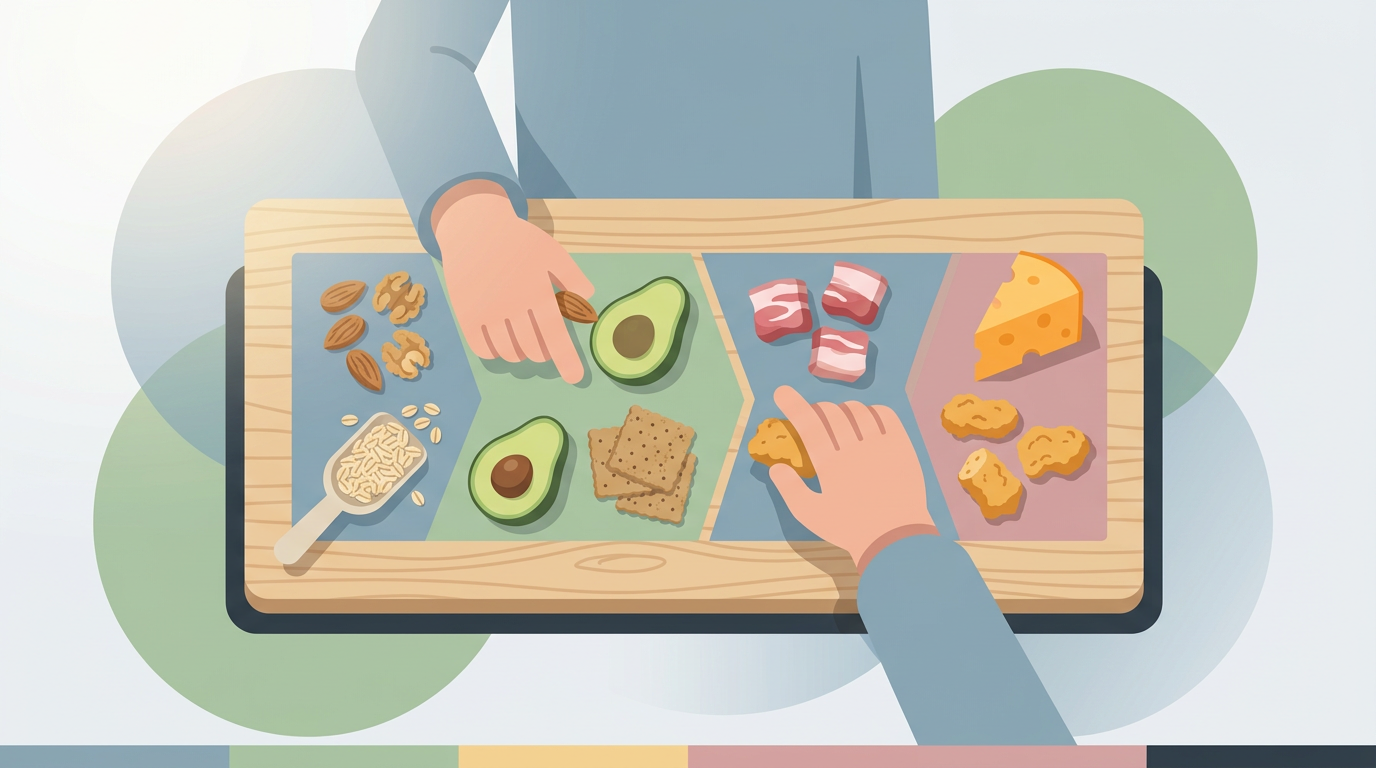
A balanced diet with the right fats is fundamental for your overall metabolic health and can help lower cholesterol levels. Not all fats are created equal; the distinction between saturated and unsaturated fats is crucial here. Unsaturated fats, found in nuts, seeds, avocados, and fatty fish, support the production of beneficial HDL cholesterol. On the other hand, saturated fats, mainly found in animal products and processed foods, can increase LDL cholesterol levels. By consciously choosing sources of unsaturated fats, you can establish an important foundation for a balanced cholesterol profile and may contribute to vitality.
Influence of unsaturated fats and specific foods
The impact of unsaturated fats on your cholesterol profile is significant. Polyunsaturated fats, such as omega-3 and omega-6 fatty acids, and monounsaturated fats can contribute to lower LDL cholesterol levels when replacing saturated fats. Foods rich in these fats, such as nuts, seeds, vegetable oils, and fatty fish, are valuable additions to your diet. The Nutrition Center emphasizes the importance of these fats for a healthy eating pattern. By increasing the consumption of foods rich in unsaturated fats while simultaneously limiting the intake of saturated fats, you can contribute to maintaining healthy cholesterol levels and supporting metabolic function. For more background information, see Lowering high cholesterol.
How do you combine movement with a busy and tiring life?
In a busy and stressful life, it can be challenging to schedule exercise, while exercise contributes to metabolic balance and can support lowering cholesterol. It is important to set realistic goals and start with small, achievable steps. Examples include short walks during breaks, active movements like cycling, and short stretching exercises. Listen to your body and don’t force it; consistency is more important than intensity. By gradually building up exercise, you can improve energy levels without overwhelming yourself, which is crucial for sustainable health improvements.
Practical tips for movement in the routine
An effective strategy is to integrate movement into your daily routine so that it does not become an extra burden. Practical adjustments can include taking the stairs instead of the elevator, or getting up and moving during phone calls. Also, planning short, but regular exercise sessions can help, for example several short sessions per week of moderate intensity. The goal is to find a rhythm that fits your energy level and schedule, and to see movement as an investment in vitality rather than a requirement. In this way, every step contributes to your well-being and supports your efforts to influence your cholesterol.
Why does fiber-rich diet help lower cholesterol?
Fiber-rich foods play an important role in lowering cholesterol, especially through the way it works in your digestive system. Soluble fiber, which is found in oats, fruits, and legumes, binds to bile acids in the intestines. These bile acids are made from cholesterol and are necessary for the digestion of fats. Through this binding, bile acids, along with the fiber, are excreted in the stool. This means that your body has to use more cholesterol to make new bile acids, which ultimately leads to a decrease in the cholesterol concentration in your bloodstream.
Fiber-rich diet for busy schedules
For those with a busy schedule who want to implement sustainable lifestyle changes to lower cholesterol, high-fiber foods are a great option. For example, you can start your day with a bowl of oatmeal or whole-grain bread. For lunch, choose a salad full of vegetables and legumes, and opt for whole-grain pasta or millet rice in the evening. These simple, conscious choices are easy to incorporate and significantly contribute to your fiber intake without requiring drastic changes to your daily routine. The Nutrition Center offers practical tips and recipes for this (Nutrition Center).
How does prolonged stress affect your cholesterol levels?
Long-term stress can have a significant impact on your cholesterol levels, contributing to the need to lower your cholesterol. When you are under chronic stress, your body produces more stress hormones such as cortisol. These hormones can stimulate the liver to produce more cholesterol while simultaneously slowing the breakdown of LDL cholesterol. This can lead to an adverse shift in your lipid profile, with the ‘bad’ LDL cholesterol rising and the ‘good’ HDL cholesterol possibly falling. These changes are a significant factor in the risk of cardiovascular problems, especially for people already susceptible to metabolic disorders.
Stress management for healthy vessels
The impact of stress on your cholesterol levels is a complex interplay of hormonal reactions and metabolic processes. In addition to the direct production of cholesterol, stress can also lead to unhealthy lifestyle choices, such as less exercise, unhealthy eating, and poor sleep, which in turn have a negative impact on your blood values. Addressing stress is therefore a fundamental part of a strategy to lower your cholesterol and improve your overall metabolic health. It is crucial to understand that an integrated approach, encompassing both nutrition and exercise as well as stress management, is most effective for a sustained improvement in your values.
What is the role of heredity in high cholesterol levels?
Inheritance plays a significant role in the level of your cholesterol levels, meaning that a predisposition to elevated cholesterol may run in the family. Some people have genetic variants that influence the way their body produces, processes, or removes cholesterol. This can result in higher LDL cholesterol levels, even with a healthy lifestyle. It is important to be aware of this, because while you cannot change your genes, you can limit their influence by making active choices. Recognizing this genetic component is a first step in targeting your cholesterol levels.
Human approach to genetic predisposition
When there is a genetic predisposition to elevated cholesterol, this requires a specific, human approach. This means that, in addition to lifestyle adjustments such as diet and exercise, you may need additional guidance from a healthcare professional. Together, you can develop a personalized plan that takes into account your unique genetic profile. This approach can go beyond general advice and focus on strategies that are effective for you personally, helping to lower your cholesterol and support metabolic health, even with an inherited factor.
How do you keep your barrels clean and smooth in the long term?
To keep your blood vessels clean and supple in the long term, a consistent and holistic approach to your lifestyle is essential. This includes more than just paying attention to your diet; it also involves getting enough movement, managing stress, and avoiding harmful habits. By balancing these elements, you support the natural processes of your body that contribute to healthy vessels. It is an ongoing process that requires attention, but the investment in your health pays off in vitality and a reduced risk of cardiovascular problems. A proactive approach helps you exert influence on your metabolic health.
Integrated approach for proactive health management
IKARIA Clinics emphasizes the importance of an integrated approach to proactive health management, which incorporates all factors influencing vascular health. This means going beyond symptoms and addressing the underlying causes of imbalance. By delving into the interplay between nutrition, exercise, stress, and sleep, you gain insight into how you can actively contribute to the maintenance of healthy blood vessels. This holistic approach enables you to make informed choices tailored to your personal situation and goals, aimed at lasting vitality.
Conclusion: Lowering cholesterol
Effectively addressing cholesterol is an important step towards better metabolic health and greater vitality. You now have an understanding of the role of LDL and HDL, the significance of non-HDL values, and how you can influence your cholesterol profile through diet, exercise, and stress management. Remember that cholesterol not only affects the blood vessels but also has an indirect relationship with your hormone balance and energy levels. Do you want to gain a deep and personal understanding of your cholesterol levels and their effects on your overall health? At IKARIA Clinics, we are ready to support you with scientifically based information and guidance, so that you can make informed decisions for your well-being.