Book Appointment Now



What is a metabolic disease and how do you recognize it?
An metabolic disorder is an imbalance in your metabolism, where the conversion of food into usable energy and building materials is hampered. In adults, this often goes hand in hand with hormonal stimuli such as insulin and thyroid hormone, causing weight loss to feel sluggish and fatigue to persist, even when you eat less or move more. You’re not looking for a quick fix, but medical clarity with measurable metrics, from waist circumference to blood tests for long-term glucose regulation. What does that mean? Persistent belly fat, why does your appetite keep playing up at the wrong times, and what patterns in your daily routine are putting your metabolism on hold? Discover what to watch out for to achieve more targeted, safer, and lasting results. Table of contents
- What is an metabolic disease exactly in adults?
- How do you recognize early signs of metabolic complaints?
- What types of conditions are common in older adults?
- How does hormonal metabolism affect your weight?
- Insulin and the consequences of an impaired metabolism
- How can you speed up your metabolism in a healthy way?
- What influence does nutrition have on a metabolic disease?
- How do you combine movement with slow burning?
- Why is medical guidance in metabolic care crucial?
- How do you maintain a healthy balance in your daily lifestyle?
What is an metabolic disease exactly in adults?
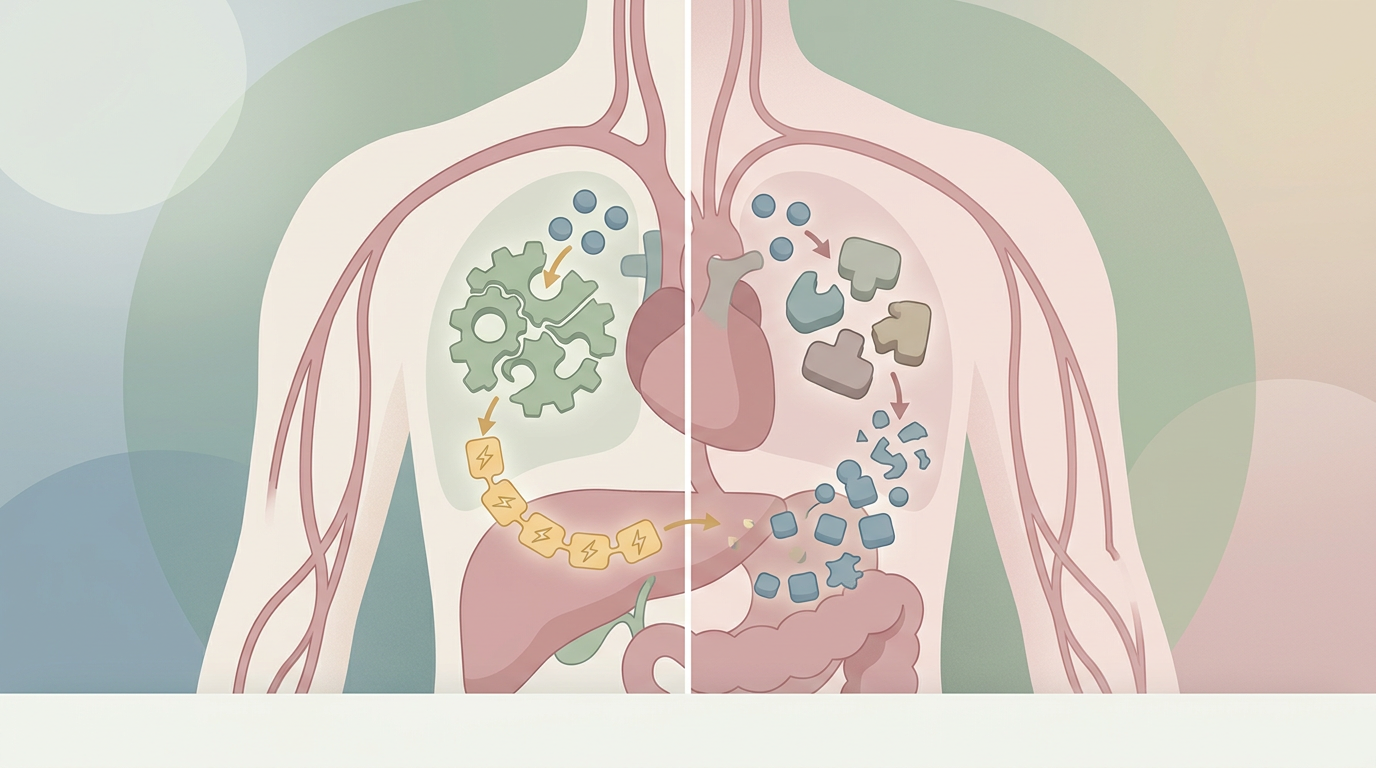
A metabolic disorder is a condition in which processes in your body that convert nutrients into energy or building materials do not function properly. This can lead to an excess or deficiency of certain substances, which disrupts normal bodily functions. In adults, it often involves acquired conditions that develop through a combination of genetic predisposition and lifestyle factors. Examples include conditions such as type 2 diabetes, thyroid problems, or gout, all of which are related to an impaired metabolism. It is important to understand that these diseases can affect energy metabolism and the functioning of organs, which can lead to changes in your overall well-being.
Interaction of genetics and environmental factors
The development of a metabolic disease in adults is often a complex interplay between your genetic predisposition and environmental factors, such as diet, exercise, and stress. While you cannot change your genes, lifestyle choices play a crucial role in whether or not a predisposition to a metabolic disease manifests itself. An unhealthy lifestyle can speed up or slow down metabolism in an undesirable way, increasing the risk of developing the condition. It is therefore not a matter of ‘either-or’, but rather ‘and-and’, with both elements contributing to the risk of developing such conditions over the course of your life.
How do you recognize early signs of metabolic complaints?
Early recognition of metabolic symptoms is crucial for maintaining your health. These symptoms often manifest subtly and can range from persistent fatigue, unexplained weight gain around the abdomen, to concentration problems and mood swings. Although the top 10 search results in this area often focus on hereditary and pediatric metabolic disorders, it is important to realize that many metabolic conditions in adults are acquired and are related to lifestyle factors. Therefore, pay close attention to changes in your energy level or body weight, and discuss them with a professional for an appropriate assessment.
Consequences and interconnections
Impaired metabolism, for example, can lead to insulin resistance, which in turn increases the risk of type 2 diabetes. Moreover, hormones such as thyroid hormones and stress hormones directly influence how your body processes and stores energy. This complex interplay means that a disruption in one area can quickly affect other functions, undermining overall vitality and health. IKARIA Clinics Emphasizes the importance of an integrated approach to understanding and optimizing the interconnections between your metabolism, hormonal balance, and lifestyle.
What types of conditions are common in older adults?
A common example is type 2 diabetes, where the body responds less well to insulin, leading to elevated blood sugar levels. Thyroid disorders, such as a slow thyroid gland (hypothyroidism), can also slow down metabolism and lead to symptoms such as fatigue and weight gain. Additionally, disorders of the adrenal glands and pituitary gland play a role, as these organs produce hormones that are crucial for a balanced metabolism. These disorders can significantly affect the vitality and overall health of older adults.
Misinterpretation of subtle signals
Misinterpretation of subtle signals poses an important challenge in recognizing metabolic problems in later life. Symptoms of a metabolic disorder, such as fatigue, weight changes, or cognitive complaints, are often mistakenly attributed to the normal aging process. This can lead to a delay in diagnosis and treatment. For example, a general malaise or lack of energy may indicate a hormonal imbalance affecting metabolism, rather than merely being ‘old age symptoms’. It is therefore of great importance to be alert to such changes and not simply dismiss them as inevitable, but rather to consider them as potential indicators of underlying conditions.

How does hormonal metabolism affect your weight?
Hormonal metabolism plays a crucial role in how the body processes and stores energy, which directly affects weight. Hormones such as insulin, thyroid hormones, cortisol, and leptin regulate processes such as fat storage, appetite, and energy consumption. A disruption in the balance of these hormones can lead to weight gain or difficulty losing weight. For example, when the body becomes less sensitive to insulin, this can lead to increased fat storage, especially around the abdomen. Understanding this complex interplay is crucial for understanding the causes of weight changes and how to effectively manage them. In our clinic, we see that a healthy hormonal balance forms the foundation for stable weight.
Interdependence of hormones
Several hormones interact with each other and create a complex network that controls metabolism. Leptin regulates satiety, while ghrelin stimulates hunger; an imbalance in this can lead to overeating. Thyroid hormones are also important, as they directly affect basal metabolism, the rate at which the body burns calories at rest. A sluggish thyroid can cause weight gain, even with unchanged food intake. Additionally, chronic stress can increase cortisol production, which can also stimulate fat storage and reduce sensitivity to insulin. Mapping these hormonal interactions is fundamental for a personalized approach.
Insulin and the consequences of an impaired metabolism
Insulin plays a crucial role in the way your body processes nutrients. This hormone, produced by the pancreas, regulates blood sugar levels by transporting glucose from the blood to the cells. There, glucose is used as a source of energy or stored for later use. When there is an imbalance in metabolism, the insulin levels can become out of balance. This can lead to insulin resistance, a condition in which the cells become less sensitive to insulin and the blood sugar level remains high. In response, the pancreas tries to compensate by producing more insulin, perpetuating a vicious cycle.
Long-term consequences of insulin resistance
The long-term consequences of insulin resistance are significant and can cause various health problems. When cells become continuously less sensitive to insulin, too much glucose remains in the bloodstream. This can damage the blood vessels and increase the risk of cardiovascular diseases. Ultimately, chronic insulin resistance can lead to type 2 diabetes, where the pancreas becomes exhausted and cannot produce enough insulin. In addition, insulin resistance is often associated with being overweight, particularly around the abdomen, and can contribute to inflammatory reactions in the body and other metabolic disorders.
How can you speed up your metabolism in a healthy way?
Speeding up a healthy metabolism requires an integrated approach that goes beyond rapid weight loss. A diet rich in protein, fiber, and healthy fats supports your metabolism. Regular physical activity, combined with a combination of strength and endurance training, stimulates muscle growth, which directly contributes to a higher resting metabolic rate. Additionally, stress management plays a crucial role, as chronic stress can disrupt hormones that affect metabolism. By balancing these elements, you optimize your body’s natural processes for more efficient conversion of nutrients. For more background information, see Dust mite disease.

Failing traditional diet methods
Traditional diet methods often fail because they primarily focus on calorie restriction without addressing underlying metabolic processes. Fast, extreme diets can actually slow down your metabolism, as your body enters a “survival mode” and stores energy more efficiently. This often results in the yo-yo effect, where lost weight quickly returns after discontinuing the diet. This approach ignores the complex interactions between hormones, gut health, and individual genetic predispositions that play crucial roles in weight management and metabolic health. Therefore, a sustainable approach requires a deeper understanding of how your body works, rather than focusing solely on the scale.
What influence does nutrition have on a metabolic disease?
Nutrition plays a fundamental role in the onset, management, and even prevention of metabolic disease. The nutrients you consume form the building blocks and energy source for all biochemical processes in your body. An unbalanced diet rich in refined sugars and unhealthy fats can disrupt metabolic pathways, leading to imbalances that can ultimately contribute to the development of conditions such as type 2 diabetes or elevated cholesterol. Your dietary choices directly influence the efficiency with which your body processes sugars and fats.
Nutritional strategy for metabolic health
Optimizing your metabolic health requires a well-thought-out nutritional strategy. This includes a diet rich in fiber, complex carbohydrates, lean proteins, and healthy fats. Think of whole grains, plenty of vegetables and fruits, legumes, and fish. Reducing the intake of processed foods and added sugars is crucial. These adjustments support stable blood sugar levels and promote healthy weight management, significantly reducing the strain on your metabolism and contributing to better overall vitality.
How do you combine movement with slow burning?
Still, targeted physical activity is an effective way to stimulate your metabolism and reduce the symptoms of a metabolic disorder. It’s not just about the amount, but especially about the type of movement you choose. For example, strength training helps build muscle mass, which is important because muscles use more calories at rest than fat tissue. In addition, cardiovascular training improves insulin sensitivity and overall fitness, making your body more efficient at converting nutrients. See more articles about what is metabolic disease and how do you recognize it.
Balanced training program
To be effective, it is crucial to follow a balanced training program that includes both strength and endurance. Start with light weights and gradually build up, while also paying attention to the duration and intensity of your cardio sessions. Consistency is key here; regular exercise, even in short bursts, is more effective than occasional long, hard workouts. Listen to your body and adjust the intensity, especially if you have an underlying metabolic disease, to avoid overexertion and achieve sustained progress.
Why is medical guidance in metabolic care crucial?
Medical guidance is invaluable in addressing metabolic disease, as the complexity of the human system requires an integrated approach. Without expert support, it is difficult to pinpoint the exact cause of metabolic complaints, as symptoms often overlap and can be influenced by various factors. A physician can employ the appropriate diagnostics, such as blood tests and other tests, to obtain a clear picture of your metabolic health. This prevents you from wasting time on solutions that do not suit your specific situation and lays a solid foundation for an effective treatment plan tailored to your unique needs and risk factors.
Medical support for metabolic problems
A medical professional not only provides insight into the underlying mechanisms of a metabolic disorder but can also monitor progress and, if necessary, adjust the treatment plan. This is crucial for long-term success and the prevention of complications. Imagine you are experiencing unexplained weight gain or chronic fatigue; a doctor can then determine whether this is related to, for example, thyroid dysfunction, insulin resistance, or other metabolic disorders. Additionally, medical guidance can help safely discontinue medication when your health improves, which is an important goal for many people actively working to improve their vitality. This provides a safe and scientifically based path to better metabolic health.
How do you maintain a healthy balance in your daily lifestyle?
Maintaining a balanced daily lifestyle is crucial for preventing metabolic disease and promoting overall vitality. This includes a combination of conscious dietary choices, regular physical activity, and adequate rest. By paying attention to the quality of your sleep and implementing effective stress management techniques, you support the natural processes that regulate your metabolism. A structured approach helps ensure stable health in the long term and contributes to resilient well-being.
The holistic approach of IKARIA Clinics
Our clinic recognizes that a healthy lifestyle requires a holistic approach that considers all aspects of your well-being. We provide insight into the complex relationship between your hormones, metabolic health, and daily habits, so you can make informed choices. Our information is designed to make medical knowledge accessible, empowering you to take control of your vitality. This holistic approach supports you in maintaining a healthy balance sustainably and preventing metabolic disease.
Conclusion: Metabolic disease
It is clear that metabolic disease in adults is a complex interplay of genetics, lifestyle, and hormonal influences. Early signs such as fatigue or unexplained weight gain are often indications that should not be ignored. Hormones such as insulin and thyroid hormone play a crucial role in metabolic health, with a disruption of these can lead to conditions such as insulin resistance and type 2 diabetes. It is of great importance to understand these connections and proactively manage your health. Do you want more insight into your own metabolic and hormonal balance and take concrete steps towards a more vital life? Our clinic is happy to assist you with expert advice and a personalized approach to optimize your metabolism.