Book Appointment Now



How stress management helps women after the transition into menopause
During the transition, many women experience challenges that go beyond physical symptoms; hormonal balance and mental well-being are also under pressure. Hormonal changes, such as fluctuations in estrogen and progesterone, can significantly affect the way your body responds to daily stressors. This can lead to an increased sense of tension, fatigue, and even mood swings. For women over forty, it is therefore important to adopt effective stress management strategies. By choosing the right approaches, you can minimize the effects of these changes and increase your resilience. Discover how to find inner peace and support your well-being through concrete steps.Table of contents
- What is stress management for women in transition?
- How does cortisol affect your hormone balance after your forties?
- Why is rest now more important for your energy than before?
- What role does nutrition play in reducing your stress level?
- How do you combine breathing exercises with a busy family life?
- Which supplements support your nervous system naturally?
- What are the best stress management techniques for 2026?
- How do you recognize the signs of an approaching hormonal burnout?
- Why does hiking in nature help with mental overload?
- How do you create an evening ritual for deeper sleep?
- Conclusion stress management
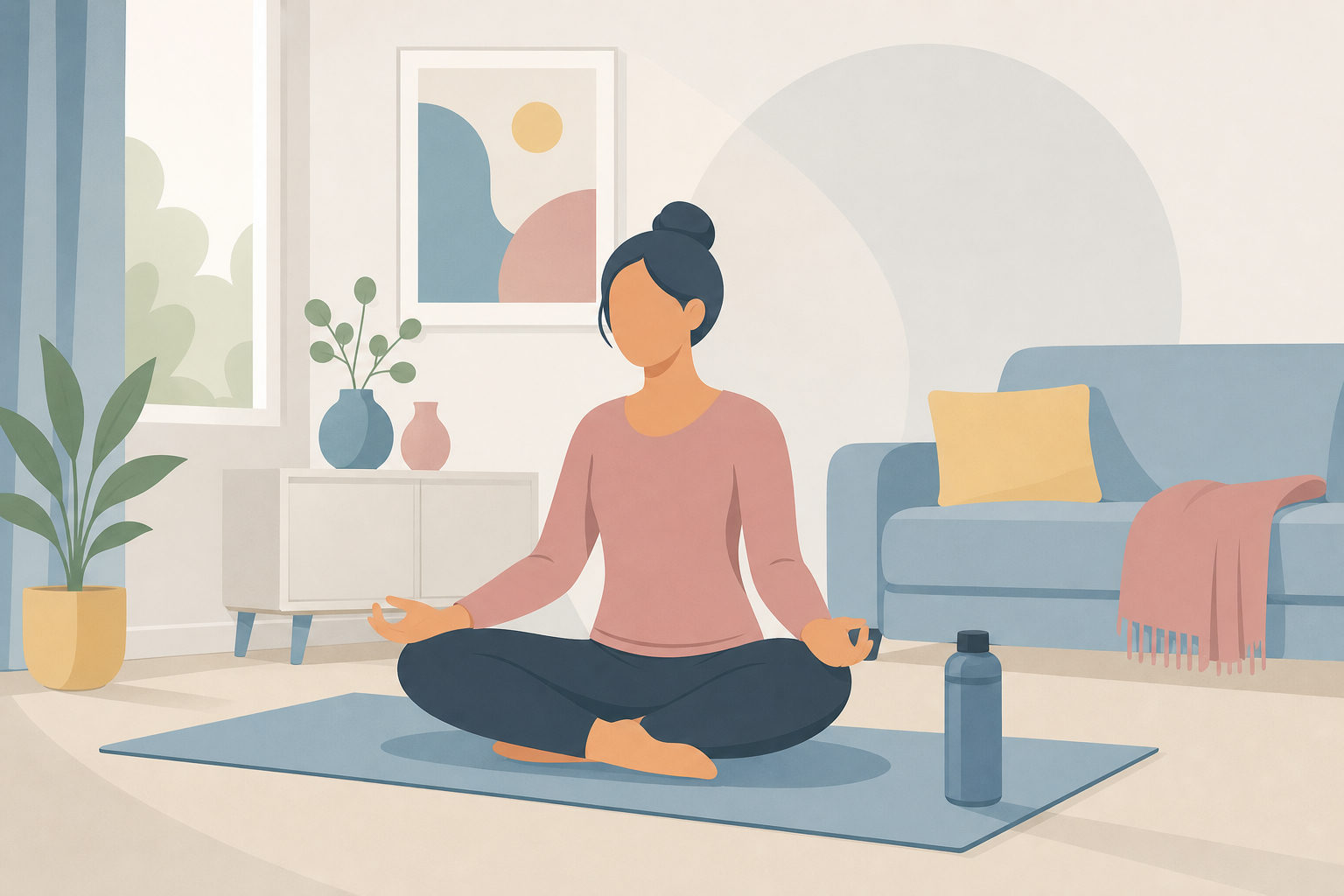
What is stress management for women in transition?
Stress management for women in the transition It includes a series of strategies and techniques aimed at reducing and effectively managing the stressors specific to this life stage. During the transition, also known as menopause or climacterium, many women experience physical and emotional changes, such as hot flashes, mood swings, and sleep problems, which can increase stress levels. Effective stress management helps you better cope with these symptoms and maintain your well-being. Think of techniques such as mindfulness or behavioral therapy to manage symptoms, or adjusting lifestyle habits — for example, drinking less alcohol to reduce hot flashes. It’s a proactive approach to limit the impact of hormonal changes on your daily life.
The need for a holistic approach
In addition to the immediate hormonal fluctuations, factors such as work pressure, family care, and general health also play a role. An approach that focuses solely on one aspect, such as hormone therapy alone, may miss the broader context. Therefore, it is important to take into account various aspects of your life.
Think about improving sleep, adjusting your diet, and scheduling relaxation. Information about the transition and related topics, such as ‘When can I stop using contraception?’, can help you make informed choices. Organizations such as the NVOG, FMS, and NHG also offer useful insights and support in finding a balanced approach.
How does cortisol affect your hormone balance after your forties?
After age 40, cortisol, the stress hormone, plays a greater role in the hormone balance. Due to natural hormonal changes, such as perimenopause and menopause, your body becomes more sensitive to the effects of stress. Some sources suggest that elevated cortisol levels can affect other hormones, which in some people can lead to symptoms such as hot flashes. It is therefore important to effectively manage stress. Drinking less alcohol and practicing mindfulness or behavioral therapy are concrete ways to reduce the intensity of these symptoms. Hormone therapy can also be an option, depending on your personal situation and needs.
Cortisol and hormonal imbalance
Cortisol and hormonal imbalances are closely linked, especially after you have passed the age of 40. Prolonged stress can have long-term effects on hormones; the exact effects on hormonal regulation vary from person to person. This can result in a wide range of symptoms, including sleep problems, mood swings, and decreased energy. Effective stress management that “IKARIA Clinics”By gaining insight into the interplay between stress and hormones, you can take targeted steps to improve your well-being and mitigate the effects of hormonal fluctuations. This helps you maintain your vitality and feel better.
Why is rest now more important for your energy than before?
As you get older, the way your body deals with stress and recovery may change. Hormonal shifts during periods like menopause can affect sleep and energy. Effective stress management and targeted relaxation can be supportive; individual experiences vary.
Proactive rest after the forties
Proactive rest after the age of 40 means not waiting until you are completely exhausted, but actively incorporating moments of relaxation and recovery. This is not a luxury, but a necessary step to support your hormonal balance and metabolic health. Consider methods such as mindfulness or behavioral therapy to better cope with discomforts, such as hot flashes, which can affect your sleep and therefore your energy levels (Thuisarts.nl). By consciously choosing rest moments, you give your body the opportunity to regenerate and prevent a downward spiral of fatigue and overload. This gives you a more stable energy level and a better overall quality of life.
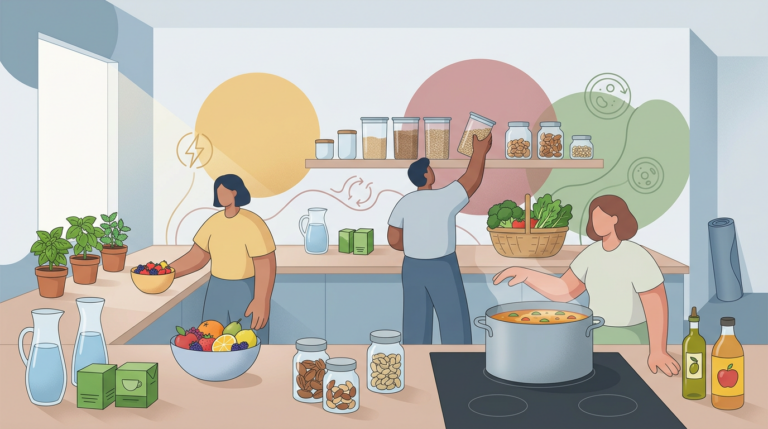
What role does nutrition play in reducing your stress level?
Nutrition plays an important, supportive role in stress management, especially during the transition. What you eat not only affects your physical well-being but also your mental well-being and energy levels. A balanced diet can help your body better cope with stressors, while unhealthy eating habits can actually worsen symptoms. This includes the impact on your hormone balance and the stability of your blood sugar levels, both of which have a direct relationship with how you experience stress. By consciously choosing nutritious options, you support your body in maintaining an internal balance and resilience.
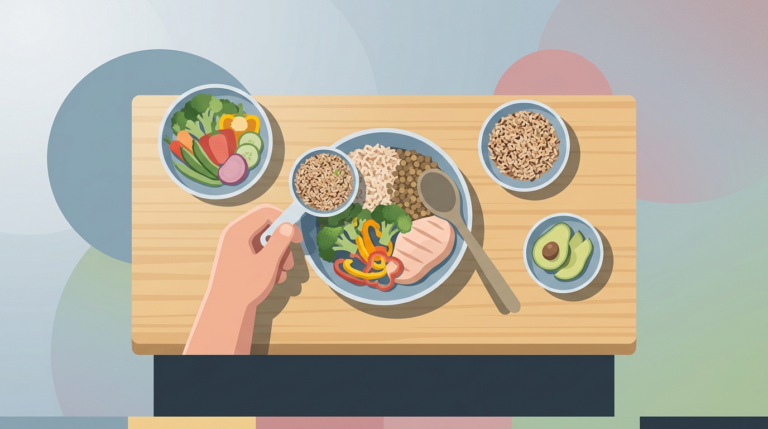
Stress-relieving nutrients during menopause
Certain nutrients can contribute to reducing stress symptoms during menopause. Magnesium, for example, is known for its calming effect on the nervous system and can be found in leafy green vegetables, nuts, and seeds. B vitamins, which are essential for energy production and brain function, also play a role; they are found in whole grains, legumes, and lean meat. Additionally, omega-3 fatty acids, found in fatty fish, are important for brain function and can help reduce inflammation, indirectly contributing to a more stable stress level. A varied intake of these nutrients is therefore crucial for effective stress management.
How do you combine breathing exercises with a busy family life?
Integrating breathing exercises into a busy family life requires conscious choices and realistic expectations, especially when dealing with hormonal changes. It’s not about large chunks of time, but about small, consistent moments that fit into your daily routine. For example, you can find a moment during cooking, in the car, or even shortly before you put your children to bed. This helps you find peace and increase your resilience, even amidst the hustle and bustle. Conscious breathing contributes to a calmer nervous system, which is beneficial for your overall health.
Practical, short breathing exercises
Practical, short breathing exercises are ideal for busy periods. Think of a simple belly breath, where you inhale deeply and feel your stomach expand, then exhale slowly. You can do this discreetly while waiting or during a brief moment alone. This exercise can be done briefly before bed to relax your body and promote sleep, which contributes to better stress management. It is the regularity, however brief, that makes the difference in dealing with daily challenges and maintaining your inner balance.
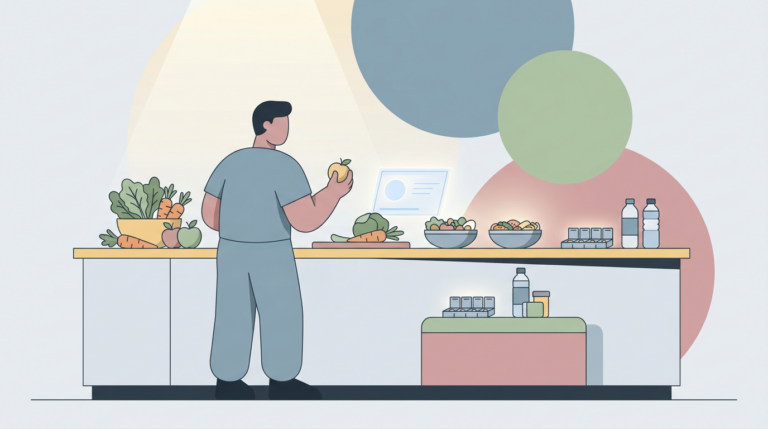
Which supplements support your nervous system naturally?
In addition to a healthy lifestyle, some supplements can complement stress management and support the nervous system. These include micronutrients that play a role in energy production and neurotransmitter balance, essential for stable mood and cognitive functions. Especially during periods of increased mental or physical stress, such as the transition, the need for these substances may increase. It is important to remember that supplements are a complement and not a substitute for a varied diet and a healthy lifestyle. A well-considered choice, possibly in consultation with a professional, is recommended to promote your well-being.

Effects of adaptogens and minerals
Some minerals, vitamins, and herbs are used to support stress; the evidence and effects vary by product. Consult a professional for appropriate advice.
What are the best stress management techniques for 2026?
Current evidence highlights a combination of mental resilience and physical well-being for women after their 40s. This includes methods that help regulate hormonal balance, such as targeted relaxation exercises and mindfulness. Conscious management of stress and the application of proven strategies to reduce the impact of daily pressures are crucial. This may include setting clear boundaries, prioritizing sleep, and incorporating rest periods into your daily routine. This approach supports your overall health and helps you better cope with periods of change.
Innovative stress reduction techniques
Newer approaches include more personalized digital tools and therapies. Apps for guided meditation, biofeedback sessions, and online cognitive behavioral therapy (CBT) offer accessible ways to arm you against stress. These tools can help you break patterns of rumination and change your response to stressors. Additionally, the importance of social connection and actively maintaining a supportive network is increasingly recognized as a powerful technique. By actively participating in groups or activities that energize you, you can improve your mental well-being and reduce the impact of stress. The goal is to adopt a resilient lifestyle that aligns with your needs.
How do you recognize the signs of an approaching hormonal burnout?
You can recognize possible hormonal depletion by persistent fatigue, sleep problems, and mood swings that do not subside after a short rest. You may feel irritable, overwhelmed by daily tasks, and have difficulty concentrating. This may be associated with prolonged stress; if you suspect hormonal or thyroid-related problems, a medical evaluation is recommended. It is crucial to recognize these warning signs early to prevent the situation from worsening and your energy reserves from being completely depleted, which makes effective stress management difficult.
Physical and mental warning signs
Physical warning signs can include various complaints; in case of persistent or disturbing symptoms, it is advisable to seek medical advice. Mentally, you may experience memory problems, indecision, anxiety, and a sense of hopelessness. These symptoms can reinforce each other and create a vicious cycle. Ignoring these signals can lead to severe exhaustion, with recovery taking longer. By paying attention to these changes and intervening in a timely manner, you can limit the consequences to your well-being and strengthen your resilience, contributing to a healthy recovery.
Why does hiking in nature help with mental overload?
Hiking in nature can help with mental overload by stimulating the senses and having a calming effect; this can contribute to a sense of calm and experience stress reduction. The combination of light physical activity and the serene environment helps clear your mind and gain perspective on situations. It is an accessible form of stress management that can easily be integrated into your daily routine and noticeably improves your overall mood.
Shinrin-yoku and hormone balance
Hiking in nature, such as Shinrin-yoku or ‘forest bathing’, can contribute to relaxation and recovery. Exposure to phytoncides, volatile organic compounds emitted by trees, can strengthen your immune system and reduce inflammation. These influences can contribute to relaxation and experienced recovery, but do not guarantee stabilization of the hormonal system; medical treatment remains relevant for complaints that often involve fluctuations. Conscious spending time in a green environment promotes relaxation and can help reduce the impact of mental stress.
How do you create an evening ritual for deeper sleep?
An effective evening ritual is of great value for deeper sleep, especially given the hormonal changes often associated with menopause. A consistent bedtime routine helps your body and mind signal that it’s time to rest, making it easier to fall asleep and improving sleep quality. This ritual can help reduce the impact of daily stress, which contributes to better hormonal balance and overall well-being. By consciously taking time for relaxation, you can better manage night sweats and waking up in the middle of the night, which can disrupt sleep. The key is to find a personal routine that helps you wind down the day.
Plan of action for deeper sleep
To set up an effective evening ritual, you can think of a number of concrete steps. Start about an hour before going to bed by dimming the lights and avoiding screens from phones or tablets, as the blue light can disrupt the production of melatonin. A warm bath or shower can be relaxing, as well as reading a quiet book. Drinking herbal tea, such as chamomile, can also contribute to relaxation. A short meditation or gentle breathing exercises help you organize your thoughts and relax. The goal is consistency, so that your body learns what to expect.
Conclusion stress management
Effective stress management is crucial for women after the age of 40, especially during menopause. You have seen that a holistic approach that takes into account physical, emotional, and lifestyle factors is essential. Managing cortisol levels, scheduling proactive rest, and optimizing your diet with magnesium, B vitamins, and omega-3 fatty acids all contribute to a stable hormone balance. Short, practical breathing exercises can also support your nervous system. This article has given you insight into the complexity of this period and provided concrete tools. Would you like to delve deeper into your personal situation and develop a customized plan? Please contact IKARIA Clinics. We are happy to help you make informed choices for your health and vitality.