Book Appointment Now


Vital aging begins with understanding how your body changes
Living a vibrant life starts with understanding that your body undergoes natural changes as you age. These changes impact your energy levels, sleep quality, and overall well-being, but by acting proactively, you can live a vibrant life and maintain your vitality. Hormonal shifts, such as perimenopause and menopause, can lead to fatigue, mood swings, and a sense of loss of control. It’s understandable that you seek reliable information to navigate this period with confidence. Discover how to harness scientifically-backed strategies to manage these processes and find your way to lasting vitality. Table of contents
- What does being a vital older woman mean for women over forty?
- How do your hormones change as you get older?
- What impact does the transition have on your daily energy?
- How can you support a healthy metabolism with the right diet?
- Which sport helps you become physically strong and healthy as you age?
- Why is good sleep very important for your hormone balance?
- How does strength training contribute to a healthy aging process?
- What is the role of proteins in maintaining your muscle mass?
- How do you recognize the first signs of a changing body?
- Which supplements fit a vital lifestyle in 2026?

What does being a vital older woman mean for women over forty?
Living a vibrant life for women over forty means more than just the absence of illness; it encompasses an active approach to well-being on a physical, mental, and emotional level. It’s about maintaining energy, resilience, and independence, even as your body undergoes natural changes. This requires a deeper understanding of hormonal shifts, such as those during menopause, and how they affect your metabolism and overall lifestyle.
The holistic aspects of vitality
The holistic aspects of vitality encompass an integrated view of your well-being, integrating hormonal, metabolic, and lifestyle perspectives. These include the impact of nutrition on your energy levels, the role of regular exercise in maintaining muscle mass and bone density, and the importance of adequate sleep for recovery. Stress management and social connections are also crucial, as they directly impact your mental and emotional well-being. By balancing all these elements, you create a solid foundation for vibrant aging, ensuring not only physical fitness but also mental clarity and emotional resilience, in line with the vision of IKARIA Clinics.
How do your hormones change as you get older?
As you age, your hormonal system undergoes natural changes that affect how you feel and function. In women, this process often begins around the age of forty with perimenopause, when the production of estrogen and progesterone gradually decreases. These fluctuations can lead to various symptoms such as hot flashes, mood swings, and sleep problems. Understanding these hormonal shifts is an important step in being able to anticipate your body’s needs and develop a strategy for a healthy aging process. At IKARIA Clinics, we recognize the importance of understanding these processes so that you can make informed decisions about your well-being. This understanding helps you actively contribute to your vitality.
Hormonal changes during menopause
This is a phase in which the hormonal balance changes significantly. The decrease in estrogen can not only lead to the well-known hot flashes and night sweats, but also affect other systems in the body. For example, it can affect bone density and cardiovascular health. The Dutch guidelines, such as the NHG Standard De overgang, recognize the significance of these symptoms and provide guidance for treatment, including hormone therapy. It is crucial to realize that these changes are part of a natural process, but that you still have the ability to alleviate the symptoms and thus maintain or improve the quality of life, which contributes to a vital aging process.
What impact does the transition have on your daily energy?
The transition has a significant impact on your daily energy, primarily due to hormonal fluctuations. The decline in estrogen and progesterone can lead to various symptoms that directly affect your energy level, such as hot flashes, night sweats, and sleep problems. These disruptions in your nighttime sleep often lead to fatigue and a sense of exhaustion during the day. Additionally, hormonal changes can also affect your mood, which can in turn lead to reduced motivation and a general lack of resilience. Understanding how these processes work in your body is an important step in regaining control over your vitality.
Influence on bone density and heart health
In addition to the direct impact on your energy level, the transition also has significant consequences for your bone density and heart health. The reduction in estrogen can contribute to a loss of bone density, which can increase the risk of osteoporosis. This is a gradual process that is not immediately noticeable in your daily energy levels. Your heart health also deserves attention, as estrogen can influence factors associated with cardiovascular diseases; discuss any concerns with a healthcare provider. Therefore, it is of great importance to pay attention to your lifestyle and, if necessary, seek the appropriate medical guidance to reduce these risks and remain healthy.
How can you support a healthy metabolism with the right diet?
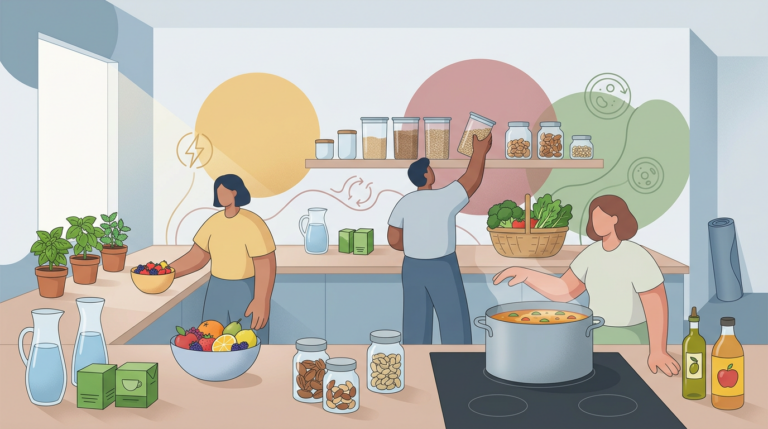
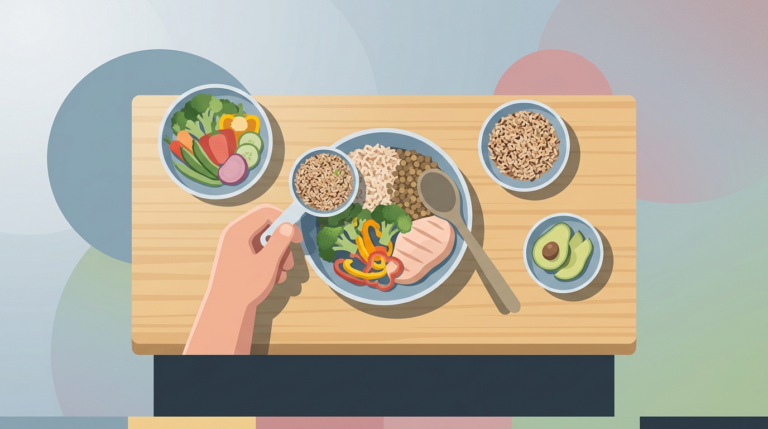
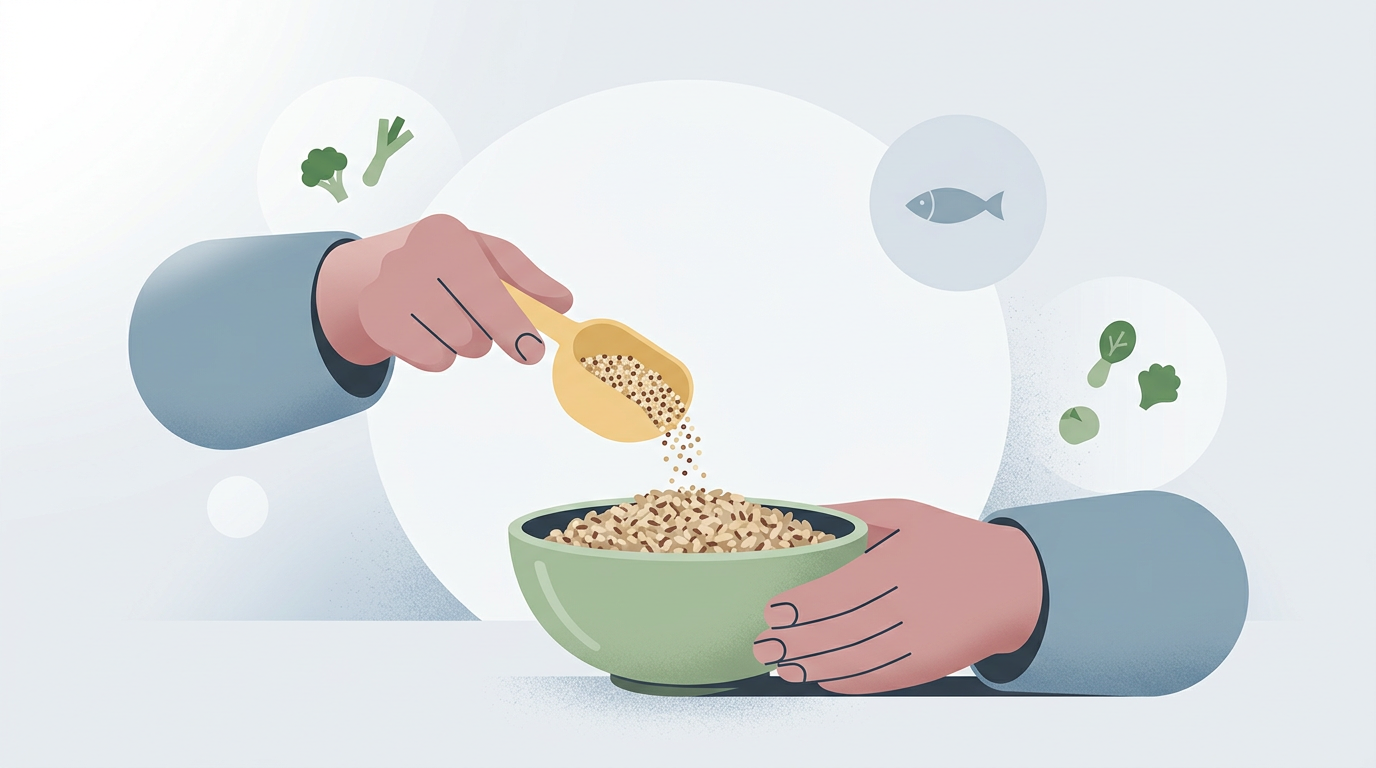
Nutrition plays a crucial role in this regard. You can support your metabolism by choosing a balanced diet rich in unprocessed foods, such as fresh vegetables, fruits, whole grains, and lean proteins. These foods provide the essential nutrients and fiber that allow your digestion and energy metabolism to function efficiently. It is important to understand that nutritional needs change with age, and a conscious adjustment of your eating pattern helps mitigate the effects of aging on your metabolism and maintain your energy levels.
Nutritional advice for stable blood sugar levels
For a stable blood sugar level, which is essential for a healthy metabolism, it is advisable to limit fast sugars and refined carbohydrates. These cause rapid spikes and drops in blood sugar, which can lead to energy dips and, in the long run, affect insulin sensitivity. Instead, opt for complex carbohydrates such as whole-grain bread, oatmeal, and legumes. Combine meals with sufficient protein and healthy fats, which slow down the absorption of carbohydrates and ensure a long-lasting feeling of satiety. This dietary advice helps prevent fluctuations and supports your body in vital aging.
Which sport helps you become physically strong and healthy as you age?
To stay physically strong and age gracefully, a combination of various sports is recommended. This includes activities that improve both your endurance and muscle strength. Regular exercise is one of the scientifically proven factors that contribute to a resilient body and mind. Find a comfortable form of movement that you can easily maintain. This helps maintain muscle mass, bone density, and supports your mental well-being.
Balance between cardio and functional movement
An effective strategy for a long-term fit life is finding a good balance between cardiovascular training and functional movement. Cardio training, such as walking, cycling, or swimming, strengthens your heart and blood vessels, which is crucial for your overall health. Functional exercises, such as strength training with your own body weight or light weights, focus on the muscle groups you use daily. By combining these two elements, you create a balanced training program that helps you stay mobile and meet the challenges of aging with strength and energy.
Why is good sleep very important for your hormone balance?
Uninterrupted sleep is essential for maintaining a balanced hormone balance, which is crucial for healthy aging. During sleep, the body performs restorative functions and regulates the production of various hormones, such as cortisol, melatonin, and growth hormones. A lack of sleep can disrupt this delicate balance, leading to symptoms such as fatigue, mood swings, and reduced resistance. The quality of your sleep directly affects your overall well-being and the body’s ability to function optimally throughout the day. Therefore, adequate and quality sleep is a pillar of your vitality.
Sleep deprivation and hormonal imbalance
Sleep deprivation has a direct impact on hormones involved in stress responses and metabolism. When you don’t get enough rest, cortisol production can remain elevated, which can have adverse effects on your blood sugar levels and immune system in the long term. Additionally, disrupted sleep patterns affect the hormones leptin and ghrelin, which are responsible for regulating appetite and satiety, which can lead to weight fluctuations. It is therefore crucial to consciously work on a consistent sleep schedule and a sleep-friendly environment so that your body has the opportunity to recover and remain hormone-balanced, which contributes to a vital aging process.
How does strength training contribute to a healthy aging process?
Strength training plays a crucial role in maintaining muscle mass and bone density, which is essential for supporting vital aging. As you age, you gradually lose muscle mass, a process known as sarcopenia; estimates of the exact loss vary. Regular strength training can significantly slow down and even reverse this loss, keeping you strong and functional for longer. This helps with performing daily activities and reduces the risk of falls and injuries. Additionally, more muscle mass increases your resting metabolism, contributing to stable weight and better blood sugar regulation, important aspects of a healthy lifestyle later in life.
Strength training and mental well-being
In addition to the physical benefits, strength training also has a positive impact on your mental well-being and cognitive functions. The effort stimulates the production of endorphins, which reduces stress and improves your mood. Furthermore, there is evidence that physical activity, including strength training, can improve brain function and reduce the risk of cognitive decline. By training your muscles, you are not only working on a stronger body, but also on a resilient mind. This combination of physical and mental benefits makes strength training a valuable investment in promoting your overall well-being.
What is the role of proteins in maintaining your muscle mass?
Proteins play a crucial role in maintaining your muscle mass, an aspect that becomes all the more important as you grow older. They are the building blocks of muscles, and adequate intake is essential for muscle recovery and growth. As you approach your forties, your body experiences a natural tendency towards sarcopenia, or age-related muscle loss. By consuming adequate protein, you provide your muscles with the necessary amino acids to counteract this process and maintain your strength and functionality. This way, you live more actively and reduce the risk of falls and injuries. See also more articles about why elderly people fall during the day in sleep and when it is a signal.
Proteins for muscle mass and weight management
In addition to directly supporting muscle tissue, proteins are also important for satiety, which helps with weight management. A healthy weight is an important factor for maintaining muscle mass, as being overweight places extra strain on joints and can reduce motivation for physical activity. Adequate protein intake, combined with strength training, stimulates protein synthesis in the muscles, allowing you not only to maintain existing muscle mass but also to build new muscle. This is a key factor in ensuring your physical independence and quality of life.
How do you recognize the first signs of a changing body?
As you age, you may notice various subtle signs that indicate changes in your body. Often, these are a combination of factors. These may include reduced energy, a changing sleep pattern, or mood swings that you may not have experienced before. Physical changes such as weight gain, especially around the abdomen, or a decrease in muscle strength are also common. Your skin may become drier, and your hair may feel thinner. Sometimes, you may notice changes in your libido or experience hot flashes, which are clear indicators of hormonal shifts affecting your vitality.
Strategies for stress management and meaning
Strategies for stress management and meaning are important when you notice that your body is changing and you want to become more vital. Psychological interventions such as mindfulness and cognitive behavioral therapy can be effective for symptoms where stress plays a role. This involves not only reducing the symptoms but also creating mental resilience to help you cope with the new phase of life. Finding meaningful activities and maintaining social connections also contribute to a positive mindset and help you face this period with confidence. In this way, you work towards a balanced lifestyle that promotes your well-being.
Which supplements fit a vital lifestyle in 2026?
In a healthy lifestyle in 2026, supplements are primarily a supplement to a healthy base of nutrition, movement, and sleep, not a replacement for them. Although a balanced diet provides most of the necessary nutrients, specific supplements can provide support when your body changes, for example during menopause. It is important to emphasize that the effectiveness of many non-hormonal supplements for relieving menopausal symptoms, such as hot flashes, has not been convincingly demonstrated. Therefore, experts advise carefully reviewing the claims and always fulfilling your body’s basic needs before resorting to additional resources. This ensures a sustainable approach to becoming a vital older adult.
Important supplements for vitality
To support a healthy lifestyle, certain micronutrients may be important, especially when deficiencies or increased needs are present. These include vitamin D, which is essential for bone health and immune function, and omega-3 fatty acids, which play a role in heart and brain function. Magnesium can also contribute to muscle function and the nervous system, which is relevant for maintaining energy. Before starting to use supplements, it is advisable to first determine whether there is indeed a deficiency. A conversation with a medical professional can help here, so that you can make informed choices that align with your personal situation and support the journey towards a healthy aging.
Vital aging conclusion
Living a vibrant life is a dynamic process that requires a holistic approach to your physical, mental, and emotional well-being. The hormonal shifts you experience, especially during perimenopause and menopause, significantly impact your energy, sleep, and bone and heart health. By adopting a balanced diet, consistent cardio training, and functional strength training, as well as adequate quality sleep, you lay a strong foundation. These elements support your metabolism and hormone regulation. You have the power to actively contribute to your vitality. Would you like to delve deeper into your personal situation and discover which steps are best for you? IKARIA Clinics are ready with scientifically-based insights and personalized guidance to help you on your journey towards vibrant aging.