Book Appointment Now


What is glp1 and how does it work in your body
Maintaining weight loss and stable blood sugar levels is often difficult to achieve, despite various attempts. You can see below how the body regulates appetite and sugar levels, and what role hormones play in this process. This article explains how GLP-1 works and what role it plays in metabolic health. The article discusses the influence of GLP-1 on satiety, insulin release, and gastric emptying, and what medical options exist to influence these processes. Table of contents
- What is GLP-1 and what role does this hormone play?
- How does a GLP-1 agonist work in your body?
- Why does glp1 medication help with weight loss?
- How does this medication affect your blood sugar level?
- Which organs respond to this hormone therapy?
- How do you combine this medication with a healthy diet?
- What are the long-term effects of GLP-1 medication?
- How do you store and use these injections safely?
- When is glp1 medication medically necessary?
- How do you maintain the results after stopping the treatment?
What is GLP-1 and what role does this hormone play?
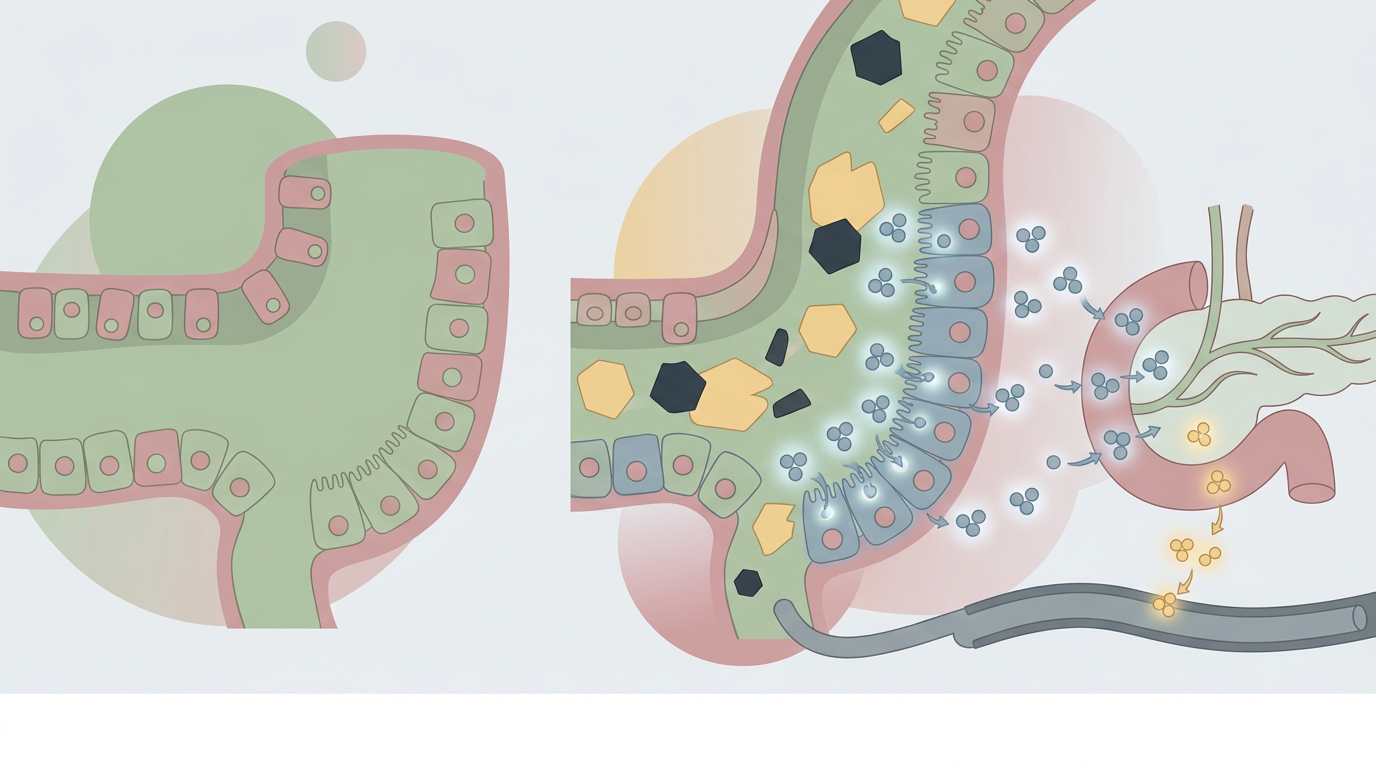
GLP-1 (glucagon-like peptide-1) is a gut hormone that plays an important role in regulating blood glucose and the feeling of satiety. The hormone is produced in the intestines in response to food intake; as soon as food is eaten, GLP-1 is released and begins to work. It signals, among other things, to the pancreas that insulin must be produced, which helps to absorb glucose from the blood. GLP-1 also slows gastric emptying, thereby allowing nutrients to enter the bloodstream more gradually and the feeling of satiety to persist longer. Together, these effects contribute to the balanced regulation of metabolic processes.
The effects of GLP-1 on glucose metabolism
The effects of GLP-1 on glucose metabolism are multifaceted and crucial for maintaining a stable blood sugar level. In addition to stimulating insulin production, GLP-1 also suppresses the release of glucagon. Glucagon is a hormone that triggers the liver to release stored glucose, which actually increases blood sugar. By inhibiting glucagon, GLP-1 prevents unnecessary increases in blood sugar, especially after a meal. By stimulating both insulin and inhibiting glucagon, GLP-1 helps lower blood glucose levels. This mechanism is of great importance for a healthy metabolic balance.
How does a GLP-1 agonist work in your body?
This hormone plays a crucial role in regulating blood sugar levels and the feeling of satiety. When you eat, GLP-1 is released and stimulates the pancreas to secrete insulin, which promotes the uptake of glucose from the bloodstream. At the same time, it suppresses the release of glucagon, a hormone that actually increases blood sugar levels. GLP-1 also slows gastric emptying, allowing food to remain in the stomach longer and prolonging the feeling of satiety. Together, these effects ensure a more stable blood glucose level and can reduce the feeling of hunger, which can contribute to weight loss.
Comparison with natural GLP-1 hormones
The action of a GLP-1 agonist is based on activating the same receptors as the natural GLP-1 hormone, but with a longer duration of action. Where the natural hormone is quickly broken down in the body, the GLP-1 medication is designed to remain active for longer. The slowing of stomach emptying and the influence on the satiety center in the brain are also longer-lasting. These properties make GLP-1 agonists suitable for the treatment of type 2 diabetes and can provide support for weight loss through reduced hunger and a lower energy intake.
Why does glp1 medication help with weight loss?
GLP-1 medications can support weight loss by regulating appetite and enhancing the feeling of satiety. These medications mimic the action of the natural hormone GLP-1, which is released in the intestines after eating. It signals to the brain that you have eaten enough, making you less hungry and feeling fuller for longer. This effect contributes to reduced calorie intake, which is fundamental for weight loss. Because GLP-1 causes the stomach to empty more slowly, you experience a longer feeling of fullness, and food intake at the next meal is often lower. This mechanism can be valuable for those struggling with controlling appetite.
Mechanisms for more stable blood sugar levels
In addition to its influence on appetite, GLP-1 medication also plays a role in stabilizing blood sugar levels, which can indirectly promote weight loss. GLP-1 stimulates the pancreas to release more insulin at higher blood glucose levels. At the same time, it inhibits the release of glucagon, the hormone that normally increases blood glucose levels. This helps prevent fluctuations in blood sugar levels, which is often associated with cravings for food and energy loss. A more stable blood glucose level can help reduce cravings and snacking, and thus support efforts to lose weight.
How does this medication affect your blood sugar level?
A GLP1 agonist, a medication that mimics the action of the endogenous hormone GLP1, plays a crucial role in regulating your blood sugar levels. These medications stimulate the pancreas to release more insulin when blood sugar is high, for example after a meal. At the same time, they inhibit the production of glucagon, a signaling substance that actually causes blood sugar levels to rise. By increasing insulin and inhibiting glucagon, glucose levels will be less volatile. This can contribute to less large fluctuations in energy levels in some people with metabolic disorders.
Reduction of appetite and weight control
In addition to its direct effect on blood sugar, a GLP1 agonist also has an important influence on appetite and, therefore, on weight management. The hormone slows down gastric emptying, which results in a longer feeling of fullness after eating. This leads to consuming fewer calories, as you experience less hunger and smaller portions are sufficient. Moreover, it affects the brain regions involved in satiety and reward, which helps reduce the desire for unhealthy foods. Through these combined effects, a GLP1 agonist can be a valuable tool in achieving and maintaining a healthy weight.
Which organs respond to this hormone therapy?
The effects of GLP-1 medication extend beyond the pancreas alone. Various organs in the digestive system and beyond experience the influence of this therapy. For example, the stomach reacts by slowing down digestion, which contributes to a longer feeling of satiety after eating. The brain also plays a role; it receives signals that regulate appetite and reduce hunger feelings. This broad range helps explain why GLP-1 agonists can be effective in metabolic disorders.
Complex interplay for sustainable weight loss
This interplay of organs is crucial for sustainable weight loss and stable blood sugar regulation. In addition to the stomach and the brain, glp1 also affects the intestines, where it stimulates the production of its own GLP-1. Moreover, it has a beneficial effect on the liver by reducing glucose production, further contributing to controlling blood sugar levels. The coordinated response of various systems makes GLP‑1 relevant in the treatment of overweight and metabolic disorders, as it supports natural processes.
How do you combine this medication with a healthy diet?
In addition to the direct effects on blood sugar and weight, a glp1 medication also has broader implications for your overall metabolic health. Its effect extends beyond just blood sugar regulation. The medication can contribute to reducing inflammatory responses, which may have beneficial effects on vascular health. Research is ongoing into potential benefits for heart health, which is relevant in metabolic disorders. These aspects make the use of this medication relevant for an integrated approach to well-being.
Specific protection for kidneys and liver
One potential benefit of GLP-1 therapy involves protective effects on organs such as the kidneys and liver, which are the subject of ongoing research. For people with type 2 diabetes, kidney damage is a common complication. Some studies suggest that GLP-1 agonists may have the potential to influence the progression of kidney disease, but the results are variable and additional confirmatory evidence is still needed. There is evidence that improving glycemic control and weight loss can be beneficial for the liver; however, the extent and consistency of the direct effects of GLP-1 medication on liver outcomes vary between studies. This underscores the multifaceted positive effects of GLP-1 medication.
What are the long-term effects of GLP-1 medication?
Long-term use of GLP-1 medication shows promising results in conditions such as obesity and can improve metabolic health. Research indicates that consistent use is associated with more stable blood glucose levels, a potential reduction in cardiovascular risk factors, and weight loss in many users. This improves your quality of life and reduces the risk of complications associated with these conditions. Although individual experiences may vary, many users often report improvements in daily functioning and energy levels. This is an approach that goes beyond simply symptom management and focuses on fundamental changes in metabolism.

Need for medical evaluation
Although long-term benefits are described, medical evaluation and guidance remain necessary. Before initiating GLP-1 therapy, a thorough assessment by a physician is necessary to determine whether this therapy is appropriate for the specific situation and the person’s health profile. Regular monitoring is required during the use of this medication to monitor effectiveness and promptly detect and address any side effects. An expert medical professional can provide guidance in finding the correct dosage and recommend additional lifestyle modifications, which contributes to a safe and successful treatment. More information can be found on nve.nl about endocrinology, the medical specialty that deals with hormones and metabolism.
How do you store and use these injections safely?
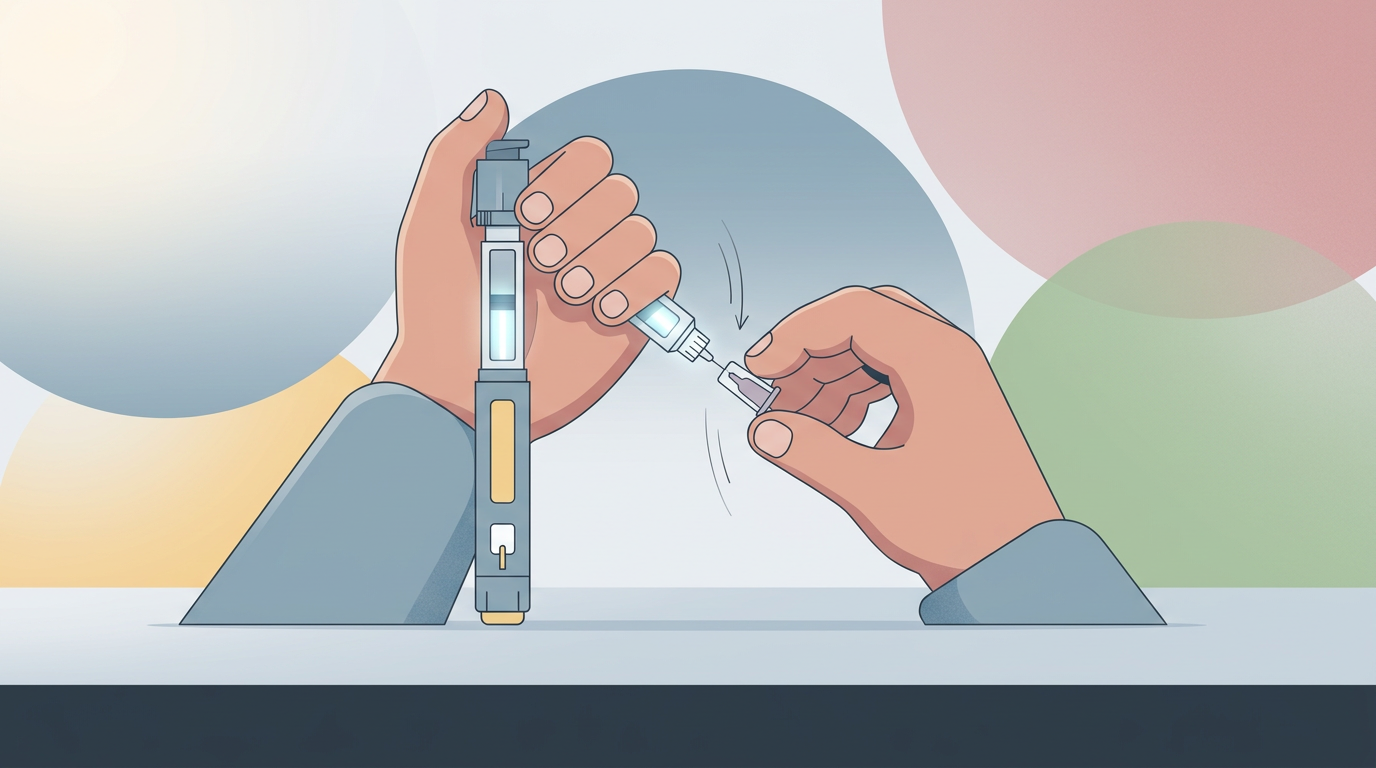
Safe use of glp1 injections requires accuracy and attention to the prescriber's instructions. You should generally store these products unopened in the refrigerator at a temperature between 2°C and 8°C. After opening the pen, it is often allowed to be stored at room temperature, but the shelf life is limited; consult the package insert for the exact shelf life. Check the expiration date; do not use the product if it is cloudy or contains particles. Rotate injection sites (abdomen, thigh, upper arm) to reduce local irritation.
Hygiene and handling of missed doses
A crucial step in the use of glp1 injections is good hygiene. Wash your hands with soap and water before preparing the injection. Clean the injection site with an alcohol swab and let the skin dry before injecting. This minimizes the risk of infections. Should you forget a dose, always consult the package leaflet or your doctor. Follow the package leaflet or your prescriber; often the rule is: if you receive the reminder shortly after the missed time, take the missed dose; otherwise, skip it and continue according to the schedule. Never double a dose to compensate for a missed injection.
When is glp1 medication medically necessary?
You consider GLP1 medication when other treatments for type 2 diabetes or obesity have not yielded sufficient results and there are specific medical criteria. This type of treatment is suitable for people with a Body Mass Index (BMI) indicating obesity, or for overweight in combination with related health conditions such as type 2 diabetes, high blood pressure or elevated cholesterol. A doctor assesses the overall medical situation and weighs the expected benefits against possible risks. GLP-1 medication works in addition to lifestyle modifications such as diet and exercise.
Medical evaluation for GLP-1 treatment
Before prescribing GLP1 medication, a thorough medical evaluation is necessary. This evaluation includes a review of your complete medical history and a discussion about your lifestyle habits. The doctor will determine whether this treatment is appropriate for your specific situation, taking into account any other conditions or medications you may be using. The decision to prescribe GLP1 medication is therefore a well-considered step that fits within a broader treatment plan aimed at improving your health and well-being in the long term, with a focus on a sustainable approach.
How do you maintain the results after stopping the treatment?
After completing treatment with glp1, it is important to maintain the progress achieved. Continue to work on the lifestyle changes that were established during the treatment. The medication supports you in adopting healthier habits, but actually integrating these habits into your daily routine is crucial for long-term success. Focus on maintaining a balanced diet and regular physical activity, as these foundations remain the pillars of healthy metabolism and stable weight. It is not a matter of relapsing into old patterns, but of maintaining the new positive behaviors you have developed.
Strategies for sustainable weight management
To make the achieved results sustainable, it is advisable to continue actively working on your well-being. This means, among other things, monitoring your nutritional intake and weight, and seeking support when needed. Think of nutritional advice to further optimize your eating habits, or a training schedule that suits your fitness level and preferences. Additionally, stress management plays a major role, as stress can affect hormones that regulate appetite and weight. By combining these strategies, you create a solid foundation for lasting health and prevent a relapse after you stop using glp1.
Conclusion glp1
You have now gained a deep understanding of the complex workings of glp1 and how glp1 agonists can play an important role in improving your metabolic health. It is clear that this natural hormone, and the medication that mimics it, not only stabilizes blood sugar levels but also contributes to weight loss by reducing appetite and promoting satiety. This therapy also offers broader benefits, such as the protection of vital organs. If you struggle with metabolic complaints or persistent weight loss and you are wondering whether a glp1 treatment is appropriate for your situation, it is essential to seek medical advice.