Book Appointment Now


What is perimenopause and what symptoms can you expect?
Many women experience unexplained changes in their bodies around the age of forty and fifty. Sudden hot flushes, irregular periods or mood swings can have a major impact on daily life. These signs are often the first indicators of perimenopause, a phase preceding the menopause and characterised by fluctuating hormone levels. It is a period of significant adjustments, during which insight into the hormonal processes and potential symptoms is essential for a sense of control. Understanding precisely what happens during perimenopause, how long this phase can last and what options are available to alleviate symptoms can make all the difference. Discover how you can approach this transitional phase with greater knowledge and confidence.
Table of contents

What is the perimenopause and by which characteristics can you recognise it?
Perimenopause is the transitional period leading up to menopause, a natural biological change in every woman's life. During this period, hormone levels, particularly oestrogen, begin to fluctuate and eventually decline. This can lead to various physical and emotional changes. Recognising perimenopause is sometimes difficult, as the symptoms vary from subtle to very pronounced and, moreover, differ per individual. Your menstrual cycle may become more irregular, which is one of the most common indicators that perimenopause has begun.
The biological definition of menopause
It is important to understand that the menopause itself is only officially diagnosed when there has been no period for twelve consecutive months. Perimenopause is therefore the period leading up to this and can last for years. The fluctuations in hormones cause a wide range of symptoms, such as hot flushes, night sweats, mood swings and sleep problems. Some women experience only mild symptoms, whilst others suffer considerable hindrance, with the frequency and intensity varying greatly, from a few times a month to several times an hour. To properly understand your own situation, it is essential to recognise these changes and discuss them with a healthcare professional.
Hormonal changes during this phase
During perimenopause, significant hormonal shifts take place that can trigger a range of physical reactions. The most recognised of these are hot flushes, which manifest as sudden rushes of heat. During these, you may notice that your face, neck or chest becomes red, you begin to sweat and your heart may beat faster. Sometimes chills can also occur. A hot flush usually lasts for 3 to 5 minutes, but can sometimes persist longer, for instance half an hour. These changes are a direct consequence of fluctuating hormone levels in your body, primarily oestrogen. IKARIA Clinics understands that these phenomena can have an impact on your daily life, both during the day and at night, which can affect sleep quality and lead to fatigue or low mood.
Factors influencing the starting age
The duration of these hormonal shifts and the associated hot flushes varies greatly from person to person. On average, hot flushes usually last 3 to 7 years, but this is a guide and not a hard-and-fast rule. This period is characteristic of perimenopause, during which your body gradually adapts to a lower oestrogen production. The hormone estradiol plays a crucial role in reducing hot flushes. Estradiol can slightly increase the risk of womb cancer; therefore, it is often combined with a progestogen, which protects against this risk. It is important to realise that these hormonal processes are a natural part of the life cycle, and that there are options to alleviate the discomfort.
What is the difference between the perimenopause and the menopause?
The menopause transition is a broad concept that encompasses the period in which the body prepares for the end of its fertile years. Often, the term menopause is used to refer to this entire period, but strictly speaking, the menopause is just a single moment: the final menstrual period. The period before this specific moment is called the perimenopause, during which the body changes gradually and symptoms may already occur. It is a dynamic time in which hormone levels fluctuate irregularly, leading to a wide range of possible symptoms. It is important to understand these nuances so that it is clear which phase one is in and what changes can be expected.
Changes in FSH and LH levels
During perimenopause, oestrogen and progesterone levels begin to fluctuate, which has a direct impact on the menstrual cycle. Periods can become more irregular, lighter or heavier than before. These hormonal changes can also lead to typical menopausal symptoms such as hot flushes, night sweats and mood swings. hot flushes, night sweats. These symptoms are a sign that the ovaries are becoming less responsive and the hormonal balance in the body is shifting. It is a natural transition that everyone experiences in their own way, and the intensity and duration of these phenomena can vary greatly from person to person.
Around what age does this transitional phase begin?
The menopause transition is a natural stage of life for women, but the starting age of perimenopause, the period preceding final menopause, can vary greatly. Although there is no fixed age at which this process begins, most women experience the first changes somewhere between their forties and fifties. This period is characterised by hormonal fluctuations, particularly in oestrogen and progesterone levels, which can bring about various physical and emotional symptoms. It is a gradual process that does not happen overnight, and its duration varies from person to person.
Impact of anovulatory cycles on progesterone
One of the most characteristic phenomena of the perimenopause are hot flushes, which usually last for three to seven years Hot flushes generally last for 3 to 7 years. These hot flushes can vary in frequency, from a few times a month to several times an hour, and typically last between three and five minutes, sometimes even longer. In addition to hot flushes, women may also experience night sweats, which negatively affect sleep quality and can lead to fatigue or low mood. Hormone therapy, often using estradiol, can help reduce these symptoms. Estradiol is then combined with a progestogen, such as dydrogesterone, to reduce the risk of uterine cancer.
How do you recognise the first signs?
The early stage of perimenopause can manifest as various subtle signs that you might not immediately link to this transitional period. For example, your heart may beat faster, your face, neck or chest may become flushed, and you can suddenly start sweating. A hot flush, a common phenomenon, usually lasts 3 to 5 minutes, although it can sometimes last up to half an hour.
These hot flushes can also occur at night, causing you to sleep poorly and feel tired or gloomy during the day. Some women experience only a few of these moments a month, while others have a few per hour, which can make the impact on daily life significant. Perimenopause is a unique journey for every woman, and recognising these signs can help you better understand what is happening in your body.
Variations in menstrual patterns
Variations in menstrual patterns are one of the most recognisable early indicators of perimenopause. Your periods may become more irregular, with cycle length changing or the intensity of the bleeding varying. Sometimes periods become heavier, whilst at other times they can be lighter or even absent for a few months before returning. This unpredictability is a direct result of fluctuating hormone levels, something that is typical of perimenopause. It is important to notice these changes, as they can be an early sign that your body is preparing for the next phase of life. Understanding these patterns can help in anticipating and coping with the broader effects of this transition.

Why do oestrogen and progesterone levels fluctuate?
The hormonal balance of the female body is a complex interplay that undergoes significant fluctuations during perimenopause. The fluctuations in oestrogen and progesterone levels are a direct result of declining ovarian function. These organs produce decreasing amounts of these hormones, leading to an irregular cycle and ultimately the cessation of menstruation. This gradual decline is a natural part of the ageing process and marks the transition to a new phase of life. It is important to understand that these processes do not happen overnight, but span a longer period, resulting in varying intensity and diverse symptoms.
The impact of oestrogen on neurotransmitters
The erratic drop in oestrogen has specific consequences for the neurotransmitters in your brain and is the cause of many psychological symptoms that you may experience during perimenopause. Oestrogen affects the production and balance of substances such as serotonin and dopamine, which play an important role in your mood, sleep and energy levels. When oestrogen levels drop unpredictably, this can disrupt the delicate balance of these neurotransmitters. This can lead to mood swings, irritability, feelings of anxiety and sleep problems, which adds an extra layer of complexity to the physical changes you go through during perimenopause.
Most common perimenopause symptoms
During perimenopause, many women experience various common symptoms, which vary in intensity and how often they occur. One of the most recognisable signs are hot flushes, characterised by sudden rushes of heat that spread across the face, neck and chest. These hot flushes can be accompanied by flushing, sweating and a rapid heartbeat, and can last from a few minutes to sometimes even half an hour. They can occur both during the day and at night, with night sweats significantly affecting sleep quality and leading to fatigue and low mood.
Subtle cyclic shifts as an indicator
Besides hot flushes, there are also subtler, cyclical shifts that can indicate perimenopause. Think of changes in the menstrual cycle, such as a more irregular pattern, heavier or lighter bleeding, or an abnormal duration of the period. These changes are a direct reflection of fluctuating hormone levels, with the decline in oestrogen playing a particular role. It is important to understand that these signs are normal for this stage of life and are part of a natural process. Recognising these patterns can help in coping with this transitional period and in seeking appropriate support when needed. IKARIA Clinics offers reliable, scientifically substantiated information on this.
How long does perimenopause last on average?
Perimenopause, the run-up to the menopause, has no fixed duration and the experience varies greatly from person to person. Although the term ‘average’ is often used, this implies a standard that rarely occurs in practice. The intensity of symptoms such as hot flushes can also vary. This means that you do not have to assume a set period, but that you can focus on recognising the signals your body is sending. Perimenopause is a unique journey for every woman, with her own beginning and her own end.
Genetic predisposition and age of onset
The duration of perimenopause is partly influenced by genetic predisposition, although the starting age also plays a role. Although the onset of perimenopause typically occurs between the ages of forty and fifty, this is not a strict rule. If, for example, your mother or sisters entered perimenopause early or late, this can be an indication of your own journey. However, it is important to remember that this is only a potential clue and not a guarantee. Various factors, such as lifestyle, can also influence the duration and course of perimenopause.
The role of a perimenopause professional
A medical professional can support and advise you during perimenopause regarding the various symptoms you experience. This includes a thorough analysis of your symptoms, such as hot flushes lasting 3 to 5 minutes and sometimes longer, up to half an hour, or night sweats that disrupt sleep hot flushes are heat attacks. Based on this, an expert can draw up a treatment plan, considering various options. This may include lifestyle advice, such as adjusting your diet and exercise patterns, as well as medicinal support if necessary. The aim is always to improve your quality of life and make the perimenopause as comfortable as possible.
Limitations of blood tests for diagnosis
When considering hormone replacement therapy for hot flushes, a doctor can inform you about the available methods. For example, you can choose pills, or estradiol in patches, gels or sprays, often combined with a progestogen to protect the womb protects against womb cancer. A medical expert will discuss the pros and cons of each option with you, taking into account your personal health situation and preferences. It is important to know that hormones only start working after 2 or 3 weeks, and that you can expect to suffer much less from hot flushes after 3 months. Regular monitoring, at least once a year, is essential to keep an eye on the medication and your symptoms and to make any necessary adjustments.
How do you prepare yourself for the next stage of life?
The transition to the perimenopause is a significant phase in a woman's life, characterised by a range of physical and emotional adjustments. Effective preparation involves acquiring knowledge about the hormonal shifts that take place and the potential impact of these on your wellbeing. By being proactive and delving into the perimenopause, you can better anticipate symptoms, such as mood swings or sleep problems, and develop strategies to manage them.
It is crucial to realise that this phase is a natural part of ageing and that you are not in this alone. By being open about your experiences and seeking the right information, you lay a solid foundation for a comfortable transition.
The value of a holistic approach
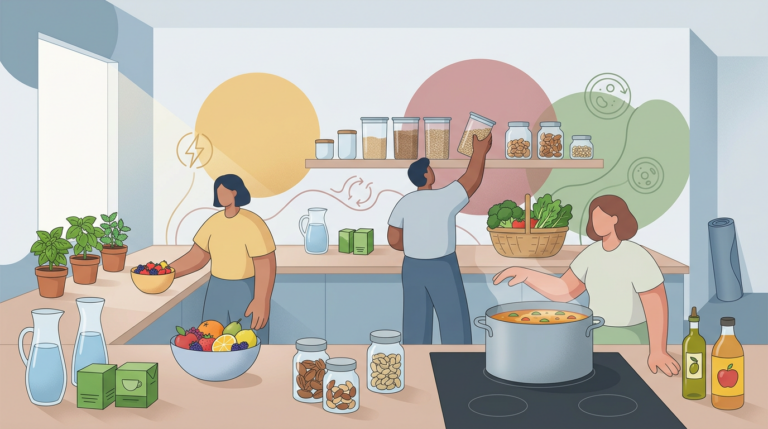
For a smooth transition during perimenopause, a holistic approach is essential. This means looking not only at the medical aspects, but also at your lifestyle, nutrition and mental wellbeing. This includes adapting your diet to support hormonal balance, incorporating regular physical exercise and finding effective stress management techniques, such as mindfulness. Combining these elements with professional advice on perimenopause can help you become more resilient and face the challenges of this period with greater confidence. This broad perspective contributes to an overall sense of wellbeing and vitality.

Perimenopause conclusion
Perimenopause is a complex yet natural phase in which your body prepares for the menopause, characterised by fluctuating hormone levels and a range of symptoms such as hot flushes and changes to your periods. Understanding this transition, which can last for years and varies from woman to woman, is crucial for your well-being. Menopause is only diagnosed after twelve months without a period, but perimenopause will have been underway for a long time by then. With the right knowledge and, if appropriate, hormonal support such as estradiol with progestogen, you can significantly alleviate your symptoms. Do you feel overwhelmed by the signs of perimenopause? IKARIA Clinics is happy to help you with reliable information and medically sound guidance, enabling you to make informed choices for your health and vitality.